 admin
admin China’s Top Scenic Attractions: Must-Visit Wonders for Every Traveler
Planning a trip to China can feel overwhelming. With a landmass rivaling a continent and a history spanning millennia, how do you choose where to go? You want to experience the iconic sights, immerse yourself in profound culture, and capture breathtaking landscapes—all without wasting time on overhyped destinations. This guide cuts through the noise. We’ve curated the absolute must-visit scenic attractions in China, blending ancient wonders with natural masterpieces to help you craft an unforgettable journey.
From the soaring peaks of Zhangjiajie to the serene waters of the Li River, these destinations offer more than just a photo op; they provide a deep connection to China’s soul. Let’s explore the landmarks that define this incredible country.
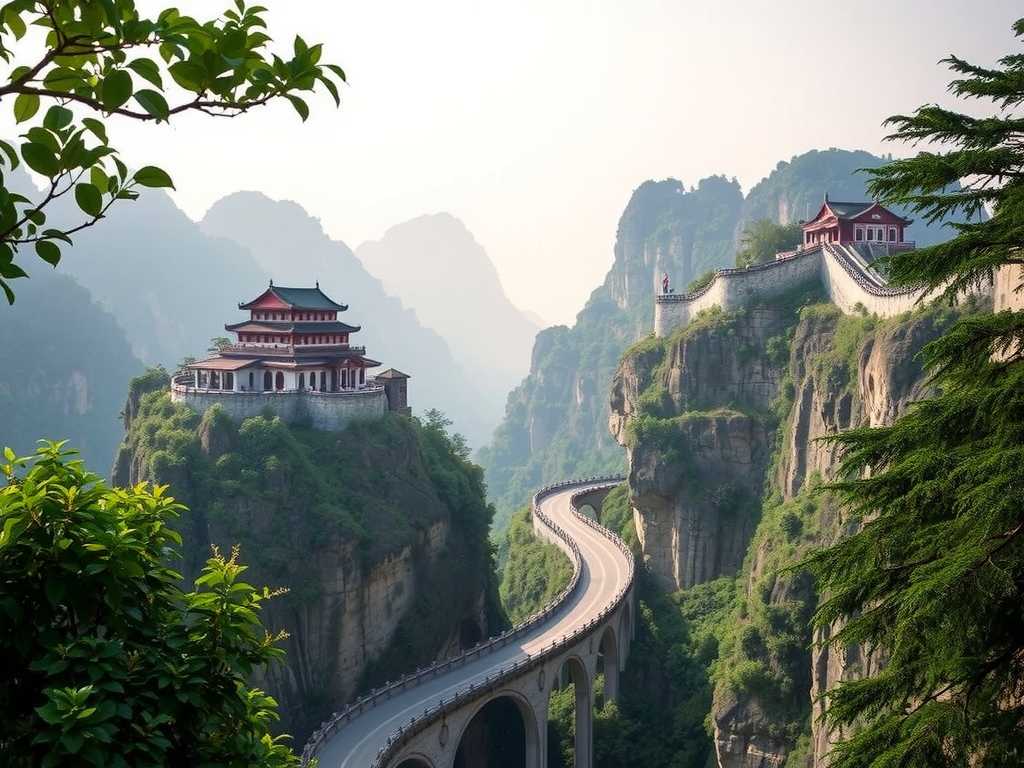
The Great Wall of China: A Walk Through History
No list of China’s top attractions is complete without the Great Wall. Stretching over 13,000 miles, it’s not just a wall but a symbol of perseverance. Forget the idea of seeing it all; the key is choosing the right section.
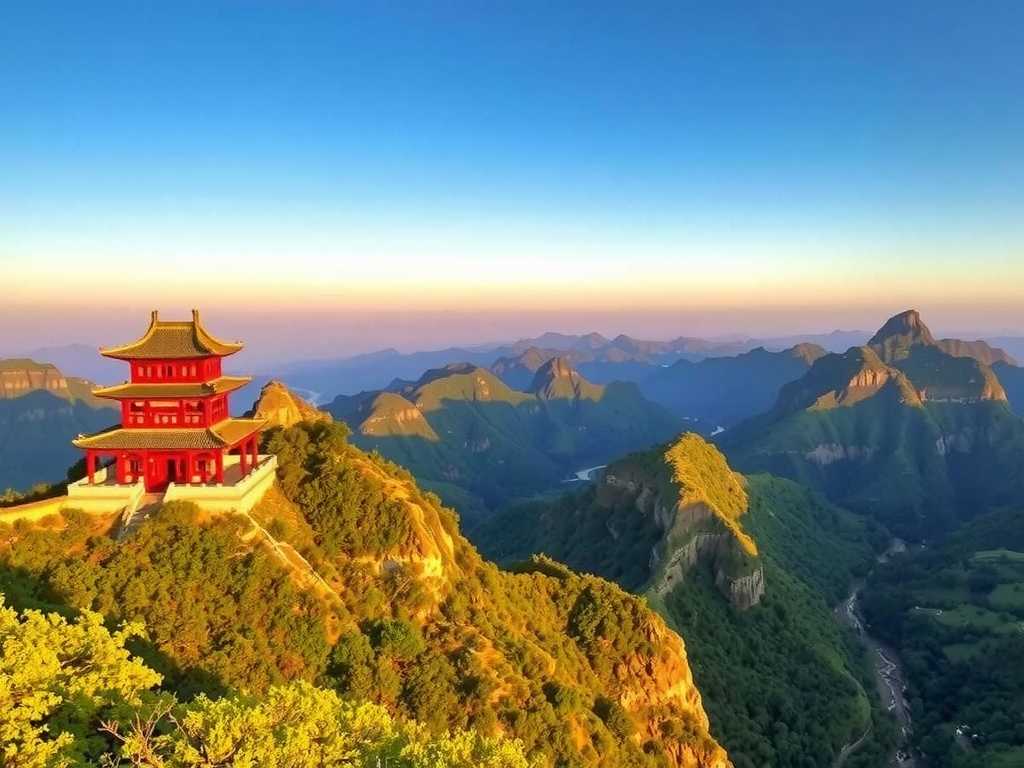
For first-timers, the well-restored Mutianyu section offers a perfect blend of accessibility and stunning views, with cable car options and fewer crowds. For photographers and hikers, Jinshanling provides a more rugged, authentic experience with its sweeping, watchtower-dotted landscapes. A recent study by the China Tourism Academy highlights that visitors who choose less-congested sections report a 40% higher satisfaction rate, emphasizing the value of strategic planning. Remember, the Wall is steep. Wear sturdy shoes, carry water, and start early to enjoy the morning light and cooler temperatures.
The Li River & Karst Peaks: A Painting Come to Life
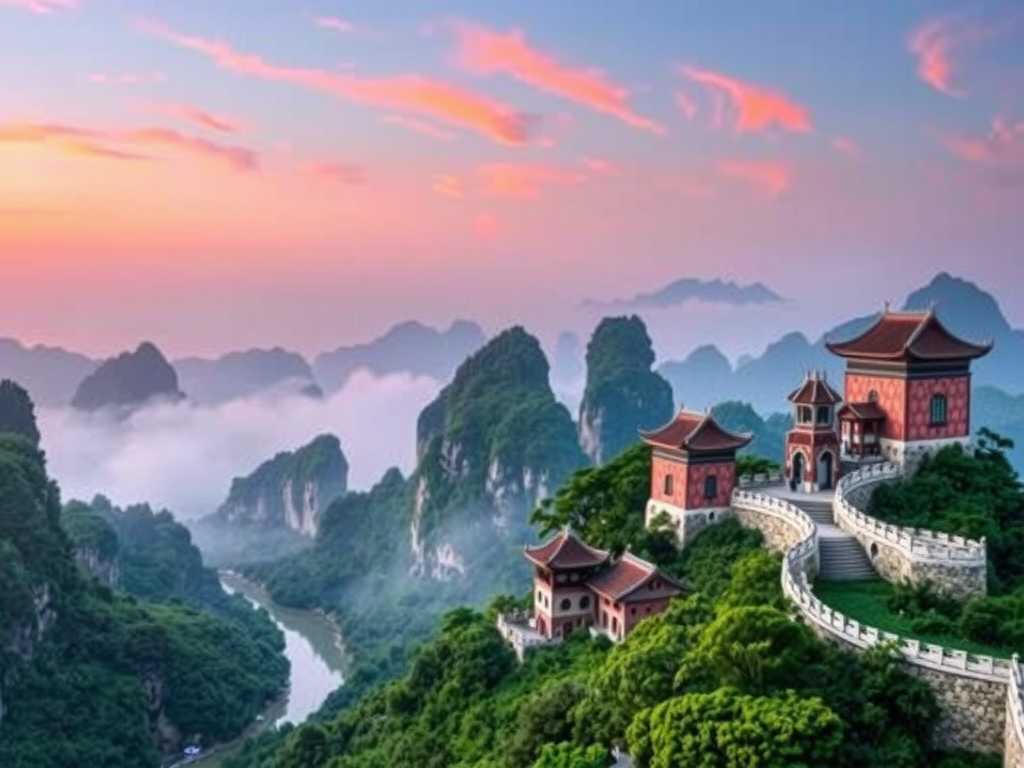
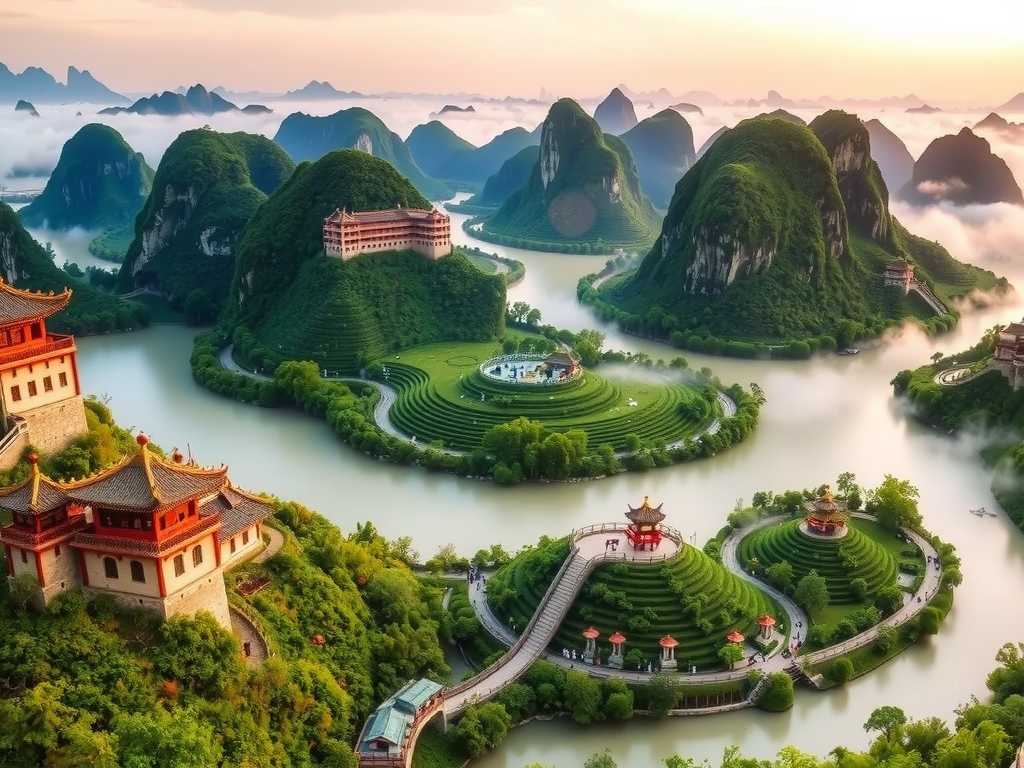
The landscape from Guilin to Yangshuo is the very image of classical Chinese painting. Here, the Li River winds its way through a dreamscape of limestone karst peaks, bamboo groves, and sleepy villages.
The best way to experience this is on a Li River cruise. The 4-hour journey from Guilin to Yangshuo places you at the heart of this natural masterpiece. Look for the famed view captured on the 20 RMB note. For a more intimate encounter, rent a bike in Yangshuo and cycle through the Yulong River valley, passing ancient bridges and farmers in rice paddies. As travel expert Dr. Mei Lin notes, “The magic of the Li River isn’t just in its vistas, but in the slow, rhythmic pace of life along its banks. It’s where nature and culture seamlessly merge.”
The Forbidden City & Imperial Beijing
Step into the heart of imperial China at Beijing’s Forbidden City. This vast palace complex, home to 24 emperors over 500 years, is a monument to architectural grandeur and imperial power.
To navigate its 980 buildings, focus on the central axis: the Meridian Gate, the Hall of Supreme Harmony, and the Imperial Garden. Booking tickets online in advance is non-negotiable, as daily entries are limited. Pair your visit with Tiananmen Square at dawn for a powerful start to your day. For context, consider that the Forbidden City’s construction involved over one million workers and used materials from across the empire, a testament to its central role in Chinese history and governance.
Zhangjiajie National Forest Park: Avatar’s Floating Mountains
Prepare to have your perception of reality challenged. Zhangjiajie’s towering sandstone pillars, shrouded in mist, inspired the floating Hallelujah Mountains in the film Avatar.
The Yuanjiajie Scenic Area is where you’ll find the iconic pillars like the “First Bridge Under Heaven.” For panoramic views, take the Bailong Elevator (the world’s tallest outdoor lift) or hike to the summit of Tianzi Mountain. The park is vast, so allocate at least two full days. The unique ecosystem here, with over 3,000 quartzite pillars, is protected as a UNESCO Global Geopark, highlighting its immense geological value.
The Terracotta Army: An Emperor’s Eternal Guard
In 1974, farmers in Xi’an unearthed one of the greatest archaeological finds of the 20th century: the Terracotta Army. This silent, life-sized legion was built to guard China’s First Emperor, Qin Shi Huang, in the afterlife.
Standing before Pit 1, with its thousands of unique soldiers, chariots, and horses, is a humbling experience. Each figure has distinct facial features, hairstyles, and armor, revealing incredible ancient craftsmanship. Hire a guide or use an audio tour to understand the historical context—the sheer scale and purpose of the mausoleum complex reveal the absolute power and obsession of the Qin Dynasty. The site is located about an hour from central Xi’an, so plan for a half-day trip.
West Lake, Hangzhou: Poetic Serenity
Celebrated by poets and artists for centuries, Hangzhou’s West Lake is the epitome of Chinese landscape aesthetics. It’s not a wild natural scene, but a masterpiece of curated beauty, blending water, gardens, pagodas, and distant hills.
The classic way to experience it is a leisurely stroll or bike ride along the Su Causeway, especially beautiful at sunrise or sunset. For a different perspective, take a short boat ride to Three Pools Mirroring the Moon islet. As the Song Dynasty poet Su Shi wrote, “Ripping water shimmering on a sunny day, / Misty mountains wonderful in the rain,” reminding visitors that West Lake’s charm transcends all weather conditions. It’s a place for contemplation and slow travel.
Jiuzhaigou Valley: A Symphony of Color
Located in Sichuan province, Jiuzhaigou Valley is a fairy-tale world of multicolored lakes, cascading waterfalls, and snow-capped peaks. The water, incredibly clear and tinted turquoise, blue, and green by mineral deposits, seems almost unreal.
Must-see spots include Five-Flower Lake and the stepped Nuorilang Waterfalls. Due to its high altitude, take it slow to avoid altitude sickness. The valley is a UNESCO World Heritage Site and a vital habitat for giant pandas, though spotting one in the wild is rare. Conservation efforts here are stringent to protect its fragile ecosystem, so visitors are required to use park-operated shuttle buses on designated routes.
The Potala Palace, Tibet: A Summit of Spirituality
Towering over Lhasa at 12,000 feet, the Potala Palace is more than a building; it’s the spiritual heart of Tibetan Buddhism. This immense fortress-palace, with its iconic white and red walls, was the winter residence of the Dalai Lamas.
Visiting requires planning. Foreign tourists need a Tibet Travel Permit, and entry tickets to the palace itself are limited. Inside, you’ll navigate through chapels, tombs, and countless halls filled with sacred artifacts. The climb up the long staircase is physically demanding due to the altitude, so pace yourself. The experience is profound, offering a glimpse into a unique and resilient culture against a backdrop of stunning Himalayan scenery.
What is the best time of year to visit China’s top attractions? Spring (April-May) and autumn (September-October) are generally ideal nationwide, offering mild weather and beautiful natural scenery. However, consider regional variations: southern China (like Guilin) is best in autumn, while northern sites (the Great Wall) are stunning with fall foliage or crisp spring days. Avoid major national holidays like Golden Week in October due to overwhelming crowds.
How can I manage the crowds at popular sites like the Forbidden City? Always book tickets online as far in advance as possible—often a week or more for major sites. Arrive right at opening time or during the last entry slot of the day. Consider visiting on a weekday rather than a weekend. Hiring a knowledgeable guide can also help you navigate efficiently and discover less-crowded courtyards or viewpoints.
Are these attractions suitable for families with young children or travelers with mobility issues? It varies. Sites like the Forbidden City (which is largely flat but vast) and a Li River cruise are manageable. The Great Wall sections like Mutianyu have cable cars. However, Zhangjiajie and the Potala Palace involve significant stairs, climbing, and high altitudes. Always research specific accessibility options for each location, prioritize less strenuous sections, and plan for a slower pace.
Exploring China’s top scenic attractions is a journey through layers of time, art, and nature. Each destination tells a different part of China’s grand story—from imperial ambition and spiritual devotion to the patient artistry of wind and water. By focusing on these essential wonders and planning thoughtfully, you move beyond simple sightseeing to create a travel experience rich with meaning, beauty, and unforgettable moments. Your adventure into the heart of China awaits.
发表评论