 admin
admin Discover China’s Scenic Beauty & Heritage: Your Ultimate Guide to an Unforgettable Journey
Planning a trip to China can feel overwhelming. With a landmass rivaling a continent and a history spanning millennia, where do you even begin? You dream of witnessing breathtaking landscapes and walking through ancient stories, but the sheer scale of options leads to confusion and the fear of missing out on the true essence of the country. This guide is designed to cut through the clutter. We’ll navigate China’s unparalleled scenic beauty and heritage, transforming your planning from a daunting task into an exciting roadmap for an authentic and deeply rewarding experience.
Understanding China’s Geographic and Cultural Tapestry
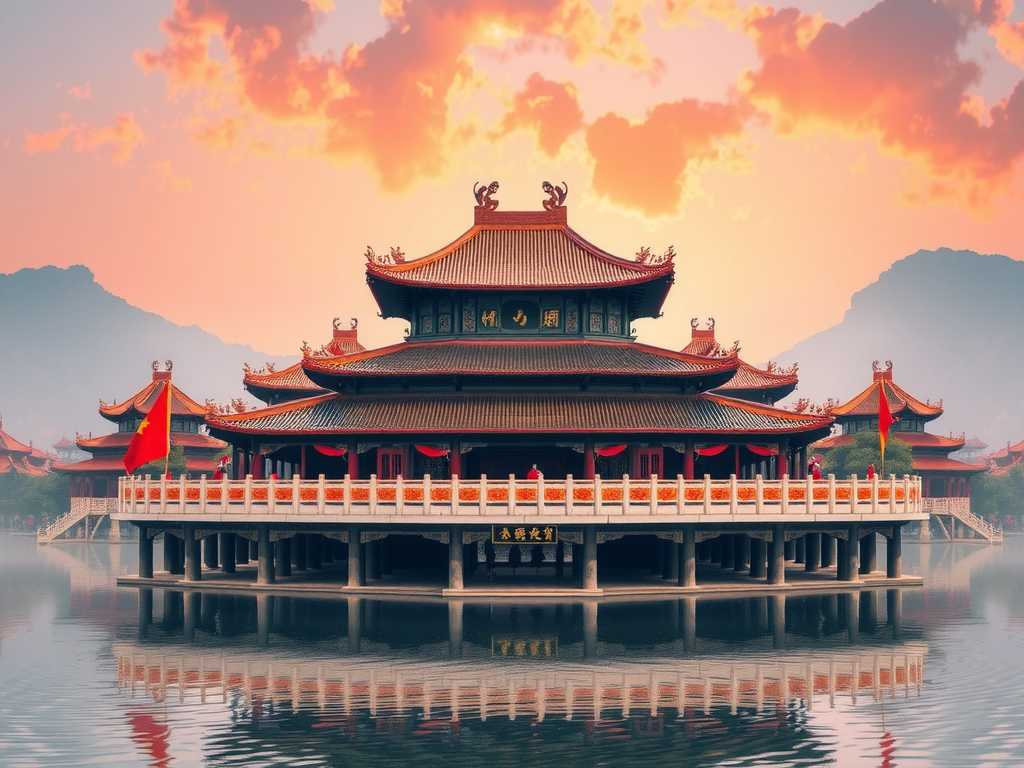
To truly appreciate China, one must first understand its vast and varied canvas. The country’s physical grandeur is the stage upon which its rich heritage was built. From the towering peaks of the Himalayas to the sweeping grasslands of Inner Mongolia, and from the karst limestone riverscapes of the south to the stark deserts of the west, the geography is dramatically diverse. This diversity directly shaped regional cultures, architectural styles, culinary traditions, and historical narratives. As noted by cultural historian Dr. Li Wen, "China’s heritage is not monolithic; it is a mosaic, with each piece colored by its local environment and history." Your journey, therefore, is best approached regionally, allowing you to immerse yourself in distinct combinations of natural scenery and human achievement.
Top Regions to Experience Scenic Beauty and Heritage
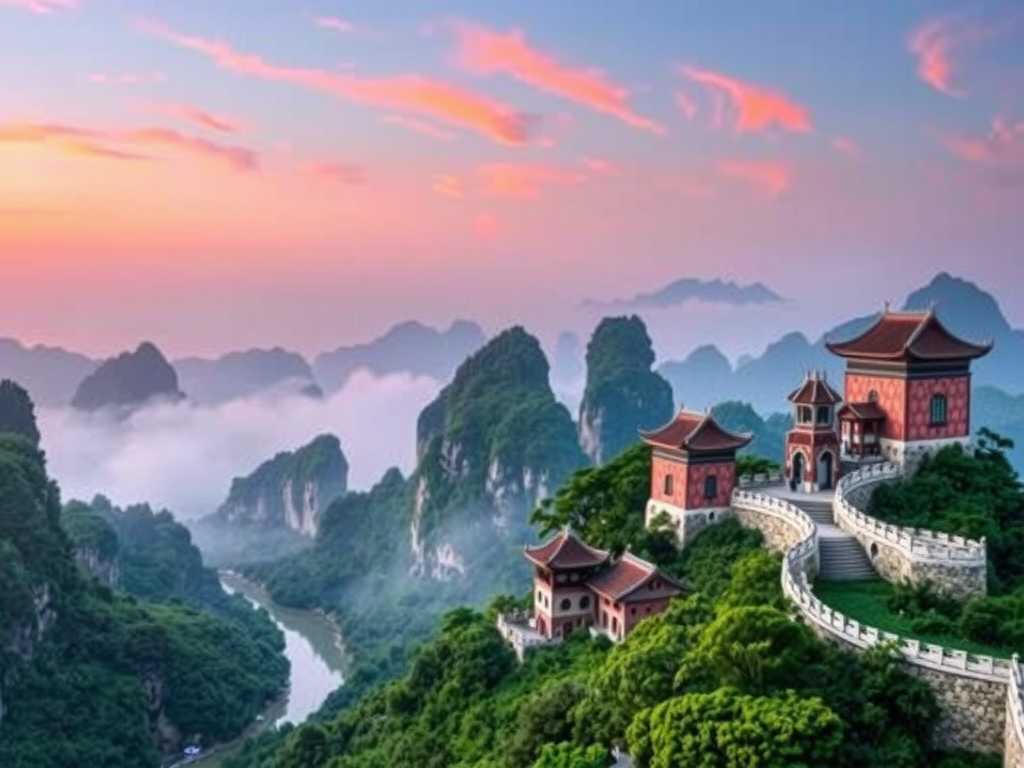
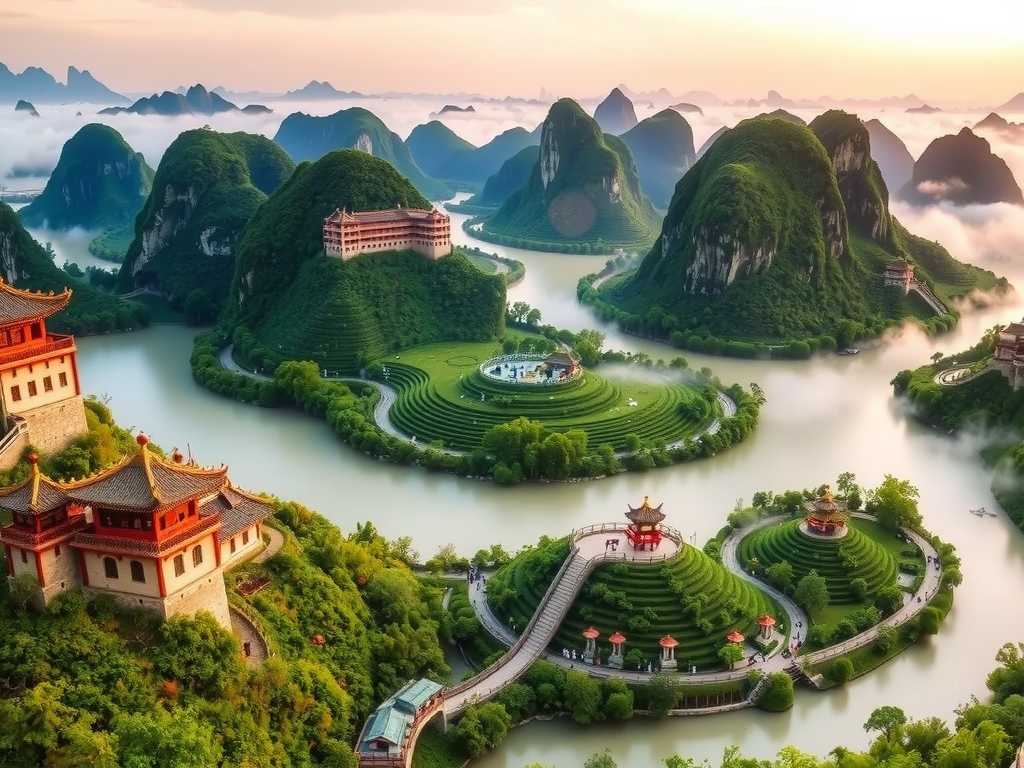
The Iconic Landscapes: Guilin & Zhangjiajie No discussion of China’s scenic beauty is complete without Guilin and Zhangjiajie. Guilin, with its serene Li River flanked by ethereal karst hills, is the embodiment of classical Chinese landscape painting. A cruise here is a journey through a living scroll. In contrast, Zhangjiajie National Forest Park in Hunan offers a surreal, otherworldly spectacle. Thousands of towering sandstone pillars, shrouded in mist, inspired the floating Hallelujah Mountains in the film Avatar. These sites offer more than just views; they are places where nature’s artistry feels profoundly spiritual.
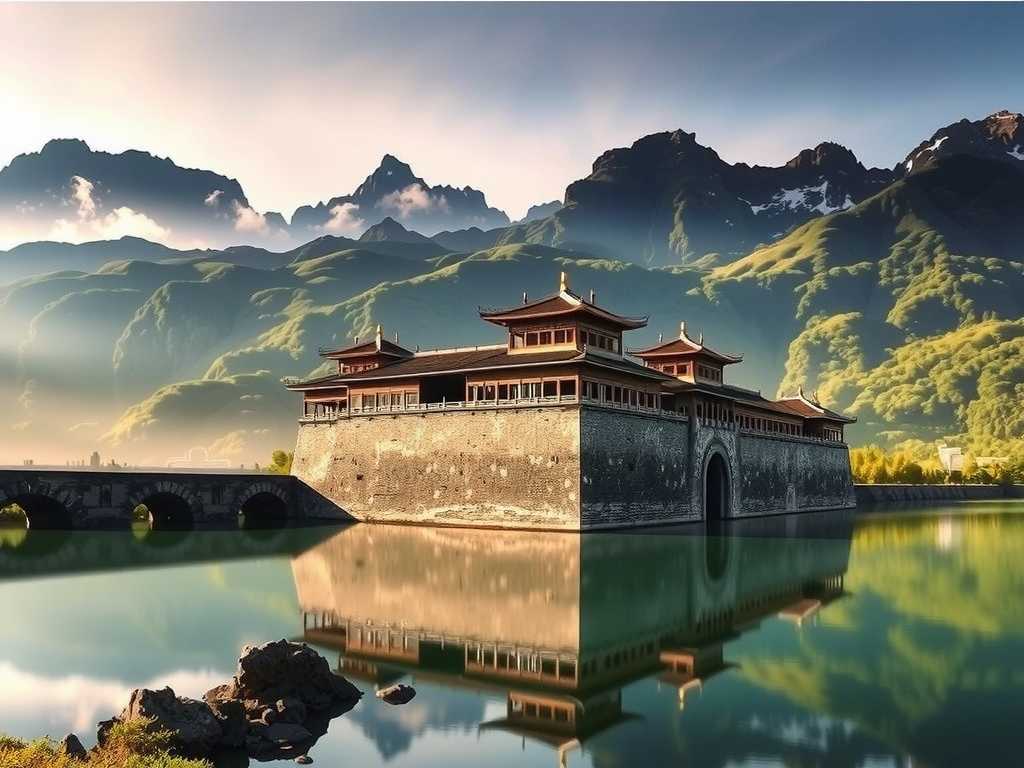
The Historical Heartland: Beijing & Xi’an For a deep dive into China’s imperial and ancient heritage, Beijing and Xi’an are essential. Beijing is home to the majestic Forbidden City, a vast palace complex that was the seat of power for five centuries, and the meticulously engineered Great Wall, snaking across mountain ridges. A 2023 report by the World Heritage Travel Index highlighted the Mutianyu and Jinshanling sections as offering the optimal blend of accessibility, restoration, and raw scenic grandeur. Southwest of Beijing, Xi’an presents the awe-inspiring Terracotta Army, a silent, millennia-old guard for China’s First Emperor. The well-preserved city walls offer a unique perspective on this ancient capital.
The Water Towns & Gardens of Jiangnan: Suzhou & Hangzhou South of the Yangtze River lies the region known as Jiangnan, synonymous with poetic canals, classical gardens, and a more refined aesthetic. Suzhou is famed for its UNESCO-listed classical gardens, masterpieces of miniature landscape design that create worlds of harmony and illusion within city walls. As expert garden curator Ming Zhao explains, "A Suzhou garden is a philosophical statement in rock, water, and plants—a pursuit of perfect balance." Nearby Hangzhou’s West Lake, with its pagodas, causeways, and willow-lined shores, has inspired poets and artists for over a thousand years, representing the ideal fusion of cultivated beauty and natural charm.
The Tibetan Plateau: A Cultural and Natural Sanctuary For the adventurous soul, the Tibetan Plateau offers an unparalleled combination of stark, high-altitude beauty and vibrant living culture. Lhasa, the "City of Sunshine," is centered around the awe-inspiring Potala Palace, a monumental fortress-palace that is the spiritual heart of Tibetan Buddhism. Beyond the cities, the crystal-clear lakes like Namtso and Yamdrok, and the world’s highest peak, Mount Everest (accessible from the Tibetan side), present landscapes of sublime scale and purity. This region requires mindful travel, respecting both the fragile environment and the deep-rooted local customs.
Practical Tips for Planning Your Heritage Journey
Best Times to Visit Timing is crucial. Spring (April-May) and autumn (September-October) generally offer the most pleasant weather nationwide—mild temperatures and clear skies. This is ideal for visiting the Great Wall, hiking in Zhangjiajie, or exploring Jiangnan’s gardens. Summer can be hot and crowded, while winter offers a quiet, stark beauty in the north, perfect for seeing the Forbidden City with snow.
Navigating Transportation and Accommodation China’s high-speed rail network is a marvel of efficiency and a scenic experience in itself, perfectly connecting major heritage hubs like Beijing, Xi’an, and Shanghai. For remote areas like Zhangjiajie or Tibet, domestic flights are necessary. Consider staying in a courtyard hotel (siheyuan) in Beijing’s hutongs, a guesthouse in a Suzhou garden district, or a boutique hotel with a view of the Li River in Yangshuo to enhance your cultural immersion.
Respecting Cultural Etiquette When visiting temples, palaces, and rural communities, respectful behavior is paramount. Dress modestly, speak softly, and always ask permission before photographing people. At religious sites, follow posted rules regarding photography and circumambulation (walking around shrines). Learning a few basic Mandarin phrases like nǐ hǎo (hello) and xiè xie (thank you) will be greatly appreciated.
How can I avoid the biggest crowds at major sites like the Great Wall or the Terracotta Army? The key is timing. Arrive right at opening time, preferably on a weekday. For the Great Wall, choose less-visited but equally stunning sections like Jinshanling or Simatai. For the Terracotta Army, visiting during the lunch hour or just a few hours before closing can sometimes mean fewer tour groups.
Is it feasible to visit both classic sites and more remote natural areas in one two-week trip? Absolutely, with careful planning. A classic itinerary could combine Beijing (4 days) for history, Xi’an (2-3 days) for ancient wonders, a flight to Zhangjiajie (2-3 days) for nature, and finish in Shanghai with a day trip to a Suzhou water town (2-3 days). This balances iconic heritage with stunning scenery efficiently.
What is the most important thing to pack for a trip focusing on scenery and heritage? Beyond your passport and comfortable walking shoes, pack layers. Mountain areas like Zhangjiajie or the Great Wall can be cooler than cities. A lightweight scarf or shawl is versatile for covering shoulders in temples, providing warmth, or protecting from the sun. Most importantly, bring a spirit of curiosity and patience.
Exploring China is an engagement with the profound. It is standing on a wall built by millions, sailing through landscapes that have defined art for centuries, and tasting flavors that tell stories of trade and tradition. The journey through China’s scenic beauty and heritage is ultimately a journey into depth—of history, of landscape, and of human ingenuity. By moving beyond the postcard and seeking context, your travel becomes a meaningful connection, leaving you with not just photographs, but with a lasting sense of wonder and understanding.

发表评论