 admin
admin Breathtaking Scenic Locations in China: Your Ultimate Guide to Nature's Masterpieces
Have you ever scrolled through stunning travel photos, feeling a pang of longing but overwhelmed by the sheer size and options in China? You know this vast country holds some of the world's most breathtaking scenic locations, but planning a trip that captures their true essence, beyond the crowded postcard spots, feels like a daunting puzzle. The challenge isn't finding beauty—it's finding the right beauty for you, knowing the best time to visit for that perfect view, and experiencing these wonders authentically. This guide is designed to solve that exact problem, transforming your inspiration into a clear, actionable journey.
We will move beyond simple lists and delve into the soul of China's diverse landscapes. From the ethereal karst mountains of the south to the otherworldly deserts of the west, you'll gain the insights needed to plan an unforgettable adventure. Our focus is on providing first-hand, experience-based knowledge that prioritizes not just seeing, but truly connecting with these natural marvels.
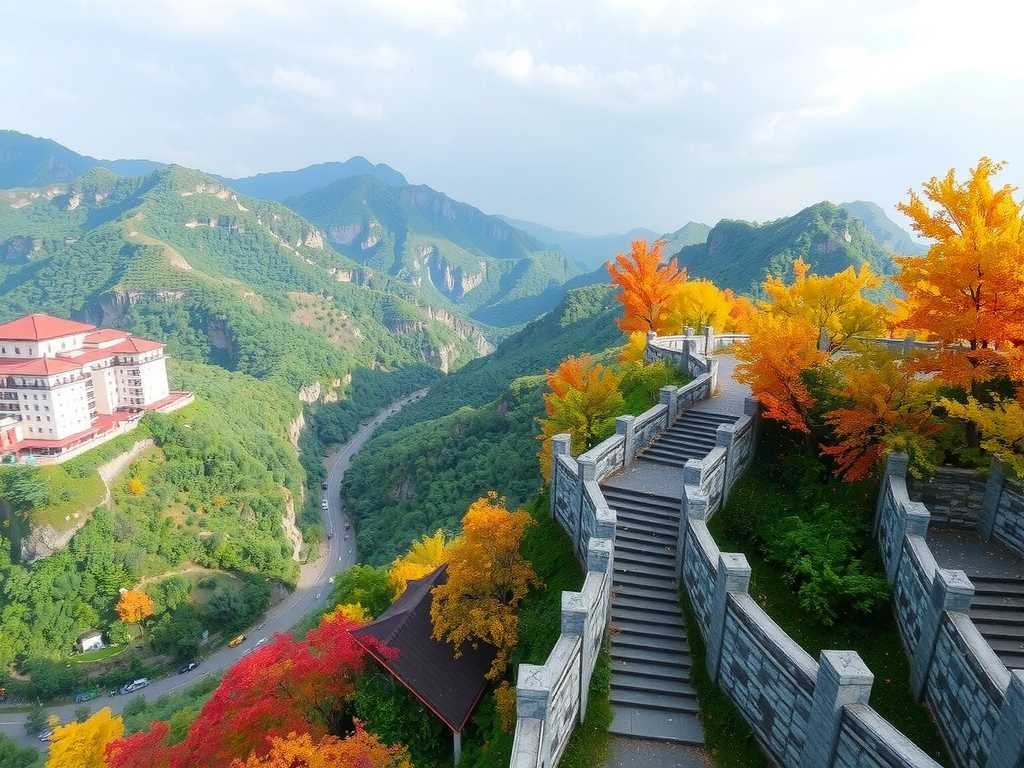
The Ethereal Peaks and Mystical Waters of Southern China
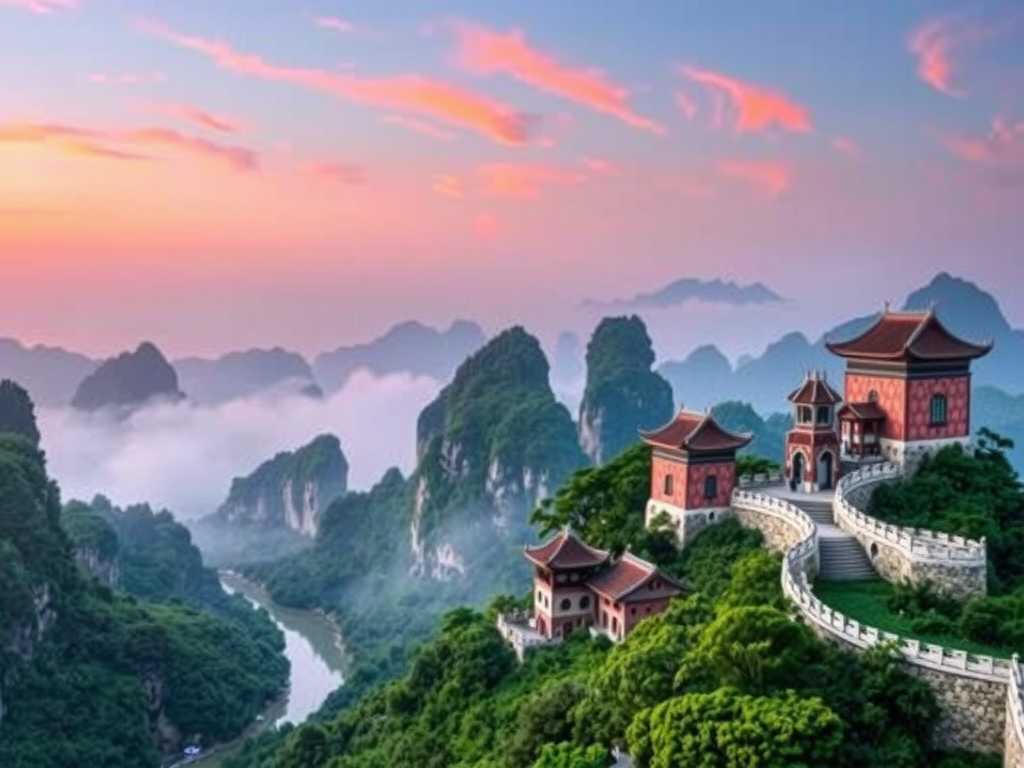
Southern China is a painter's dream come to life, where mist-clad mountains rise dramatically from winding rivers and emerald-green rice terraces cascade down hillsides. This region offers a softer, more poetic kind of grandeur.
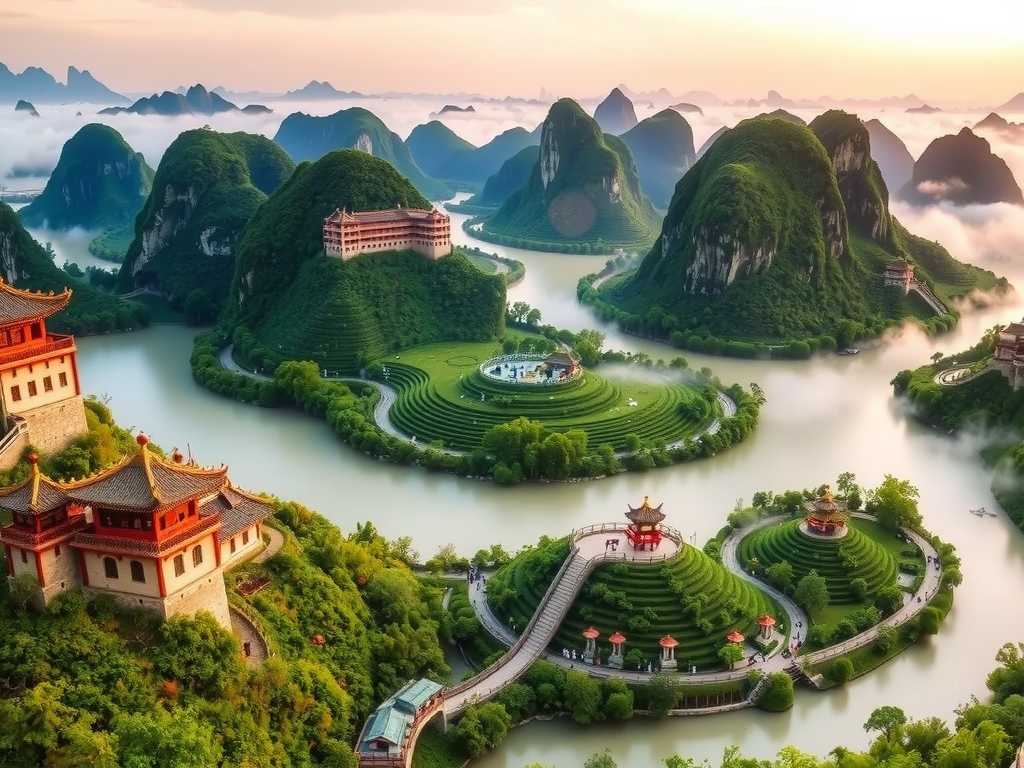
The Li River: A Journey Through a Classical Painting No discussion of China's scenic beauty is complete without the Li River in Guangxi. The stretch between Guilin and Yangshuo is the iconic image of serene, breathtaking scenic locations. Here, karst peaks, shaped by millennia of erosion, jut vertically from the flat river plains and reflect perfectly in the calm waters. As noted by geographer Dr. Liang Wei, "The Guilin karst landscape is a textbook example of fenglin (peak forest) and fengcong (peak cluster) formations, creating a unique topographic art that has inspired Chinese poets and artists for centuries."
The best way to experience this is on a leisurely bamboo raft or a scenic cruise. Forget the large tourist boats for a moment; opt for a smaller raft on the Yulong River, a tributary near Yangshuo. You'll glide past water buffalo, local farmers, and sheer cliffs draped in greenery. The key is to visit early in the morning when the mist lingers, transforming the scenery into a living ink wash painting. Spend a day cycling through the countryside around Yangshuo to discover hidden villages and quiet vistas that feel worlds away from the city.
Zhangjiajie's Avatar Mountains: Pillars in the Sky If the Li River is a gentle poem, Zhangjiajie National Forest Park in Hunan is an epic science-fiction novel. Its towering sandstone pillars, some over 1,000 meters tall, inspired the floating "Hallelujah Mountains" in the movie Avatar. Walking through this park is a humbling experience. You'll take cable cars up the mountainsides, walk along cliff-hugging pathways like the thrilling Zhangjiajie Glass Bridge, and observe the pillars from various breathtaking angles.
For the most awe-inspiring view, head to the "First Bridge Under Heaven," a natural rock bridge spanning two peaks, often shrouded in clouds. The park is vast, so allocate at least two full days. Stay in the nearby Wulingyuan area to enable early entry, beating the largest crowds and witnessing the pillars emerge from the sea of morning fog—a truly magical and unforgettable sight.
The Raw Majesty and Spiritual Vistas of Western China
Venture west, and the landscapes shift to a scale of raw, untamed power. This is the realm of deep gorges, colossal mountains, and high-altitude plateaus that test your spirit and reward it with unparalleled views.
The Tiger Leaping Gorge: A Hiker's Pilgrimage Nestled in Yunnan province, where the mighty Yangtze River forces its way between Jade Dragon Snow Mountain and Haba Snow Mountain, lies one of the world's deepest and most dramatic river canyons. Tiger Leaping Gorge is not a passive viewing point; it's an immersive, multi-day hiking experience. The high trail offers jaw-dropping vistas of the roaring river thousands of feet below, with snow-capped peaks framing the scene.
This trek is considered moderately challenging but is accessible to most fit travelers. You'll stay in simple guesthouses run by local Naxi families along the route, adding a rich cultural layer to the natural spectacle. As seasoned trekking guide Luo Ming puts it, "The gorge doesn't just show you beauty; it makes you earn every view. The physical effort deepens the connection to the landscape, making the final sight of the river's narrowest, fiercest point profoundly personal." The best seasons are spring and autumn, avoiding the summer rainy season's slippery paths.
Mount Kailash: The Sacred Summit Towering over the Tibetan Plateau, Mount Kailash is not the world's highest mountain, but it is arguably one of its most spiritually significant. Revered in Buddhism, Hinduism, Jainism, and Bon, its distinct pyramidal shape is a beacon for pilgrims. For many, the ultimate experience is the 52-kilometer kora (circumambulation) around its base, a journey undertaken at altitudes above 4,500 meters.
The scenery here is stark, powerful, and deeply spiritual. You'll see glacial lakes like the turquoise Lake Manasarovar, witness pilgrims prostrating their way along the path, and feel the immense silence of the plateau. This journey is less about comfort and more about transformation. It requires careful acclimatization and respect for local customs, but the reward is an encounter with one of Asia's most profound and breathtaking scenic locations, where nature and faith are inextricably linked.
The Surreal and Colorful Landscapes of Northern and Northwestern China
From the vibrant palette of mineral lakes to the endless curves of singing sand dunes, northern China presents landscapes that feel almost alien in their beauty.
The Rainbow Mountains of Zhangye: Earth's Canvas Located in Gansu province, the Zhangye Danxia Landform Geological Park looks like a giant artist took pastel chalks to a series of rolling hills. These striated mountains display brilliant bands of red, yellow, blue, and green, formed by mineral deposits and sandstone over 24 million years. The colors are most vivid after rainfall, when the rocks are damp, and during sunset or sunrise, when the low angle of the sun intensifies the contrasts.
Boardwalks guide visitors through the park to several viewing platforms, each offering a different perspective on the colorful ridges. It’s a photographer's paradise. To avoid the midday sun which can wash out the colors, plan your visit for late afternoon. Combining a trip here with the nearby Matisi Temple, with its caves carved into a cliff face, makes for a fantastic journey into China's geological and cultural history.
The Singing Sand Dunes of Dunhuang At the edge of the Gobi Desert, near the oasis town of Dunhuang, lies Mingsha Shan—the Singing Sand Mountains. These golden dunes, some reaching startling heights, curve and ripple against the backdrop of clear blue skies. Their name comes from the low humming sound the sand makes when the wind blows or when you slide down its slopes.
The iconic view here is Crescent Moon Lake, a serene, spring-fed pond shaped like a new moon, nestled miraculously at the base of the towering dunes. You can climb the dunes for a spectacular sunset, watch the lake light up at night, or try a camel ride along the dune ridges. It's a place of powerful contrasts—the harshness of the desert juxtaposed with the fragile, enduring beauty of the oasis—offering a completely different facet of China's scenic diversity.
What is the best time of year to visit these scenic locations in China? Generally, spring (April-May) and autumn (September-October) offer the most comfortable weather and clearest skies nationwide. However, specific areas vary. Southern China (like Guilin) is best in autumn for dry, sunny days. Western Sichuan and Tibet are ideal in early autumn. The northern deserts (Zhangye, Dunhuang) are best visited in late spring or early autumn to avoid extreme summer heat and winter cold.
Are these locations suitable for family travel with children? Yes, but with selection. The Li River cruise, Zhangye's boardwalks, and Dunhuang's dunes are very family-friendly. Hikes like Tiger Leaping Gorge or high-altitude destinations like Mount Kailash require careful consideration of children's fitness and altitude tolerance. Opt for shorter, accessible sections and ensure proper acclimatization and safety measures.
How can I travel responsibly to these natural sites? Always stay on marked paths and boardwalks to protect fragile ecosystems. Carry out all your trash, including biodegradable items. Use refillable water bottles. Respect local customs and sacred sites, especially in Tibetan areas—always ask before photographing people or religious ceremonies. Choose local guides and homestays to ensure your tourism directly benefits the community preserving these wonders.
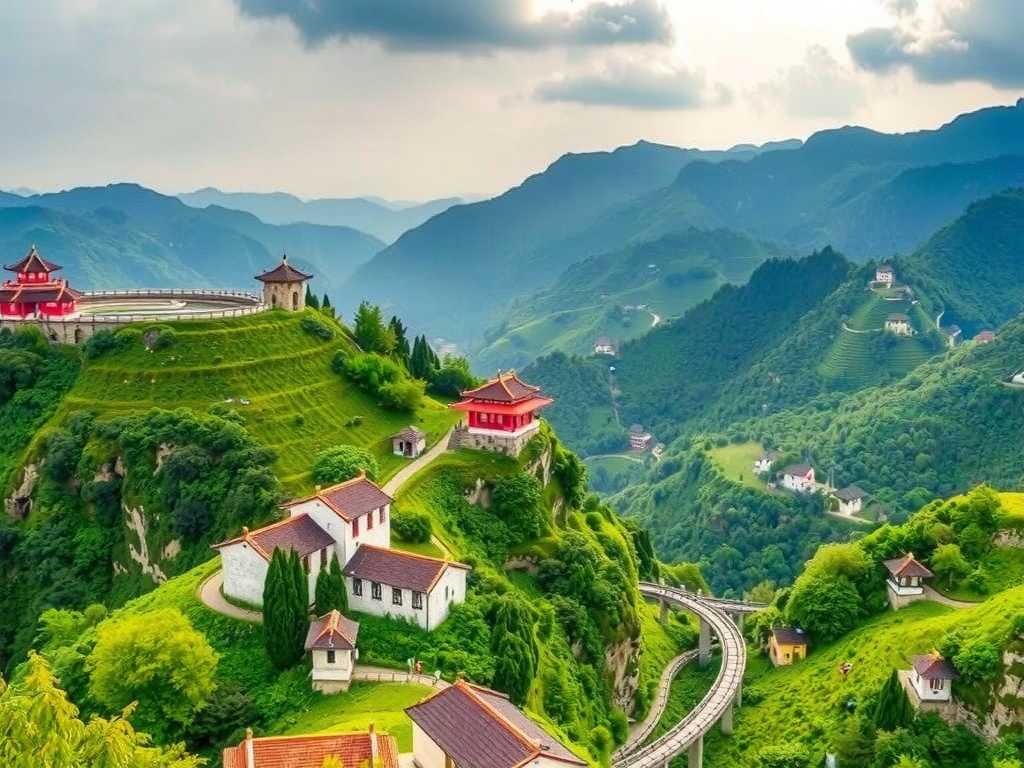
China's landscape is a grand tapestry, woven with threads of serene beauty, raw power, and surreal color. Each of these breathtaking scenic locations offers a unique dialogue between the land and the visitor. The journey to them is as much about internal discovery as it is about external sightseeing. By moving beyond the obvious and seeking the authentic moments—the mist on the Li River at dawn, the silence atop a sand dune at dusk, the shared smile with a pilgrim on the kora—you don't just visit China's masterpieces. You become a part of their ongoing story. Let this guide be your first step into that story.

发表评论