 admin
admin China’s Scenic Treasures: Unforgettable Trips for Every Traveler
Planning a trip to China can feel overwhelming. With a landmass so vast and a history spanning millennia, how do you move beyond the well-trodden path of Beijing and Shanghai to discover the soul-stirring landscapes and hidden cultural gems? The challenge isn't finding beauty—it's choosing which of China's countless scenic treasures to include in your limited itinerary. This guide is designed to solve that exact problem, cutting through the noise to present a curated selection of China's most unforgettable trips. We focus on authentic experiences, practical logistics, and those breathtaking moments that linger in your memory long after you return home.
Crafting Your Journey Through China's Diverse Landscapes
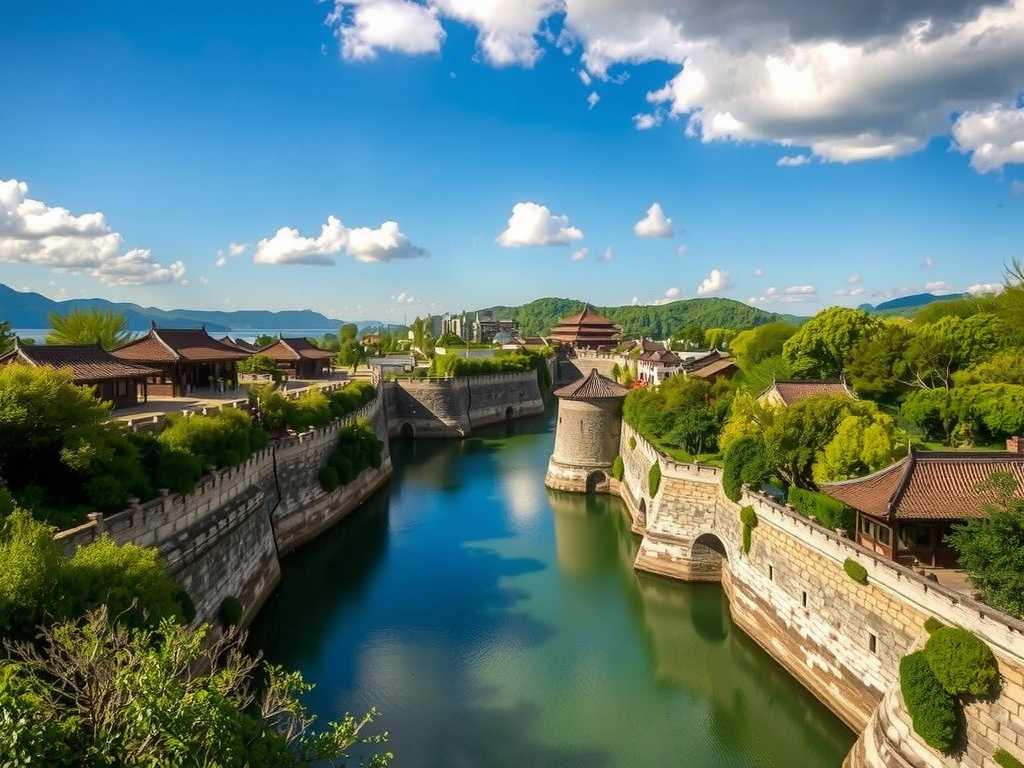
China's geography is a traveler's dream, offering everything from jagged mountain peaks and serene rivers to sweeping deserts and lush rice terraces. Understanding these regional characters is the first step in planning a trip that matches your interests.
The Classic Panorama: Guilin and the Li River
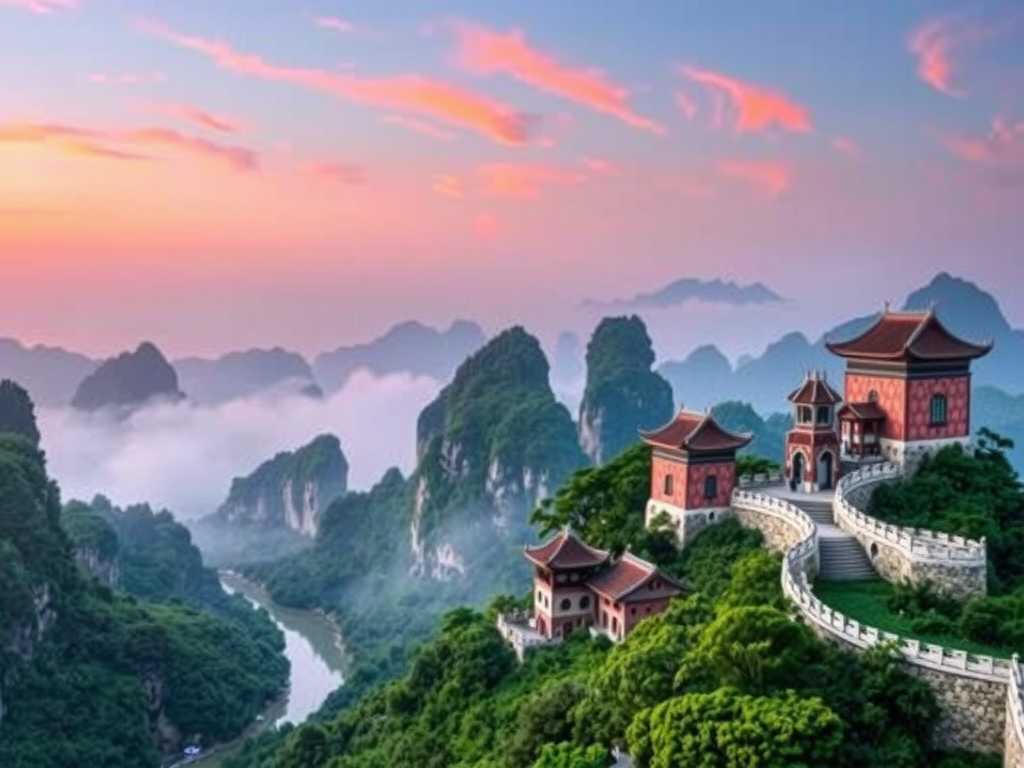
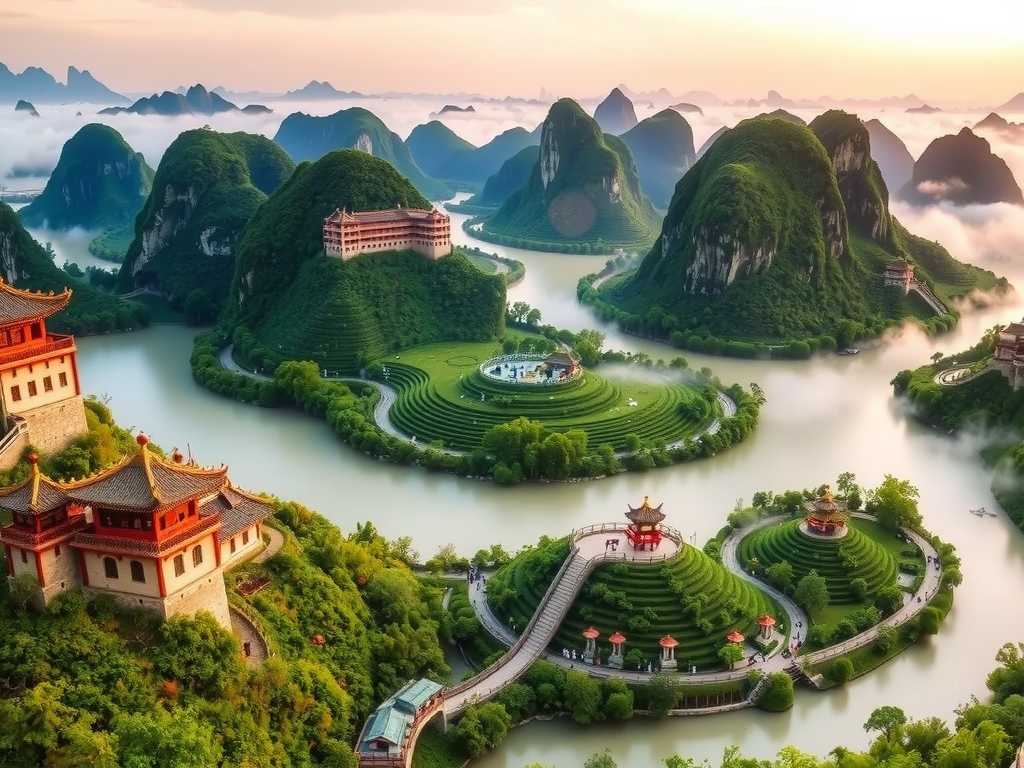
No list of China's scenic treasures is complete without the ethereal landscape of Guilin. This is the China of classical paintings, where limestone karst peaks shrouded in mist rise dramatically from the Li River's jade-green waters.
-
The Essential Li River Cruise The journey from Guilin to Yangshuo by boat is the centerpiece. Opt for a mid-morning departure to see the light play across the peaks. As you drift past water buffalo grazing on the banks and fishermen with their cormorants, you'll understand why this scene is printed on the 20 RMB note. It's not just a cruise; it's a moving panorama of rural Chinese life.
-
Yangshuo's Countryside Adventures Disembarking in Yangshuo opens a world of active exploration. Rent a bicycle and get lost on the flat paths weaving through villages and fields with the karsts as your constant backdrop. For a unique perspective, try a bamboo raft ride on the quieter Yulong River. In the evening, the Impression Sanjie Liu light show, directed by Zhang Yimou and set on the river itself, is a spectacular fusion of nature and performance art.
The Avatar Mountains: Zhangjiajie's Surreal Peaks
If you've ever wondered what it might feel like to walk on another planet, Zhangjiajie National Forest Park provides the answer. The towering sandstone pillars, some over 1,000 meters tall, inspired the floating Hallelujah Mountains in the film Avatar.
-
Navigating the National Forest Park The park is vast, so planning is key. The Bailong Elevator, a glass elevator built onto the side of a cliff, offers a thrilling ascent. The Golden Whip Stream trail is a easier, picturesque walk at the base of the pillars. For the iconic view, head to the Yuanjiajie Scenic Area, home to the "Avatar Hallelujah Mountain" pillar.
-
The Glass Bridge and Tianmen Mountain Nearby, challenge your nerves on the Zhangjiajie Grand Canyon Glass Bridge, one of the world's longest and highest. For a different experience, take the cable car up Tianmen Mountain, known for the natural "Heaven's Gate" arch and a cliff-hugging walkway with sheer drops.
The Roof of the World: Tibet's Spiritual and Natural Majesty
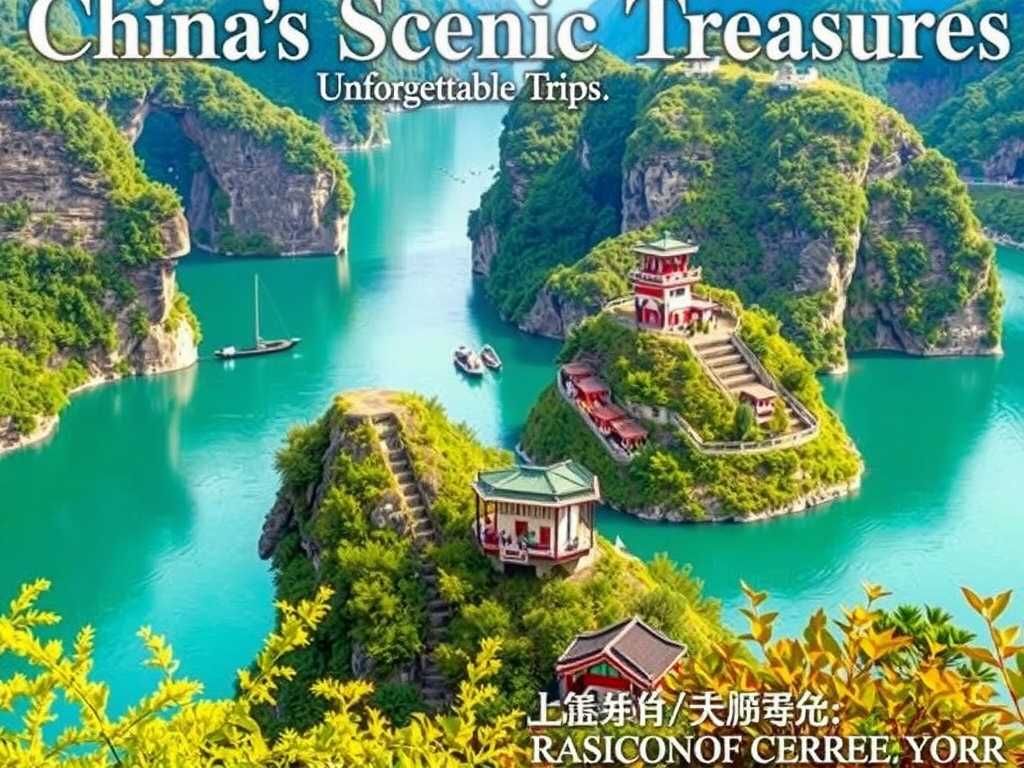
A trip to the Tibet Autonomous Region is more than a scenic journey; it's a profound cultural and spiritual immersion. The towering Himalayas, pristine lakes, and ancient monasteries create an atmosphere unlike anywhere else.
-
Lhasa: Heart of Tibetan Buddhism Start in Lhasa, allowing time to acclimatize to the high altitude. The Potala Palace, a monumental fortress-palace, dominates the skyline. Join pilgrims circling the Jokhang Temple, Tibet's most sacred site, and explore the debating monks at Sera Monastery. As noted by cultural historian Dr. Tenzin Wangmo, "Lhasa is where the spiritual and the earthly converge; visitors feel it in the air."
-
Venturing to Everest Base Camp and Yamdrok Lake A road trip to the North Face Everest Base Camp (Rongbuk Monastery) is arduous but unforgettable, offering humbling views of the world's highest peak. Closer to Lhasa, the turquoise waters of Yamdrok Lake, one of Tibet's three great sacred lakes, are set against stark, majestic mountains—a vista that defines sublime beauty.
Beyond the Mountains: Desert, Lakes, and Water Towns
China's scenic diversity extends far beyond its famous peaks.
The Gobi Desert Oasis of Dunhuang In Gansu province, Dunhuang is a gateway to Silk Road history and stark desert beauty. The Mogao Caves are a UNESCO treasure trove of Buddhist art. A sunset camel ride over the singing sand dunes of Mingsha Shan, overlooking the crescent moon-shaped oasis of Yueyaquan, is a quintessential desert experience.
The Colorful Lakes of Jiuzhaigou After a 2017 earthquake, Jiuzhaigou Valley National Park in Sichuan has reopened, its ecosystem carefully restored. Its claim to fame is a series of multi-colored lakes, crystal-clear waters, and multi-tiered waterfalls set in a pristine alpine environment. The vibrant blues and greens of lakes like Five-Flower Lake seem almost unreal.
The Canal Towns of Jiangnan For a softer, lyrical side of China, visit the ancient water towns near Shanghai and Suzhou. Zhujiajiao or Tongli offer a glimpse of "Venice of the East" charm. Glide along canals on a hand-rowed boat under stone bridges, past whitewashed houses with black-tiled roofs. It's a peaceful, romantic counterpoint to China's vast landscapes.
Practical Tips for Planning Your Unforgettable Trip
To transform these scenic treasures into a smooth reality, a few strategic plans are essential.
- Timing Your Visit: China's seasons vary greatly. Spring (April-May) and Autumn (September-October) generally offer the most pleasant weather nationwide. Avoid national holidays like Golden Week (early October) for fewer crowds.
- Transportation: China's high-speed rail network is efficient and connects major cities. For remote areas like Zhangjiajie or Jiuzhaigou, domestic flights are often necessary. Book trains in advance via reliable travel apps or agencies.
- Cultural Preparedness: A few Mandarin phrases go a long way. Download a translation app and a VPN before you arrive. Always carry cash, as smaller vendors may not accept foreign cards.
Frequently Asked Questions
What is the best time of year to visit Zhangjiajie? Autumn (September to November) is ideal. The weather is cool and stable, and the autumn foliage adds stunning red and gold hues to the already dramatic peaks, while summer can be rainy and foggy.
Is it difficult to get a Tibet Travel Permit? Yes, foreign travelers cannot enter Tibet independently. You must book a tour with a licensed agency, which will arrange the necessary Tibet Travel Permit (TTB). Your agency will also guide you on the required guided itinerary within the region.
Are the water towns near Shanghai too touristy? Some, like Zhouzhuang, can be very busy. For a more authentic experience, consider visiting on a weekday or choosing lesser-known towns like Xitang or Nanxun. Staying overnight allows you to experience the tranquil atmosphere after the day-trippers have left.
China's scenic treasures offer a journey through not just space, but time and culture. From the poetic riverscapes of Guilin to the spiritual heights of Tibet and the surreal stone forests of Zhangjiajie, each destination provides a unique window into this ancient and rapidly evolving country. By focusing on your interests—be it photography, hiking, culture, or tranquility—you can craft an itinerary that moves beyond a simple checklist to become a deeply personal and truly unforgettable series of experiences. The memories of these landscapes, and the moments of connection within them, will stay with you forever.

发表评论