 admin
admin Discover the Wonders: Your Ultimate Guide to Visit China’s Iconic Scenic Landmarks
Planning a trip to China can feel overwhelming. With a vast territory spanning ancient history and futuristic cities, how do you choose where to go? Many travelers struggle to move beyond the well-trodden path of Beijing and Shanghai, missing out on the profound beauty and diversity that define this incredible country. This guide is designed to solve that exact problem. We will navigate you through China’s most breathtaking and culturally significant scenic landmarks, providing a clear, step-by-step itinerary to experience the very best. Whether you seek serene natural beauty, awe-inspiring human achievement, or deep cultural immersion, your journey to visit China’s iconic scenic landmarks starts here.
Crafting Your Perfect China Landmarks Itinerary
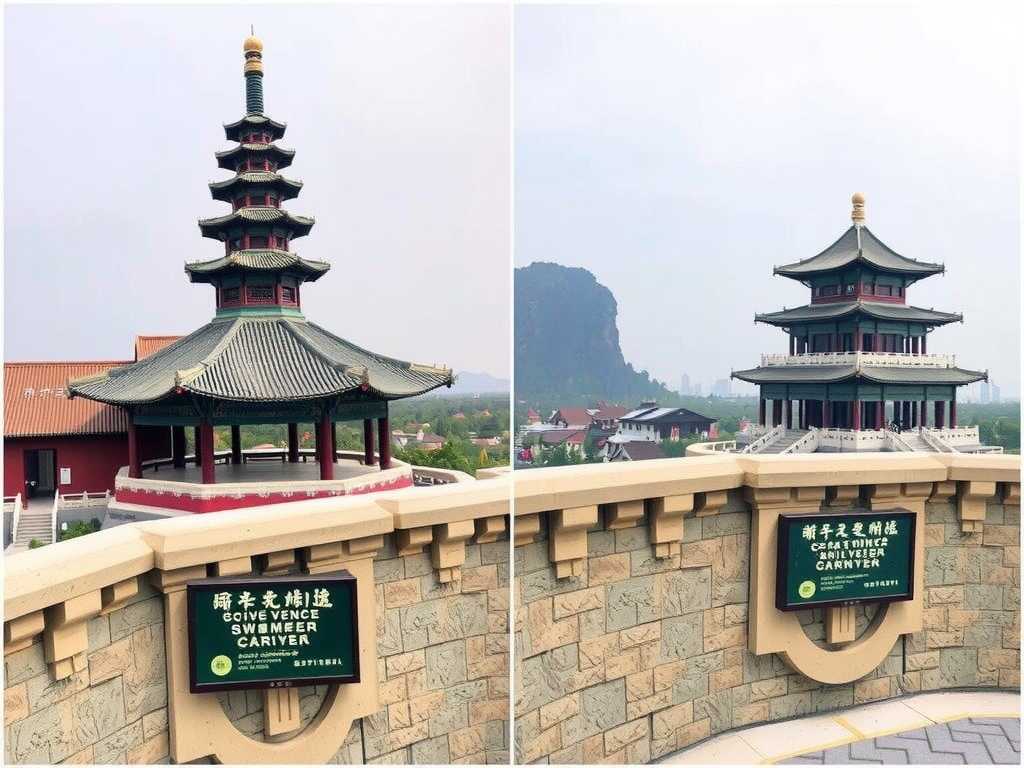
A successful trip hinges on smart planning. China’s size demands a strategic approach to maximize your time and experience.
- Prioritize Your Interests. Are you drawn to imperial history, dramatic landscapes, or vibrant minority cultures? Answering this helps narrow your focus.
- Consider Logistics and Seasons. Travel times between regions can be long. Research the best season for each destination—spring and autumn generally offer the most pleasant weather nationwide.
- Allocate Time Realistically. Don’t try to see everything in one go. A 10-14 day trip comfortably covers 2-3 major regions. As noted by the China Tourism Academy, travelers who focus on thematic journeys, like a "Silk Road" or "Yangtze River" route, report significantly higher satisfaction rates.
The Unmissable Classics: China’s Crown Jewels
No first-time visit is complete without witnessing these world-famous sites. They are iconic for a reason.
The Great Wall: A Walk Through History Stretching over 13,000 miles, the Great Wall is more than a photo opportunity; it’s a tangible piece of history. For the best experience, skip the crowded Badaling section. Instead, head to Mutianyu for its stunning forested views and convenient cable car, or Jinshanling for a more rugged, authentic hike. The sense of walking along an ancient dragon weaving through mountains is unparalleled. Expert historian Dr. Li Ming often emphasizes, "To understand China’s defensive ingenuity and perseverance, one must stand on the Great Wall and look across the valleys it was built to protect."
The Forbidden City & Terracotta Army: Windows to Imperial Power In Beijing, the Forbidden City offers a staggering glimpse into the lives of Ming and Qing emperors. With nearly 1,000 buildings, focus on the central axis halls and the quieter eastern galleries. Meanwhile, in Xi’an, the Terracotta Army stands as a testament to one ruler’s ambition. Seeing the thousands of unique, life-sized soldiers is a humbling encounter with ancient artistry and power. These two sites bookend a narrative of China’s imperial grandeur.
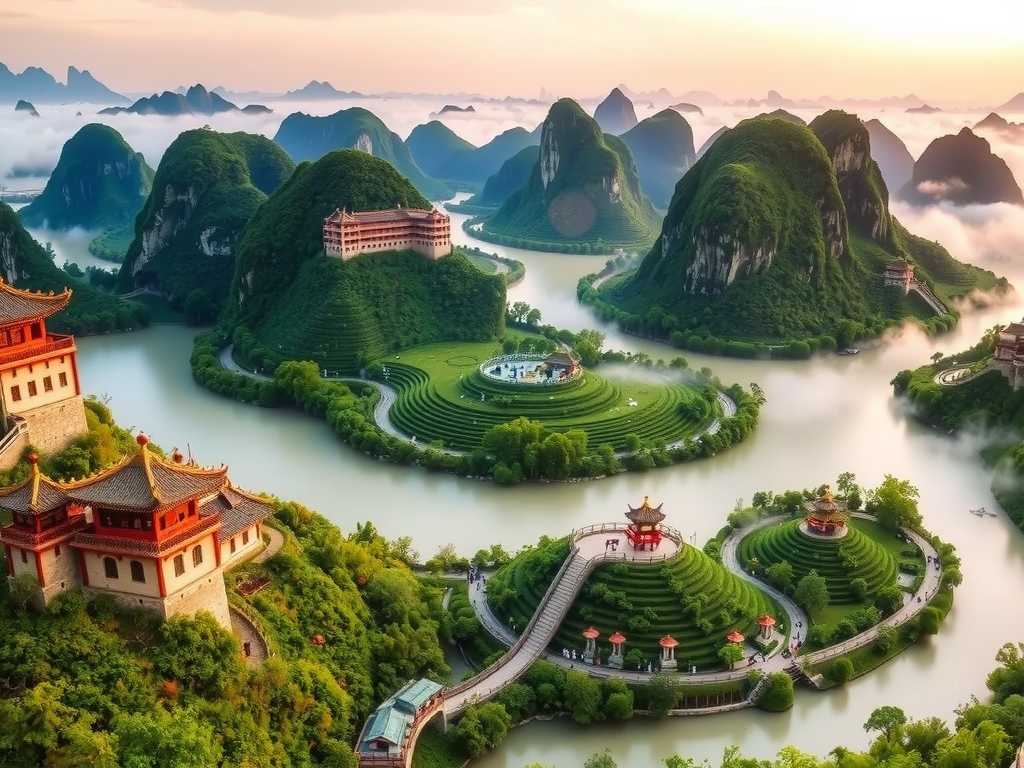
The Li River & Karst Peaks: A Painting Come to Life The landscape of Guilin and Yangshuo is the image on countless postcards and scroll paintings. A Li River cruise from Guilin to Yangshuo is the quintessential way to visit China’s iconic scenic landmarks of natural beauty. The sheer limestone karst peaks rising from the misty river and rice paddies create a scene of serene, almost surreal, beauty. Cycling through Yangshuo’s countryside brings you even closer to this peaceful panorama.
Beyond the Guidebook: China’s Deeper Wonders
For those looking to delve deeper, these destinations offer equally stunning but less crowded experiences.
Zhangjiajie’s Avatar Mountains The towering, quartz-sandstone pillars of Zhangjiajie National Forest Park seem from another planet—inspiring the floating Hallelujah Mountains in Avatar. Walk the glass-bottomed Zhangjiajie Grand Canyon Bridge, ride the Bailong Elevator, and explore the maze-like trails. The otherworldly scenery here is a highlight for any nature lover.
Jiuzhaigou Valley’s Colored Lakes A UNESCO site in Sichuan, Jiuzhaigou is a fairy tale of multi-hued lakes, cascading waterfalls, and snow-capped peaks. The water is so clear and vividly colored—in turquoise, emerald, and amber—it defies belief. Autumn, when the foliage turns golden, is considered the most magical time to visit.
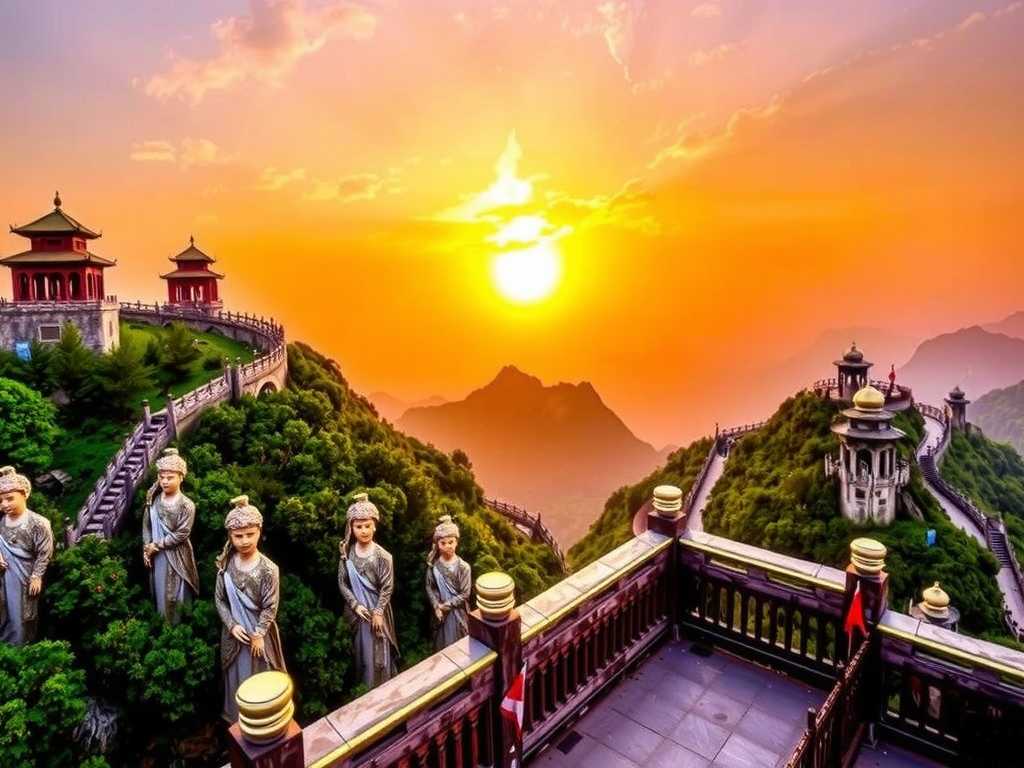
The Potala Palace and Himalayan Vistas For a profound cultural and spiritual journey, Lhasa, Tibet, is unmatched. The majestic Potala Palace, once the winter home of the Dalai Lama, dominates the skyline. The combination of deep spirituality, stark Himalayan landscapes, and unique Tibetan culture makes this a truly transformative destination. Note that travel to Tibet requires special permits and careful acclimatization to the high altitude.
Practical Tips for a Seamless Landmarks Tour
Navigating China smoothly ensures you focus on the sights, not the stress.
- Visa and Tech: Apply for your tourist visa (L visa) well in advance. Download essential apps: WeChat for communication, Didi for ride-hailing, and a reliable VPN to access global internet services.
- Transport: China’s high-speed rail network is efficient, comfortable, and perfect for city-to-city travel. Book tickets online via Trip.com or at major train stations.
- Cultural Etiquette: A few simple phrases in Mandarin ("ni hao" for hello, "xie xie" for thank you) go a long way. Be mindful when visiting religious or solemn sites by dressing modestly and speaking quietly.
What is the best time of year to visit all these different landmarks? Spring (April-May) and Autumn (September-October) are universally the best seasons. You’ll enjoy mild temperatures, less rainfall, and beautiful natural scenery, whether you’re hiking the Great Wall or cruising the Li River.
How many days do I need for a comprehensive landmarks tour? A well-paced trip covering the classic Golden Triangle (Beijing, Xi’an, Shanghai plus Guilin) requires a minimum of 10-12 days. Adding a deeper dive like Zhangjiajie or Sichuan comfortably extends the trip to 2-3 weeks.
Is it difficult to travel independently in China if I don’t speak Chinese? While challenging, it’s entirely possible with preparation. Use translation apps, book hotels and trains through English-friendly platforms, and consider hiring local guides for specific sites. Major cities and tourist spots have basic English signage.
Embarking on a journey to explore these destinations is more than a vacation; it’s an immersion into millennia of history, art, and natural philosophy. From the man-made marvel of the Great Wall to the ethereal beauty of Jiuzhaigou, each landmark tells a part of China’s grand story. With thoughtful planning and an adventurous spirit, you’re set for an unforgettable experience that will reshape your understanding of this vast and fascinating country. Start planning your route, pack your curiosity, and get ready to create memories that will last a lifetime.


发表评论