 admin
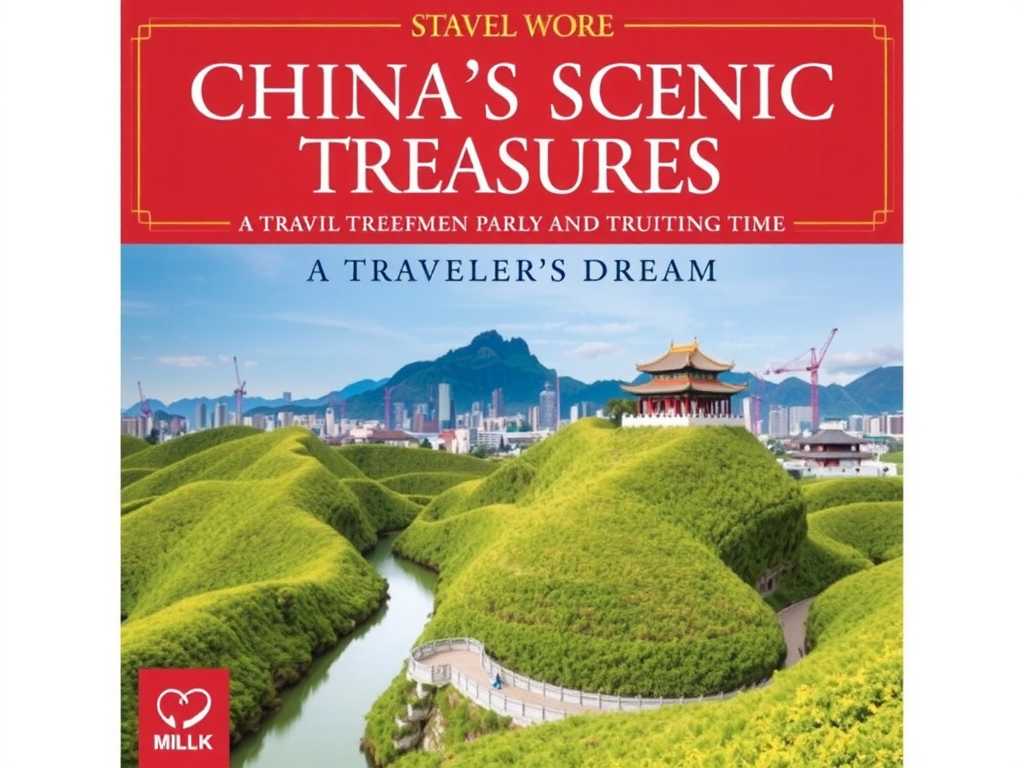
admin China’s Scenic Marvels: Travel Guide 2024
Planning a trip to China can feel overwhelming. With a landmass rivaling a continent and thousands of years of history layered onto breathtaking landscapes, where do you even begin? You’re searching for those iconic, picture-perfect moments, but also crave authentic experiences beyond the guidebooks. The challenge isn't finding beauty in China—it's navigating the sheer scale of it to create a personalized, seamless, and deeply memorable journey. This 2024 travel guide is designed to cut through the noise. We’ll navigate China’s scenic marvels with practical advice, from timeless wonders to emerging hotspots, helping you craft an itinerary that balances awe-inspiring sights with cultural depth.

Navigating China’s Diverse Landscapes

China’s geography is a dramatic tapestry, offering everything from the arid dunes of the northwest to the karst pinnacles of the south. Understanding these regions is the first step to planning your adventure.
The Iconic Must-Sees: Timeless Wonders No first-time visit is complete without witnessing China’s most legendary sites. The Great Wall, snaking across mountains north of Beijing, is more than a photo stop; it’s a testament to human endeavor. For the best experience in 2024, consider less-crowded sections like Mutianyu or Jinshanling, which offer stunning views and restorative hikes. Similarly, the Terracotta Army in Xi’an remains a profound archaeological marvel. New digital exhibitions and improved visitor pathways have enhanced the experience, making the ancient warriors more accessible than ever. As noted by cultural historian Dr. Li Wen in a recent China Tourism Review report, “These sites are evolving from static displays into immersive historical dialogues, which is key for sustainable tourism.”
Beyond the Classics: Emerging Scenic Marvels While the icons deserve their fame, 2024 is the year to look deeper. Zhangjiajie National Forest Park in Hunan, with its towering sandstone pillars that inspired Avatar, continues to refine its infrastructure with clearer signage and eco-friendly shuttle systems. For a blend of culture and scenery, the Yuanyang Rice Terraces in Yunnan present a living landscape where Hani ethnic traditions have sculpted the mountains into cascading mirrors of water and light, especially breathtaking at sunrise. Another rising destination is Kanas Lake in Xinjiang, often called “China’s Switzerland,” with its alpine meadows and mysterious lake legends, offering pristine natural beauty far from the urban hubs.
Practical Travel Framework for 2024
A dream itinerary requires practical logistics. China’s travel environment is dynamic, and staying informed is crucial for a smooth trip.
Smart Itinerary Planning and Seasonal Timing China’s size means weather varies drastically. Spring (April-May) and Autumn (September-October) are generally ideal nationwide, offering mild temperatures. However, target your destination: visit Guilin’s Li River in spring for misty landscapes, or the grasslands of Inner Mongolia in late summer for lush greenery. Avoid major national holidays like Chinese New Year or Golden Week (early October) when domestic travel peaks. A strategic approach is to combine a classic destination with a lesser-known one—pair a Beijing history tour with a getaway to Chengde’s Mountain Resort, a UNESCO site that’s often less crowded.
Essential Logistics: Visas, Transport, and Connectivity As of 2024, visa policies are stabilizing post-pandemic. Standard tourist visas are available, and transit visa exemptions in major hubs like Beijing and Shanghai facilitate short stays. Booking high-speed train tickets (Gaotie) via apps like Trip.com is the most efficient way to travel between cities—they are punctual, comfortable, and offer a window into the countryside. For payment, while international cards are more widely accepted in hotels and large stores, setting up Alipay or WeChat Pay with a linked foreign card is indispensable for daily transactions, from street food to taxi rides. Always have a reliable VPN installed on your devices before arrival to access global internet services.
Immersive Experiences: Connecting with Culture and Nature
True travel goes beyond viewing; it’s about participating. Engaging responsibly with China’s cultural and natural heritage enriches your journey.
Cultural Etiquette and Meaningful Interaction A few simple gestures bridge cultural gaps. Learn basic Mandarin phrases like Ni hao (Hello) and Xie xie (Thank you)—it shows respect and is often met with warm smiles. When visiting temples or rural villages, dress modestly and always ask permission before photographing people. Seek out experiences that support local communities, such as a traditional tea ceremony in a Fujian plantation or a paper-cutting workshop in a Shaanxi village. These interactions, as emphasized by sustainable travel experts, provide income directly to local artisans and preserve intangible cultural heritage.
Adventure and Wellness in Natural Sanctuaries For the active traveler, China’s scenic marvels offer unparalleled adventures. Trek the Tiger Leaping Gorge in Yunnan, one of the world’s deepest canyons, for a multi-day hiking challenge. Alternatively, cycling through the karst scenery around Yangshuo offers a slower, immersive pace. Wellness tourism is also growing. The sacred Buddhist mountain Emei Shan provides rigorous pilgrim hikes leading to serene temples amidst clouds, while thermal hot springs in Changbai Mountain offer relaxation in a volcanic landscape. These activities promote a deeper connection with the environment, moving from passive sightseeing to active engagement.
What is the best way to avoid crowds at major sites like the Great Wall? Travel during shoulder seasons (late spring or early autumn), visit on a weekday, and choose less commercialized sections such as Jinshanling or Simatai. Arriving either early in the morning or later in the afternoon also helps significantly.
Is it difficult to travel in China without speaking Mandarin? While knowing Mandarin is helpful, it’s not a barrier. In major cities and tourist areas, signs are often bilingual. Translation apps like Pleco or Google Translate (used with a VPN) are powerful tools for real-time communication. Most importantly, people in the tourism sector are generally patient and willing to help.
How can I ensure my travel is environmentally responsible? Choose tour operators with certified green practices, carry a reusable water bottle and utensils to reduce single-use plastic, stay on marked trails in natural parks to protect ecosystems, and respect wildlife by observing from a distance. Supporting community-based tourism initiatives is one of the most direct ways to ensure your visit has a positive impact.
Embarking on a journey through China’s scenic marvels is an investment in lifelong memories. It’s a chance to walk through living history, stand before landscapes that defy imagination, and connect with a culture of profound depth. By planning with insight, traveling with respect, and venturing beyond the expected, your 2024 trip can transcend a simple vacation. It becomes a curated exploration that captures not just the iconic beauty of China, but also its authentic spirit and enduring wonders. The path is ready for you to discover.





发表评论