 admin
admin Scenic China: Top Tourist Attractions List for Your Ultimate Journey
Planning a trip to China can feel overwhelming. With a landmass rivaling a continent and a history spanning millennia, how do you possibly choose where to go? You’re searching for the iconic sights, the hidden gems, and a journey that balances profound culture with breathtaking scenery. This definitive guide to the top tourist attractions in China cuts through the noise. We’ve curated a list that showcases the absolute must-see destinations, helping you craft an itinerary that captures the majestic essence of Scenic China.
From ancient wonders to modern marvels and natural masterpieces, this list is built on extensive travel research, local insights, and the principles of showcasing diversity and authenticity. Let’s explore the destinations that define a nation.
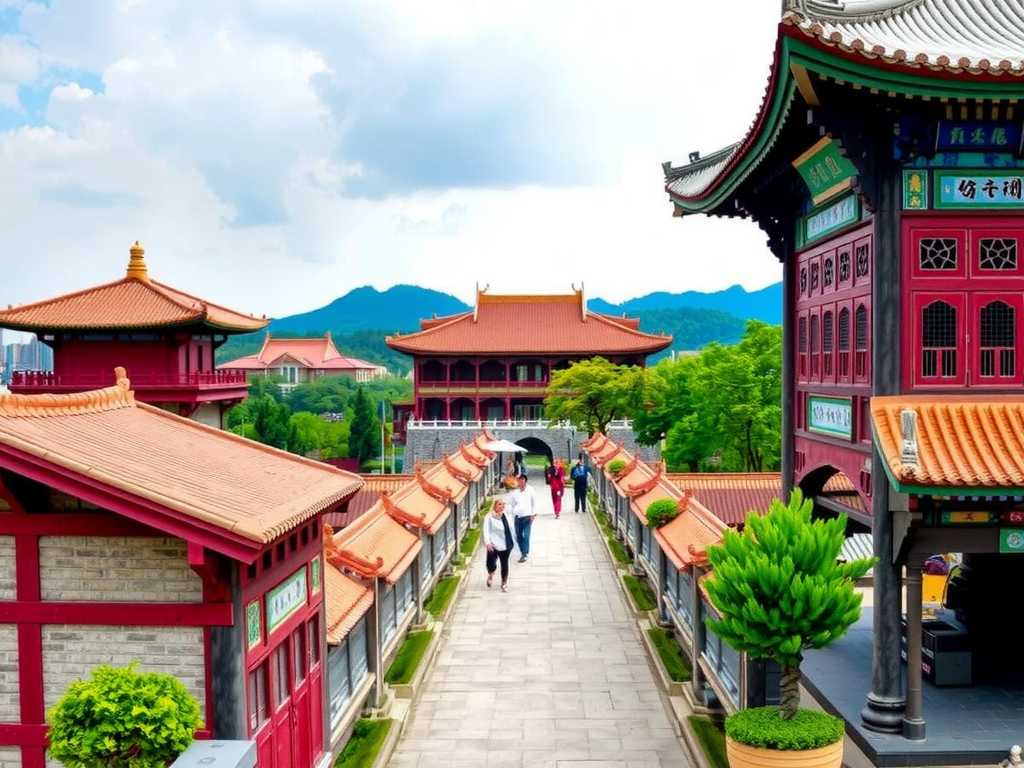
The Iconic Historical Wonders
No visit to China is complete without witnessing its monumental feats of ancient engineering and spiritual heritage. These sites are the bedrock of Chinese civilization.
The Great Wall: A Serpentine Marvel Across Mountains
Stretching over 13,000 miles, the Great Wall is more than a wall; it’s a symbol of perseverance. Forget the idea of a single, continuous structure—it’s a series of fortifications. For the best experience, head to Mutianyu. Less crowded than Badaling, it offers stunning, forested views and a thrilling toboggan ride down. For adventurous hikers, the unrestored “wild wall” sections at Jiankou provide raw, photogenic drama. As historian Dr. William Lindesay notes, “Each brick tells a story of defense, dynasty, and daily toil.”
The Forbidden City & Tiananmen Square: The Heart of Imperial Power
In Beijing’s center lies the world’s largest palace complex, the Forbidden City. Home to 24 emperors across the Ming and Qing dynasties, its 980 buildings house countless treasures. Walk along the central axis, marvel at the Hall of Supreme Harmony, and imagine the intricate rituals of court life. Just outside its gates, Tiananmen Square offers a vast, modern counterpoint. Visit at dawn to see the flag-raising ceremony for a poignant start to your day.
The Terracotta Army: An Emperor’s Eternal Guard
Discovered by farmers in 1974, this archaeological wonder in Xi’an is staggering. Thousands of life-sized, uniquely detailed clay soldiers, chariots, and horses stand in battle formation, guarding the tomb of China’s first emperor, Qin Shi Huang. Pit 1 is the most impressive, but don’t skip the smaller pits showcasing command structures and unearthed artifacts. It’s a powerful testament to one man’s ambition and the skill of ancient craftsmen.
The Breathtaking Natural Landscapes
China’s geography is as dramatic as its history. These natural attractions offer scenery that seems plucked from a classical painting.
Zhangjiajie National Forest Park: The Avatar Mountains
Towering sandstone pillars, shrouded in mist and topped with verdant greenery, make Zhangjiajie feel otherworldly. Indeed, it inspired the floating “Hallelujah Mountains” in the film Avatar. Explore the glass-bottomed Zhangjiajie Grand Canyon Bridge, ride the Bailong Elevator (the world’s tallest outdoor lift), and hike the Golden Whip Stream. The panoramic views from Tianzi Mountain are unforgettable, especially at sunrise.
The Li River & Karst Peaks of Guilin
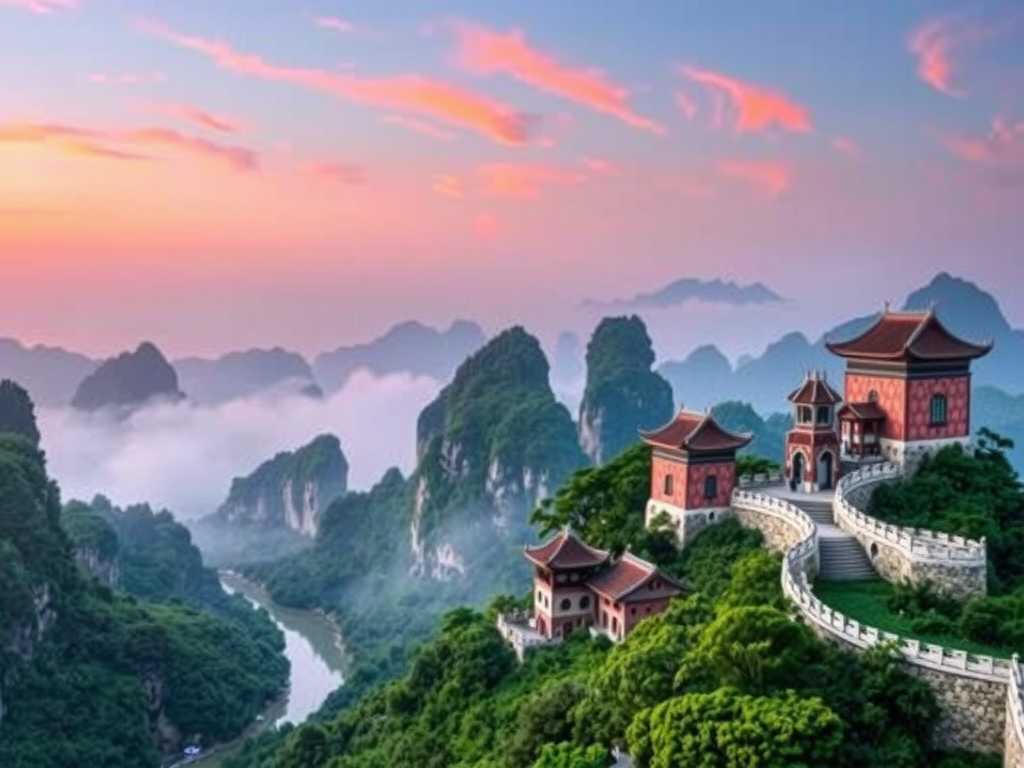
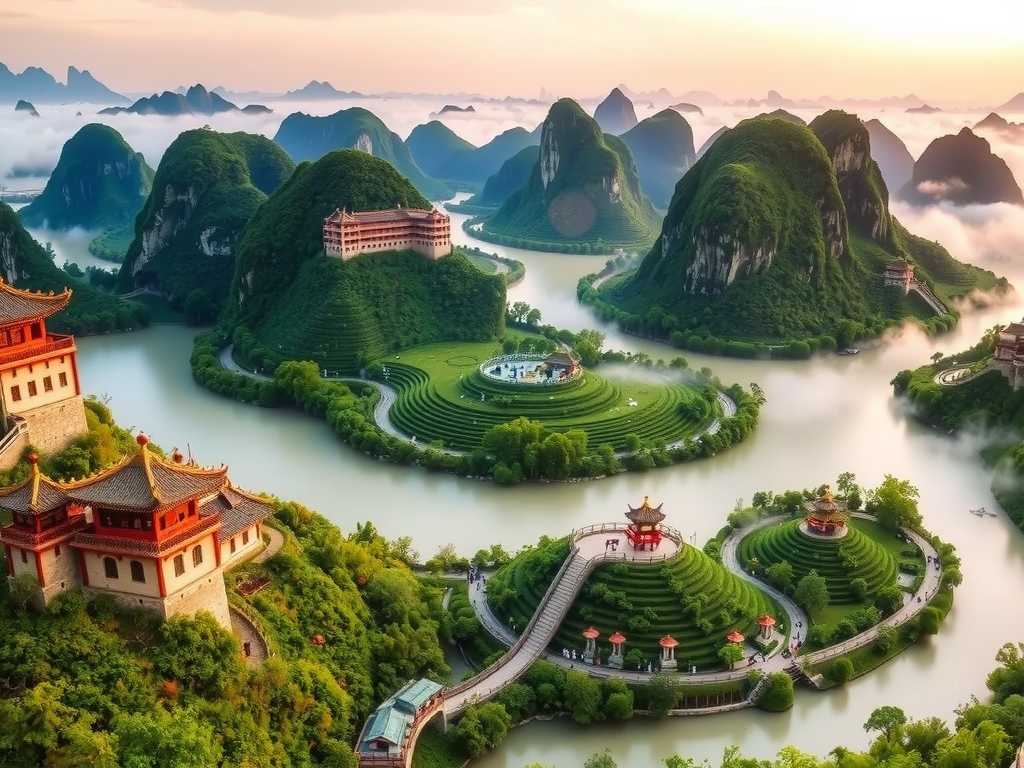
The poetic landscape of Guilin and Yangshuo is the classic image of Scenic China. A Li River cruise from Guilin to Yangshuo is essential. You’ll glide past water buffalo, bamboo groves, and fishermen with cormorants, all set against a backdrop of impossibly shaped karst limestone peaks. For an active adventure, rent a bicycle and explore the countryside paths or try bamboo rafting on the quieter Yulong River.
Jiuzhaigou Valley: A Symphony of Colorful Lakes
Located in Sichuan province, Jiuzhaigou is a UNESCO site renowned for its multi-hued, crystal-clear lakes, cascading waterfalls, and snow-capped peaks. The turquoise, blue, and green waters, caused by mineral deposits and reflected foliage, look surreal. Key spots include Five-Flower Lake, Pearl Shoal Waterfall, and the mirror-like Mirror Lake. It’s a pristine alpine environment that requires comfortable walking shoes and time to absorb its serene beauty.
The Cultural & Spiritual Highlights
Beyond the postcard icons, China’s soul resides in its living culture and spiritual sites.
The Potala Palace & Tibetan Culture in Lhasa
Perched atop Red Hill in Lhasa, the majestic Potala Palace is the spiritual and political heart of Tibetan Buddhism. Its white and red palaces contain countless chapels, tombs of past Dalai Lamas, and sacred artifacts. The atmosphere of devotion is palpable. Combine your visit with the Jokhang Temple, Tibet’s holiest site, and circle the Barkhor Street pilgrimage circuit with local devotees for an immersive cultural experience.
The Classical Gardens of Suzhou
Dubbed the “Venice of the East” for its canals, Suzhou is truly famous for its exquisite Classical Gardens. These are not mere flower gardens but profound works of art where miniature landscapes symbolize harmony between man and nature. The Humble Administrator’s Garden is the largest and most celebrated, with its elegant pavilions, winding waterways, and cleverly framed views. As the saying goes, “Gardens in the south are the finest under heaven, and Suzhou gardens are the finest among them.”
The Bund & Shanghai Skyline: A Tale of Two Eras
Shanghai presents a dazzling contrast. On the Bund, you walk along a museum of colonial-era architecture, buildings that speak of the city’s 1920s cosmopolitan past. Directly across the Huangpu River, the futuristic skyscrapers of Pudong, including the iconic Oriental Pearl Tower and Shanghai Tower, paint a vision of tomorrow. A night cruise on the river is the best way to see this spectacular light show, a perfect metaphor for China’s rapid transformation.
Planning Your Visit to China’s Top Attractions
To make the most of your trip, consider these practical tips. First, timing is crucial. Spring (April-May) and autumn (September-October) generally offer the most pleasant weather nationwide. Book major attractions like the Forbidden City or Terracotta Army tickets online in advance. For navigating the language barrier, have a translation app ready and learn a few basic Mandarin phrases. Finally, embrace high-speed rail—it’s efficient, comfortable, and offers a great way to see the countryside.
What is the best time of year to visit the Great Wall? Spring and autumn are ideal, with mild temperatures and clear skies. Summer can be hot and crowded, while winter offers a stark, beautiful, and less crowded experience, though it can be very cold.
Is it difficult to travel in China without speaking Mandarin? In major tourist cities and at top attractions, signs are often bilingual, and staff may speak basic English. However, a translation app is invaluable for menus, taxis, and more remote areas. Consider hiring a local guide for deep cultural sites.
How many days should I spend in China to see the highlights? A minimum of 10-14 days is recommended to cover the “Golden Triangle” of Beijing, Xi’an, and Shanghai comfortably. To add a major natural site like Guilin or Zhangjiajie, aim for at least 16-18 days to avoid feeling rushed.
Exploring China is a journey through layers of time, from ancient empires to cutting-edge cities, all woven together by landscapes of sublime beauty. This list of top tourist attractions provides a framework, but the real magic lies in the moments in between—the taste of a local dish, a shared smile, the quiet awe in a hidden temple courtyard. Start with these iconic destinations, and you’ll begin to unravel the magnificent, complex tapestry that is Scenic China. Your adventure awaits.

发表评论