 admin
admin China’s Scenic Gems: A Traveler’s Guide to the Nation’s Favorites
Planning a trip to China can feel overwhelming. With a landmass so vast and a history spanning millennia, how do you choose where to go beyond the well-trodden path of the Great Wall and the Forbidden City? The real magic of travel here lies in discovering China’s scenic gems—those breathtaking landscapes and cultural treasures that leave a lasting impression. This guide cuts through the noise to bring you the authentic traveler favorites, from misty mountains and ancient villages to vibrant modern marvels.
The Undisputed Classics: China’s Must-See Landscapes
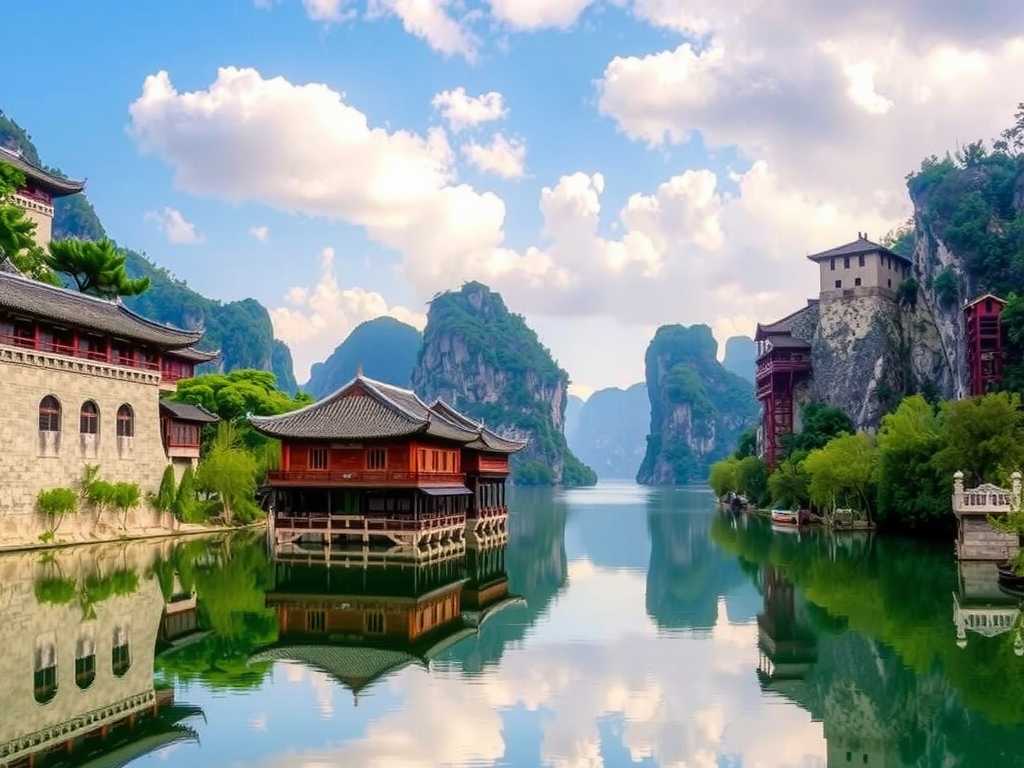
Every traveler’s list of China’s scenic gems begins with its iconic, picture-perfect landscapes. These are the places that define postcards and dreams, and for good reason.

The Avatar Mountains of Zhangjiajie Rising like stone pillars from a sea of mist, the quartz-sandstone peaks of Zhangjiajie National Forest Park in Hunan province seem plucked from a fantasy novel. In fact, they inspired the floating Hallelujah Mountains in the film Avatar. The best way to experience this UNESCO World Heritage Site is by walking the vertigo-inducing glass bridges, riding the Bailong Elevator built into a cliff face, and hiking through the lush, primeval forests. As noted by travel photographer Liam Carter, “No photo can prepare you for the scale and surreal beauty of Zhangjiajie. It’s a true geological wonder.”
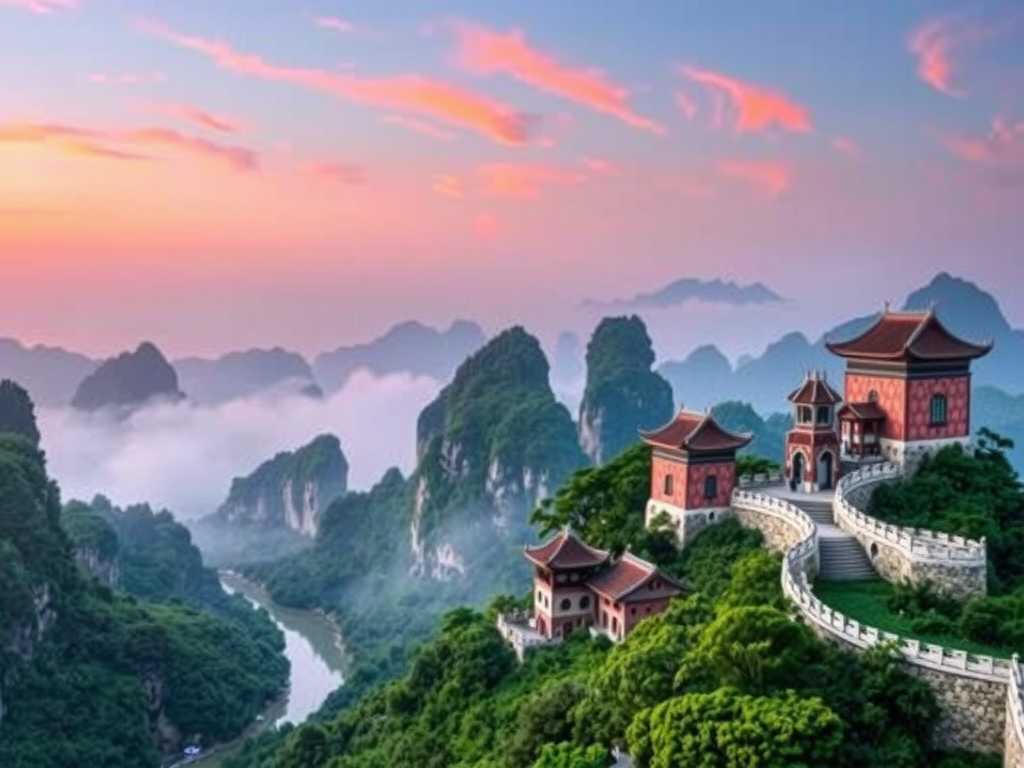
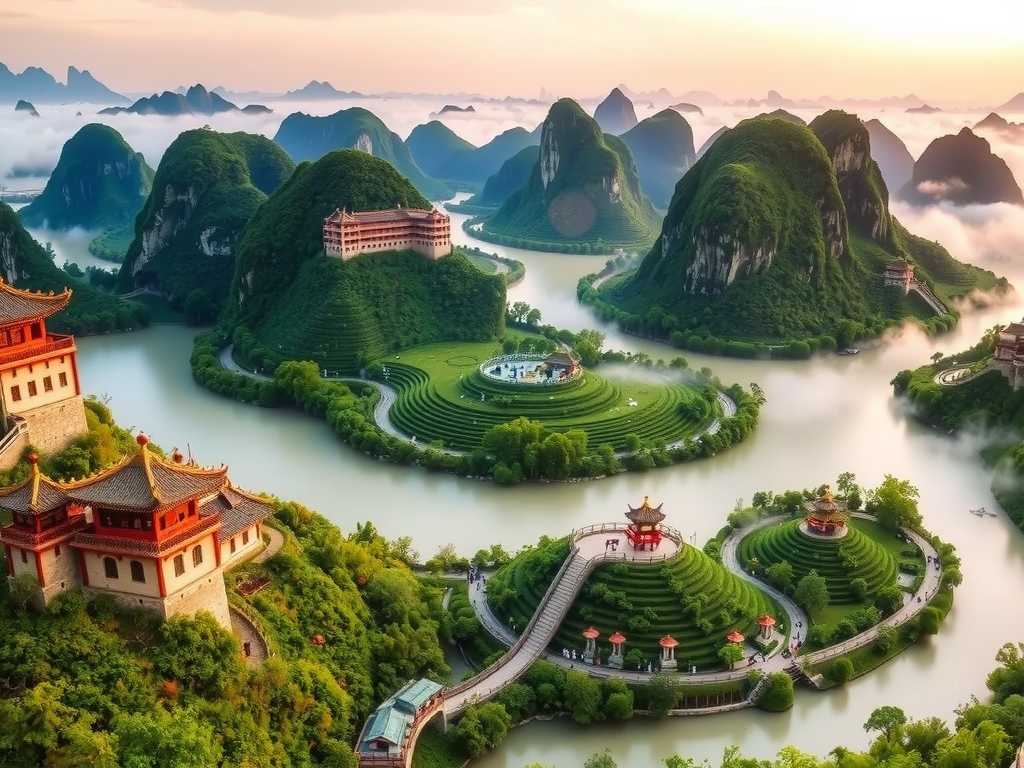
The Li River’s Painted Scroll The serene cruise from Guilin to Yangshuo along the Li River is a journey through a classical Chinese painting. Karst mountains draped in greenery reflect on the jade-green water, while fishermen and water buffalo dot the shores. It’s an immersion in timeless rural scenery. For the active traveler, cycling through the Yangshuo countryside offers an intimate, up-close view of these scenic gems.
The Rainbow Mountains of Zhangye Located in Gansu province, the Zhangye Danxia Landform Geological Park is a spectacular display of nature’s artistry. The mountains here are striped in vibrant hues of red, yellow, blue, and green—a result of mineral deposits and sandstone erosion over 24 million years. The colors are most dramatic at sunrise or sunset, transforming the hills into a glowing, otherworldly canvas.
Beyond Nature: Cultural and Historical Treasures
China’s beauty isn’t confined to its natural landscapes. Its rich history has cultivated unique cultural scenic gems where tradition and architecture create unforgettable atmospheres.
The Ancient Water Towns of the Yangtze Delta Step back in time in towns like Zhouzhuang, Xitang, or Wuzhen. Often called the “Venice of the East,” these towns are crisscrossed by canals, with whitewashed houses, stone bridges, and cobbled lanes. Gliding through the waterways on a wooden boat offers a peaceful respite from modern city life. According to a 2023 report by the China Tourism Academy, these water towns consistently rank among the top destinations for cultural immersion sought by international visitors.
The Potala Palace, Lhasa Perched high atop Red Hill in Lhasa, Tibet, the majestic Potala Palace is a monumental feat of architecture and a profound spiritual center. Its towering white and maroon walls house countless chapels, sacred artifacts, and tombs of past Dalai Lamas. Visiting requires respect and acclimatization to the altitude, but the experience of witnessing this iconic symbol of Tibetan Buddhism is unparalleled.
The Terracotta Army, Xi’an An archaeological marvel, the Terracotta Army in Xi’an guards the tomb of China’s first emperor, Qin Shi Huang. Discovered in 1974, the thousands of life-sized, uniquely detailed soldiers, horses, and chariots represent one of the greatest finds of the 20th century. Walking alongside the excavation pits gives you a tangible connection to ancient China’s power and artistry.
Modern Marvels and Urban Wonders
China’s rapid development has created a new category of scenic gems—futuristic cityscapes that dazzle the senses.
The Skyline of Hong Kong The view of Victoria Harbour, with the forest of skyscrapers on Hong Kong Island backed by lush peaks, is one of the world’s most iconic urban vistas. Take the Star Ferry for a classic perspective, or hike up Victoria Peak for a breathtaking panorama. The Symphony of Lights show each evening turns the skyline into a dazzling spectacle.
The Bund and Pudong, Shanghai Shanghai perfectly encapsulates China’s past and future. On one side of the Huangpu River, The Bund showcases grand European-style colonial architecture. Directly opposite, the Pudong district presents a jaw-dropping array of futuristic towers, including the Shanghai Tower and the Oriental Pearl TV Tower. This stark contrast is a sight to behold day or night.
Planning Your Journey to China’s Scenic Gems
To make the most of your adventure, practical planning is key. China is vast, so focus on one or two regions per trip. For classic landscapes, combine Zhangjiajie with Guilin. For culture and history, link Xi’an with a water town near Shanghai. The best times to visit are generally spring (April-May) and autumn (September-October) for pleasant weather. Always check visa requirements well in advance and consider using apps like Trip.com for domestic travel and Didi for ride-hailing. Learning a few basic Mandarin phrases will greatly enhance your experience and connection with locals.
What is the best time of year to visit Zhangjiajie and avoid crowds? Late September through early November offers clear, comfortable weather and stunning autumn colors. While still popular, it’s less crowded than the peak summer holidays. Early April, when the spring mist shrouds the peaks, is also magical but can be busier during the Qingming Festival.
Are the ancient water towns too commercialized for an authentic experience? While the main streets can be busy, authenticity lies in timing and exploration. Stay overnight in a traditional guesthouse. Wander the back alleys early in the morning before the day-trippers arrive or in the evening after they’ve left. Smaller towns like Xitang’s quieter lanes still offer a genuine glimpse into canal life.
Is it difficult to travel to Tibet as a foreign tourist? Yes, it requires extra planning. Foreign travelers must obtain a Tibet Travel Permit, which is arranged through a registered tour agency as part of a guided group or private tour. Independent travel is not permitted. The process takes time, so plan your trip several months in advance and be prepared for the high altitude.
From the ethereal peaks of Zhangjiajie to the silent watch of the Terracotta Army and the pulsating energy of Shanghai’s skyline, China offers a staggering diversity of experiences. These scenic gems, both ancient and modern, natural and man-made, form a tapestry that is endlessly fascinating to explore. By venturing beyond the major cities, you’ll discover the soul of this incredible country and create memories that resonate long after your journey ends. Start planning your route, embrace the adventure, and prepare to be amazed.
发表评论