 admin
admin Beyond the Great Wall: Your Guide to Discovering Hidden Scenic Spots in China
You've seen the postcards. The Forbidden City, the Terracotta Army, the Li River – China's iconic landmarks are breathtaking, yet they often come with crowds that can overshadow the wonder. If you're yearning for authentic landscapes, serene moments, and the thrill of discovery away from the well-trodden tourist trail, you're in the right place. This guide is dedicated to helping you discover hidden scenic spots in China, transforming your journey from a standard itinerary into a personal adventure.
The real magic of China lies not just in its famous sites, but in its vast, diverse, and often overlooked corners. Finding these places, however, requires a shift in mindset and some local know-how. Let's unlock the secrets together.

Rethinking Your Travel Blueprint
The first step to uncovering China's hidden gems is to move beyond the major hubs. While Beijing, Shanghai, and Xi'an are fantastic gateways, the true scenic treasures are found in the spaces between.
Embrace Regional Diversity: China is a continent masquerading as a country. Instead of a "top 10 cities" tour, consider focusing on a specific region. Are you drawn to the otherworldly karst landscapes of the southwest, the ancient villages of the Huizhou region, or the alpine meadows of the Tibetan Plateau? Choosing a region allows for deeper exploration.
The Power of Secondary Cities: Fly into a major city, then immediately take a high-speed train to a smaller base. For instance, rather than spending all your time in Chengdu, use it as a launchpad for the surrounding Sichuan countryside. Cities like Kunming (Yunnan), Guilin (Guangxi), or Zhangjiajie (Hunan) are perfect springboards into areas brimming with lesser-known natural beauty.
Your Toolkit for Unearthing the Unknown
With the right resources, you can pinpoint locations that most travel agencies never promote.
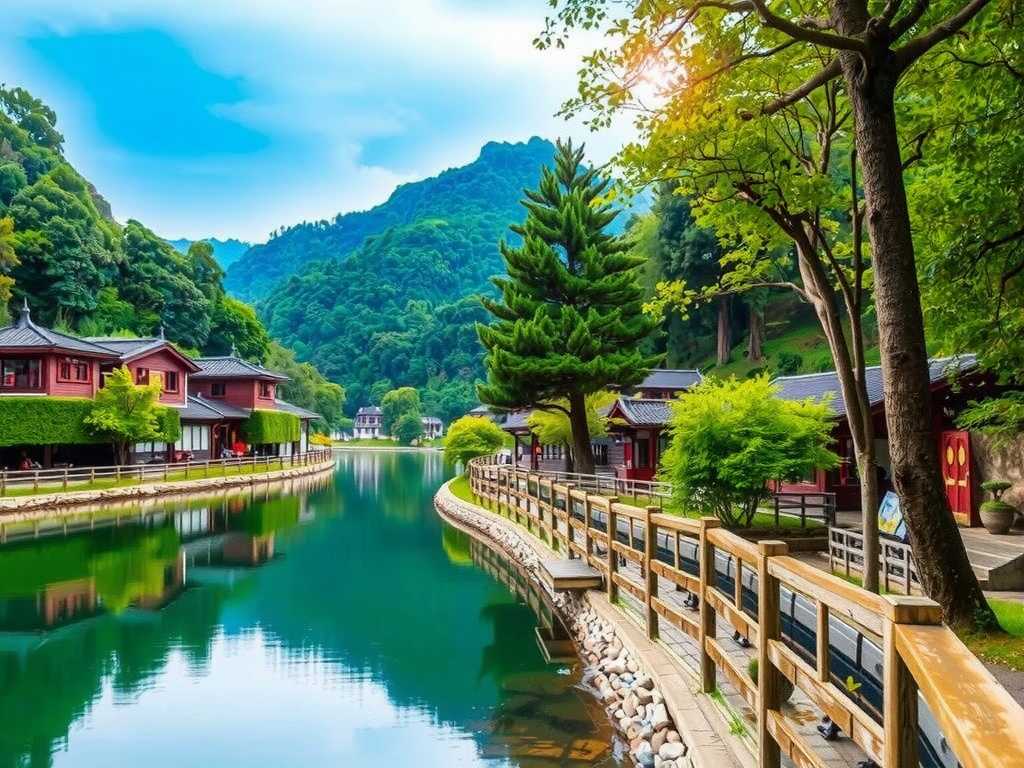
Go Digital, But Go Deep:
- Chinese Social Media: Platforms like Xiaohongshu (Little Red Book) and Douyin (TikTok) are goldmines. Use the Chinese name of a province or region plus keywords like "小众" (xiǎozhòng, meaning niche/lesser-known) or "秘境" (mìjìng, secret place). The geotags and visual content lead to real, recent discoveries.
- Specialized Forums & Blogs: International forums like TripAdvisor have hidden gems in their forum sections. More effectively, seek out blogs by expats living long-term in China or dedicated hiking and photography blogs focused on Asia. As noted by travel researcher Mark Phillips in his Off-Path Asia report, "The most reliable information on inaccessible sites often comes from niche online communities sharing firsthand, experiential data."
Connect with Local Experts:
- Local Tour Guides & Drivers: Hiring a local driver or guide for a day-trip from a smaller city can be invaluable. They know the backroads, the unnamed viewpoints, and the villages that time forgot. Express your desire to see "non-touristy" places.
- Homestays & Boutique Guesthouses: Stay in family-run guesthouses in rural areas. The owners are your best source of hyper-local information. They can recommend a nearby waterfall, a sunrise spot over the rice terraces, or a local festival.
Hidden Scenic Spots in China: A Regional Sampler
Here are a few concrete examples to inspire your itinerary, moving from the more accessible to the truly remote.
The Karst Beyond Yangshuo: Xingping and Fuli
While Yangshuo is famous, a short drive up the Li River brings you to Xingping. Here, you'll find the iconic scenery on the 20 RMB note without the crowds. Rent a bicycle and explore the riverbank paths and ancient fishing villages. The nearby town of Fuli is known for its painted fans and offers a quieter, more authentic riverside experience.
The Fairy-Tale Mountains of Anhui: Bishan Village & Huangshan's Backside
Everyone visits the Hongcun and Xidi villages and the front ranges of Huangshan. For a hidden alternative, seek out Bishan Village in rural Anhui. It's a revitalized ancient village with blue-tiled houses, winding streams, and rice fields, offering a slice of idyllic countryside life. For Huangshan, consider hiking the less-traveled West Sea Grand Canyon or exploring the often-ignored Huashan Mystic Scenic Area at its base.
The Tibetan Plateau's Secret Valleys: Nixi & Shangri-La's Hinterlands
In Yunnan's Diqing Prefecture, beyond the town of Shangri-La, lies the Nixi Valley. This area is home to ancient Tibetan villages, terraced fields, and stunning views of the Balagezong Snow Mountains. It requires a bit more effort to reach but offers an immersive cultural and scenic experience far from the renovated old town. Always travel respectfully in these culturally sensitive and high-altitude regions.
Traveling Responsibly and Safely
Discovering hidden places comes with responsibility.
- Leave No Trace: This is paramount. Take all your waste with you, stay on designated paths, and avoid disturbing wildlife.
- Respect Local Customs: You are a guest. Dress modestly when visiting villages or temples, ask permission before taking portraits of people, and be mindful of local traditions.
- Prepare Logistically: Many hidden spots have limited facilities. Carry cash, water, snacks, and any necessary medications. Inform someone of your plans if venturing far off-grid. Ensure you have the correct permits for restricted border or alpine areas.
How do I find the Chinese names for these hidden spots to search online? Start with the English or known name and use a reliable translation tool or Wikipedia to find the standard Mandarin Chinese pinyin and characters. For example, search "Bishan Village Anhui" to find its Chinese name: 碧山村 (Bìshān Cūn). Cross-reference this on maps.
Is it safe to travel to remote areas in China as a foreigner? Generally, yes. China is a very safe country in terms of personal security. The primary considerations are logistical: reliable transportation, communication (having a working phone with translation apps), altitude sickness, and weather conditions. Always check travel advisories and register with your embassy if going to extremely remote regions.
What's the best season to visit these off-the-beaten-path locations? It varies drastically by region. Southwest China (Yunnan, Guizhou, Sichuan) is often best in spring (April-May) or autumn (September-October) for mild weather. Northern and high-altitude areas have a very short optimal window from June to early September. Always research local microclimates, as the rainy season can make some rural roads impassable.
The journey to discover hidden scenic spots in China is as rewarding as the destinations themselves. It invites you to engage more deeply with the landscape, the culture, and your own sense of adventure. By shifting your focus from checklist tourism to curious exploration, you'll not only witness stunning beauty but also collect stories and memories that are uniquely yours. The hidden China is waiting—quiet, majestic, and profoundly real. Start planning your detour today.






发表评论