 admin
admin China’s Scenic Highlights: Your Ultimate Travel Guide

Planning a trip to China can feel overwhelming. With a landmass rivaling a continent and thousands of years of history, how do you even begin to choose where to go? You’re searching for those iconic, breathtaking experiences—the China’s scenic highlights that define this vast country—but the information is fragmented. This guide cuts through the noise. We provide a curated, practical roadmap to China’s most stunning landscapes and cultural treasures, helping you craft an unforgettable journey.
Understanding China’s Geographic Diversity
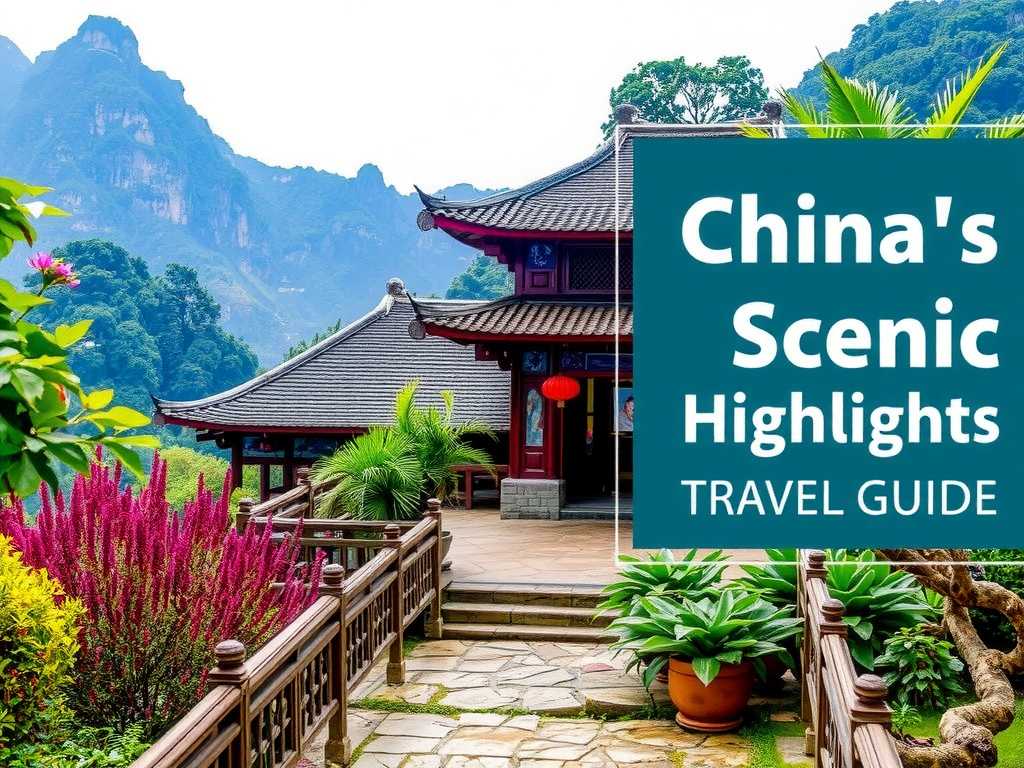
China’s sheer size creates an incredible array of environments. To travel wisely, it helps to think of the country in distinct scenic regions, each offering a unique flavor and best visited at specific times.
The Classical Heartland: History and Iconic Landscapes This region, encompassing Beijing, Xi’an, and the Yellow Mountain area, is where you’ll find China’s most famous postcard scenes.
- The Great Wall: Stretching over mountains, this is a non-negotiable highlight. For the best scenic photos and fewer crowds, skip Badaling. Opt for Mutianyu for family-friendly access or Jinshanling for a more rugged, photogenic hike. As historian Dr. Lin Wei notes, “The Wall’s power lies not in a single point, but in seeing it snake endlessly over precipitous ridges—a true testament to human endeavor against nature’s canvas.”
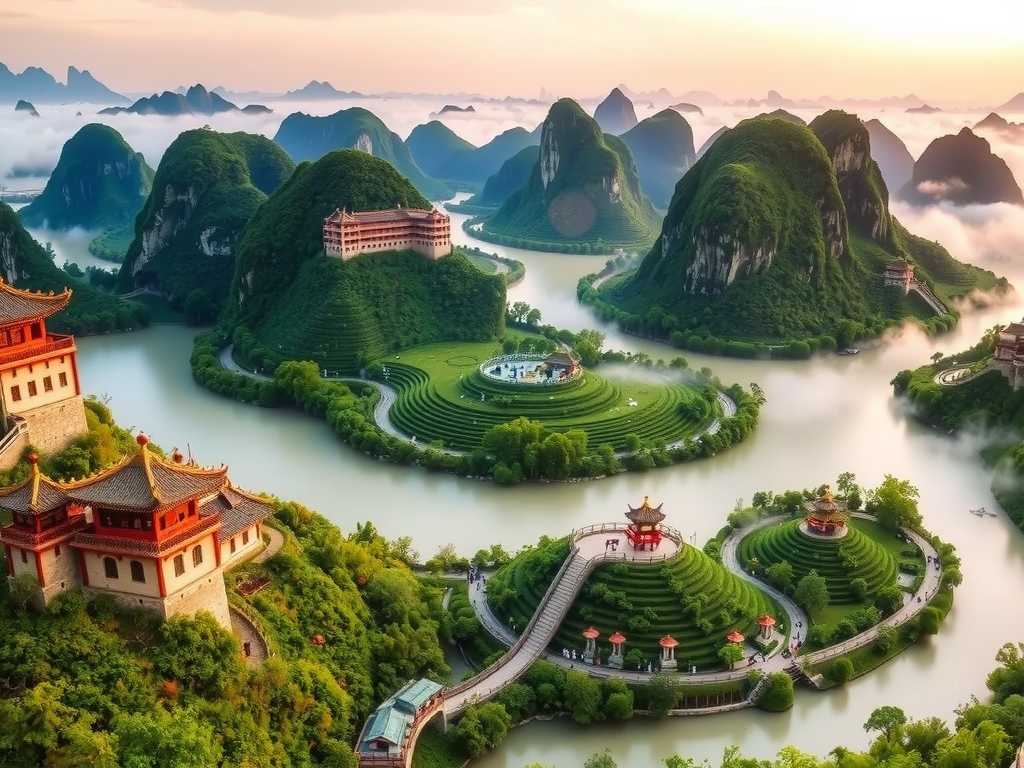
- The Li River & Karst Peaks: Located near Guilin and Yangshuo, this is the landscape of classical Chinese paintings. A leisurely Li River cruise from Guilin to Yangshuo offers front-row seats to towering limestone karsts shrouded in mist. For active travelers, cycling through the Yulong River valley provides an intimate, ground-level perspective.
- Yellow Mountain (Huangshan): Renowned for its “sea of clouds,” peculiarly shaped granite peaks, and ancient pine trees. Sunrise here is a legendary experience. Be prepared for stairs and variable weather—the mist that creates the magical atmosphere can also obscure views.
The Rugged West: Epic Vistas and Tibetan Culture For raw, untamed natural beauty, look to China’s western provinces like Sichuan, Yunnan, and Tibet.
- Zhangjiajie National Forest Park: The inspiration for the floating Hallelujah Mountains in Avatar. Thousands of quartz-sandstone pillars rise dramatically from the forest floor. Walking the glass-bottomed skywalks here is not for the faint of heart.
- Jiuzhaigou Valley: A UNESCO site in Sichuan, famed for its crystal-clear, multi-colored lakes, waterfalls, and snow-capped peaks. After a 2017 earthquake, the park underwent significant restoration and has reopened with daily visitor limits to protect its fragile ecosystem, according to the 2023 China Ecotourism Report.
- The Tibetan Plateau: Offering spiritual and visual grandeur, highlights include Lhasa’s Potala Palace and the sacred Mount Kailash. The journey along the Friendship Highway to Everest Base Camp (Tibetan side) presents some of the planet’s most staggering high-altitude vistas.
The Subtropical South: Water Villages and Rice Terraces Provinces like Zhejiang, Jiangxi, and Guangxi offer a softer, lyrical beauty.
- The Yuanyang Rice Terraces: In Yunnan, these are a masterpiece of agricultural landscaping. Carved into the Ailao Mountains by the Hani people over centuries, they turn into vast mirrors of sky at sunrise during the spring watering season.
- The Water Towns: Places like Zhouzhuang or Wuzhen near Shanghai, with canals, ancient stone bridges, and whitewashed houses, offer a glimpse into China’s serene canal-based culture.
Planning Your Journey to China’s Scenic Wonders
Loving the photos is one thing; successfully visiting these spots is another. Strategic planning is essential.
Best Times to Visit for Optimal Scenery Timing is everything for scenery and comfort.
- Spring (April-May) and Autumn (September-October): These are universally the best seasons. You’ll enjoy mild temperatures, clear skies, and vibrant colors—spring blossoms or autumn foliage. This is ideal for the classical heartland and western parks.
- Summer (June-August): Can be hot, humid, and crowded with domestic tourists. However, it’s the perfect time for the Tibetan Plateau and northern grasslands. Be mindful of the rainy season in southern China.
- Winter (November-March): Cold in the north, but you’ll find stark beauty and few crowds at the Great Wall or Harbin’s Ice Festival. Southern regions like Yunnan remain relatively mild and accessible.
Navigating Logistics and Permits Accessing some highlights requires extra steps.
- Transportation: China’s high-speed rail network is efficient for connecting major cities. For remote scenic areas, domestic flights or hired private drivers are often necessary.
- Tibet Travel Permit: Travel to the Tibet Autonomous Region (TAR) requires an organized tour and a government-issued permit, which your tour operator will arrange. This does not apply to other Tibetan cultural areas in Sichuan, Yunnan, or Qinghai.
- Park Tickets and Bookings: Major attractions now use online real-name booking systems. Your guide or hotel can often assist, but booking several days in advance for places like the Forbidden City or Jiuzhaigou is crucial.
Embracing Sustainable and Cultural Travel
As visitor numbers to fragile ecosystems grow, responsible travel is paramount.
- Stay on Designated Paths: This protects both natural formations and historical sites. The erosion caused by shortcutting can be irreversible.
- Support Local Communities: Choose homestays in ethnic villages, hire local guides, and purchase crafts directly from artisans. This ensures tourism revenue benefits the community preserving the culture you came to see.
- Mind Cultural Norms: At religious sites like monasteries, dress modestly and ask permission before photographing people. A little respect goes a long way.
What is the single most scenic place in China? There is no single answer, as it depends on your preference. For iconic historical grandeur, the Great Wall at Mutianyu or Jinshanling is unparalleled. For pure, surreal natural beauty, Zhangjiajie’s pillar peaks or Jiuzhaigou’s lakes are breathtaking. For cultural and spiritual landscape fusion, the Tibetan Plateau is unmatched.
How many days do I need to see the main highlights? A well-paced trip covering 3-4 major regions requires a minimum of 2-3 weeks. For example, a 10-day trip could cover Beijing (Great Wall, Forbidden City), Xi’an (Terracotta Army), and Guilin (Li River). Adding western destinations like Sichuan or Yunnan easily extends the itinerary to 3 weeks.
Is it difficult for English speakers to travel to these scenic areas independently? In major cities and tourist hubs, basic English is common, and translation apps work well. However, in remote scenic areas, English signage and spoken English can be minimal. For a seamless, deep experience—especially in western China—using a reputable local tour operator or hiring a private guide for specific day trips is highly recommended. They handle logistics, translation, and provide invaluable cultural context.
China’s scenic highlights offer a journey through both profound natural beauty and living history. From the stone dragons of the Great Wall to the mirrored terraces of Yuanyang, each landscape tells a story. Success lies in thoughtful regional focus, mindful timing, and a spirit of respectful exploration. With this guide as your starting point, you’re ready to move beyond the dream and into the reality of an extraordinary Chinese adventure.


发表评论