 admin
admin Discover China's Most Beautiful Scenic Sites: Your Ultimate Travel Guide
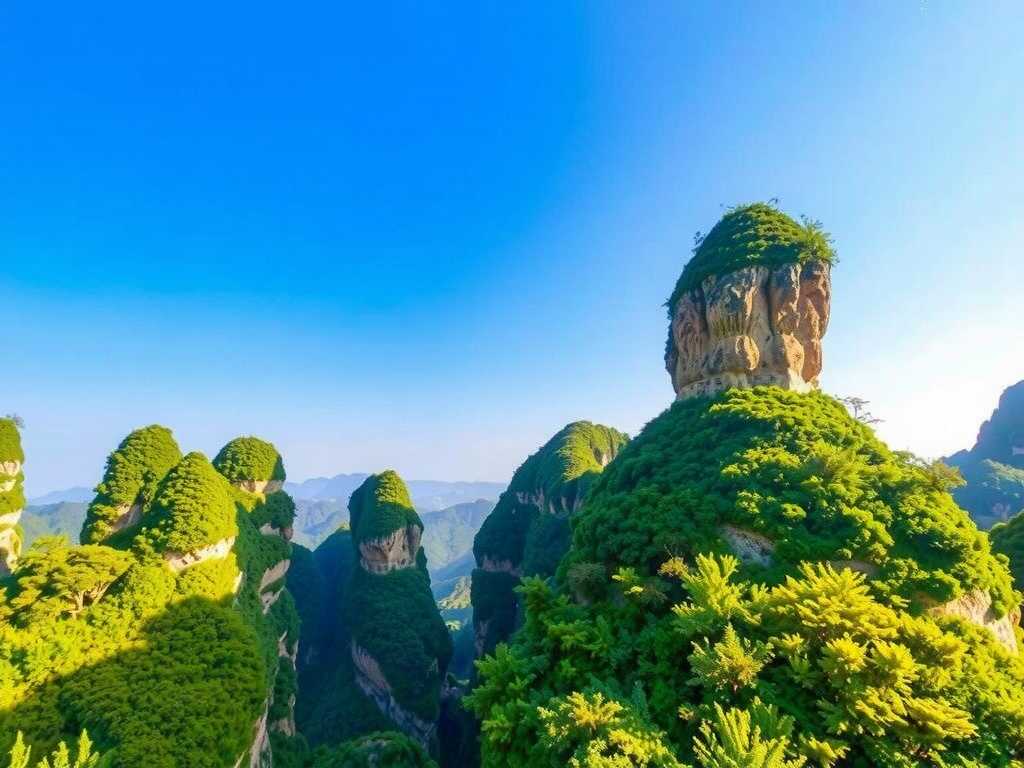
Planning a trip to China can feel overwhelming. With a landmass so vast and a history spanning millennia, how do you choose where to go to witness its most breathtaking beauty? You want more than just famous landmarks; you seek those awe-inspiring moments—standing on a mountain ridge above a sea of clouds, drifting down a serene river through karst peaks, or walking through ancient villages untouched by time. This guide is crafted to solve that exact problem. We will navigate beyond the usual itineraries to explore the truly spectacular scenic sites across China, helping you plan an unforgettable journey that captures the soul-stirring landscapes this ancient country is famous for.
Understanding China's Diverse Landscapes
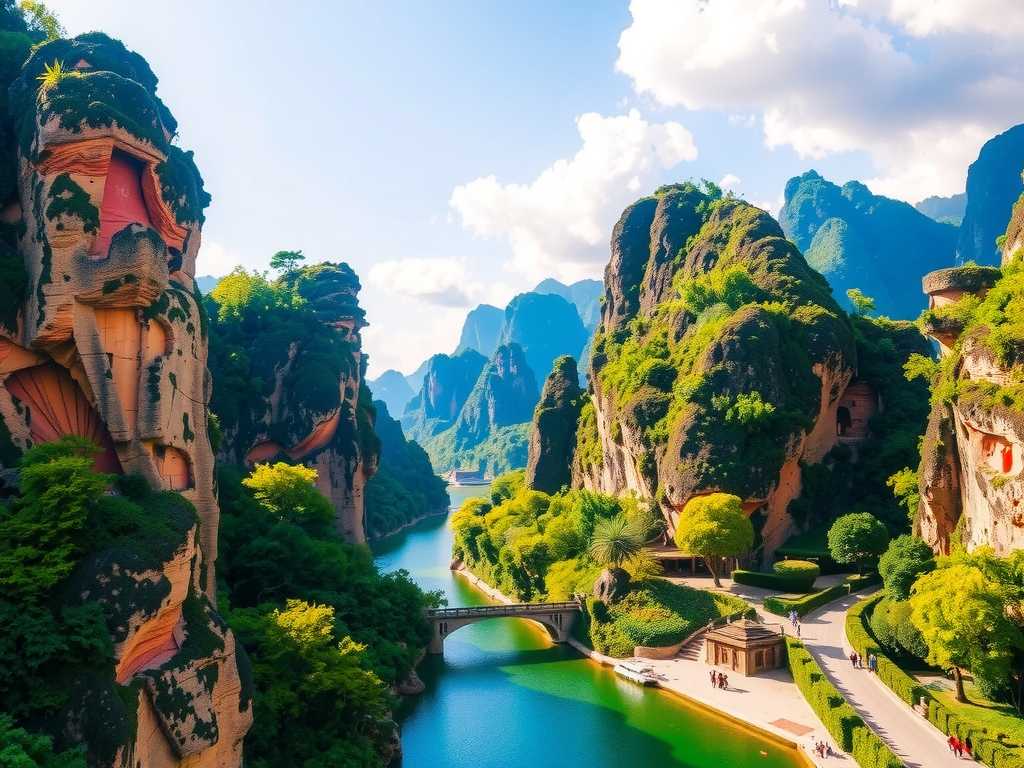
China's geographical tapestry is incredibly diverse, offering a distinct type of scenic beauty in every region. From the arid deserts of the northwest to the lush waterways of the south, understanding these zones is the first step in planning your visit.
The eastern part of the country is dominated by rolling hills, fertile plains, and dramatic coastal scenery. Here, you'll find the iconic Yellow Mountains (Huangshan) and the picturesque Li River. Moving west, the terrain rises to form the towering Tibetan Plateau, home to some of the world's highest and most remote peaks. The southwestern region is a showcase of karst topography, with limestone formations creating surreal landscapes, while the northern territories offer vast grasslands and historical wonders like the Great Wall set against rugged backdrops.
Top Tier: China's Must-See Natural Wonders
This section delves into the crown jewels of China's natural heritage. These are the places that define scenic grandeur and offer experiences that stay with you for a lifetime.
The Ethereal Peaks of Huangshan Often called the "loveliest mountain of China," the Yellow Mountains in Anhui province are the quintessential representation of Chinese landscape painting come to life. The beauty here is defined by four key elements: peculiarly shaped granite peaks, ancient, gnarled pine trees, a perennial "sea of clouds," and hot springs. A visit is about embracing the hike—whether you ascend on foot or take a cable car—to witness sunrise from a vantage point like Bright Summit Peak. The ever-shifting mists transform the view by the minute, creating a truly ethereal and poetic atmosphere. As noted by travel historian and author Dr. Mei Lin, "Huangshan isn't just a mountain range; it's a cultural icon that has inspired poets and artists for over a thousand years, making a visit a journey through both natural and artistic history."
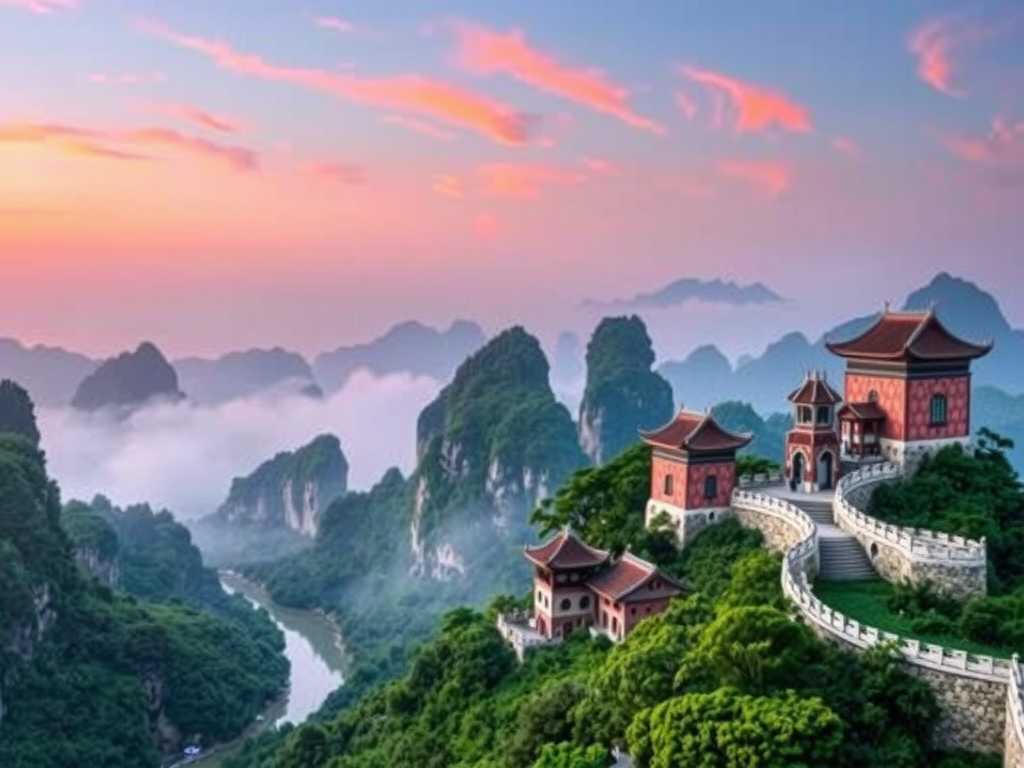
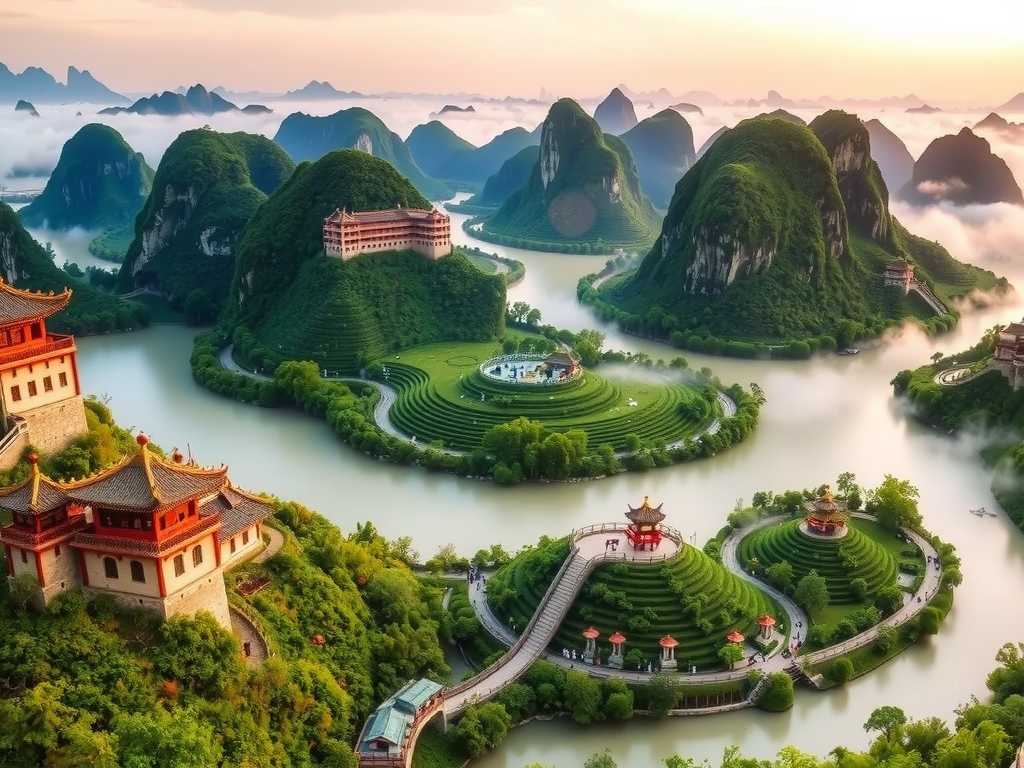
The Karst Majesty of Guilin and Yangshuo The phrase "East or west, Guilin landscape is best" is deeply ingrained in Chinese culture for a reason. The scenery along the Li River from Guilin to Yangshuo is a masterpiece of karst geology. Imagine serene waters reflecting towering limestone pillars shrouded in greenery. The best way to experience this is on a leisurely cruise. For a more intimate encounter, rent a bicycle in Yangshuo and explore the countryside, weaving through rice paddies and past local villages with these dramatic peaks as your constant backdrop. It’s a gentle, immersive way to connect with a landscape that feels both grand and peaceful.
The Otherworldly Zhangjiajie National Forest Park If you've ever seen the movie Avatar, you've had a glimpse of Zhangjiajie in Hunan province. The park's towering sandstone pillars, some over 200 meters tall, rise from the forest floor like skyscrapers, often wreathed in fog. Walking across the vertigo-inducing glass bridge or taking the Bailong Elevator built into the side of a cliff are experiences in themselves. This landscape feels ancient and alien, offering some of the most unique and photogenic scenic sites in all of China.
The Alpine Splendor of Jiuzhaigou Valley Located in Sichuan province, Jiuzhaigou is a nature reserve famed for its multi-level waterfalls, colorful lakes, and snow-capped peaks. The water here is unbelievably clear and takes on stunning shades of turquoise and emerald due to mineral deposits. Walking the well-maintained boardwalks feels like stepping into a fairy tale. Each season paints the valley in different colors, from vibrant autumn hues to the stark, frozen beauty of winter. It’s a pristine ecosystem that highlights nature's delicate artistry.
Hidden Gems and Cultural Landscapes
Beyond the world-famous names, China holds countless lesser-known treasures where stunning scenery is interwoven with deep cultural heritage.
The Terraced Fields of Yuanyang In southern Yunnan, the Hani people have sculpted the Ailao Mountains over centuries into a breathtaking canvas of terraced fields. These are not just farmland; they are a monumental engineering feat and a work of art. The best time to visit is from December to April, when the paddies are filled with water, creating mesmerizing mirrors that reflect the sky and clouds, especially at sunrise and sunset. The sight of light dancing across thousands of tiered mirrors is utterly magical.
The Ancient Water Towns of Zhejiang For a different pace, the canal towns like Wuzhen and Xitang near Shanghai offer a glimpse into China's watery past. Stone bridges arch over quiet canals, traditional black-and-white houses line the banks, and narrow cobbled alleyways invite exploration. The beauty here is subtle and historical. Take a boat ride at dusk when the red lanterns are lit, and you'll feel transported back to ancient China.
The Rainbow Mountains of Zhangye The Danxia landforms in Zhangye, Gansu province, look like something from another planet. These mountains display striking stripes of red, yellow, blue, and green, caused by mineral deposits and sandstone erosion over 24 million years. The best light for photography is at sunset or sunrise when the low angle of the sun intensifies the colors, making the hills look like they are on fire. It’s a powerful reminder of the earth's geological history.
Practical Tips for Visiting China's Scenic Sites
To ensure your trip is as smooth and rewarding as the landscapes are beautiful, a bit of planning is essential.
- Best Times to Visit: Generally, spring (April-May) and autumn (September-October) offer the most comfortable weather and clearest skies nationwide. However, some locations have specific prime seasons (e.g., Yuanyang's flooded terraces in winter, Jiuzhaigou's autumn colors).
- Travel Logistics: Domestic flights and China's extensive high-speed rail network are efficient ways to cover large distances. For remote areas, joining a small tour group or hiring a private driver can save significant time and hassle.
- Permits and Regulations: Some regions, like parts of Tibet and areas near borders, require special travel permits arranged in advance through authorized agencies. Always check the latest requirements for your specific destinations.
- Respectful Tourism: Many of these sites are fragile ecosystems or living cultural spaces. Stay on marked paths, dispose of waste properly, and be respectful when photographing local residents. Your mindfulness helps preserve these places for future visitors.
Frequently Asked Questions
What is the most beautiful place in China? While beauty is subjective, the Yellow Mountains (Huangshan) consistently top both domestic and international lists for their iconic, painterly scenery that embodies the traditional Chinese aesthetic of mountain beauty. It remains the benchmark for many travelers.
Is it difficult for English speakers to travel to these scenic areas? In major tourist destinations like Guilin, Zhangjiajie, and Huangshan, key signage is often in English, and major hotels have English-speaking staff. In more remote areas, language can be a barrier. Using translation apps, booking through a tour operator, or hiring a local guide is highly recommended to enhance your experience and navigate smoothly.
How should I budget for a trip to these sites? Costs vary greatly. Entrance fees for national parks can be significant (e.g., Zhangjiajie, Jiuzhaigou). Budget-friendly travel is possible using public transport and guesthouses, while a more comfortable trip with private guides, domestic flights, and 4-star hotels will naturally cost more. Prioritize the destinations that matter most to you and allocate your budget accordingly.
Exploring China's most beautiful scenic sites is a journey of constant wonder. It moves from the serene poetry of water and mountains in Guilin to the dramatic, earth-defying pillars of Zhangjiajie, and from the colorful geological wonder of Zhangye to the intricate human-made landscapes of Yuanyang. Each destination offers a unique dialogue between nature, history, and culture. With thoughtful planning and an open mind, your trip will be filled with those profound moments of beauty you seek, creating memories that are as enduring as the landscapes themselves. Start planning your route, and prepare to be amazed.

发表评论