 admin
admin Explore China’s Scenic Gems: Culture & Nature
Planning a trip to China can feel overwhelming. The country is vast, and its offerings are incredibly diverse. Many travelers struggle to move beyond the well-trodden path of major cities, wondering how to authentically experience the profound interplay of China’s ancient culture and its breathtaking natural landscapes. This guide is designed to solve that exact problem. We will journey beyond the postcard views to explore scenic gems where human history and natural grandeur are inseparably woven together, offering you a deeper, more meaningful travel experience.
Understanding the Harmony of Landscape and Culture
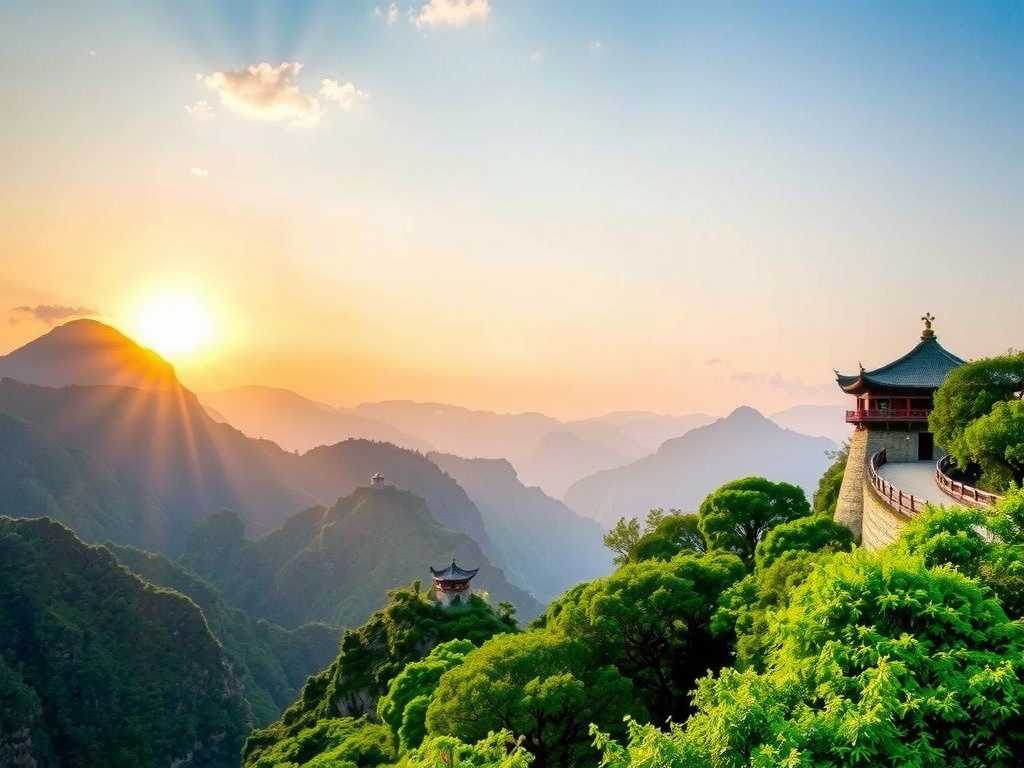
In China, nature is rarely just scenery; it is a canvas for philosophy, art, and spirituality. For millennia, poets, painters, and monks have sought inspiration in mountains, rivers, and forests, infusing these places with cultural significance. This concept, often termed "Shanshui" (mountain-water), represents an ideal of harmony. When you visit these sites, you’re not just seeing a beautiful place—you’re engaging with a living cultural heritage. As noted by cultural historian Dr. Li Wei, "The Chinese landscape is a palimpsest. Every peak, river bend, and ancient tree has a story, a poem, or a spiritual lesson etched into it by generations." Recognizing this transforms sightseeing into a form of dialogue with history.
Guilin and the Li River: A Poetic Dreamscape
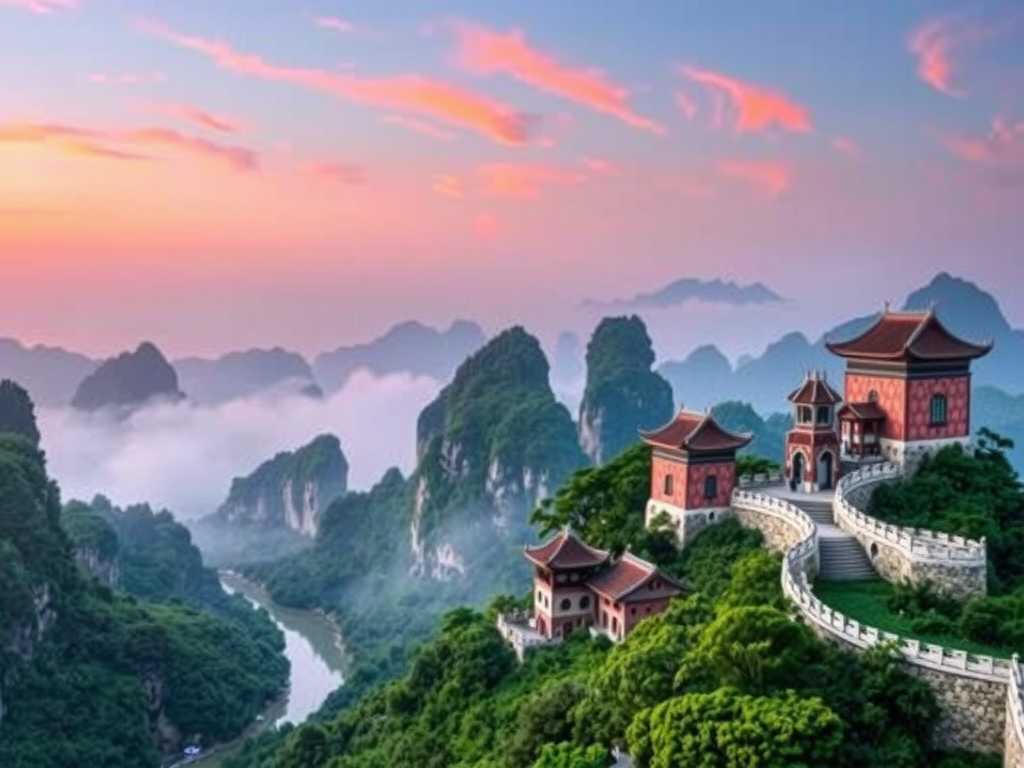
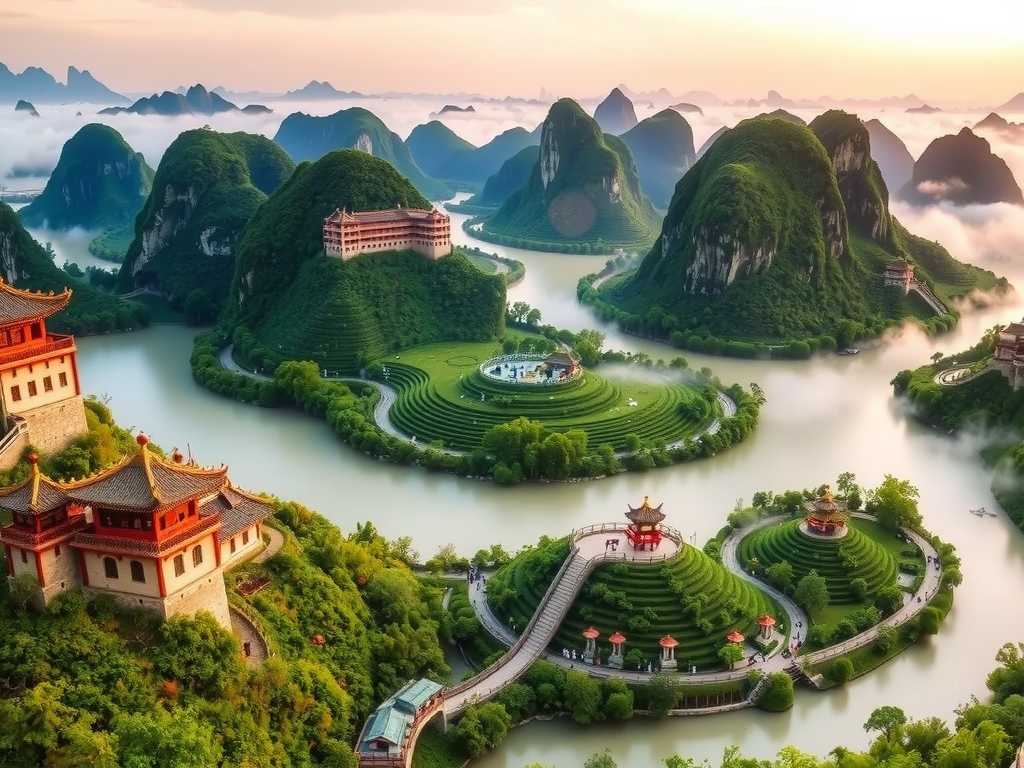
The karst peaks of Guilin are arguably China’s most iconic natural visual. But their true magic lies in how they have shaped life and art for centuries. A leisurely cruise down the Li River is the best way to appreciate this. As you drift past water buffalo, bamboo groves, and sheer limestone cliffs, you’re tracing the same route that has inspired countless scroll paintings and poems. The landscape appears as a classical Chinese artwork come to life. For an active cultural immersion, take a bamboo raft on the quieter Yulong River or cycle through villages like Yangshuo, where you can see local life unfolding against this dramatic backdrop. The evening light show, "Impression Sanjie Liu," directed by Zhang Yimou, is a spectacular modern interpretation of the area’s ethnic culture, staged on the river itself.
The Sacred Peaks: Huangshan and Beyond
China’s sacred mountains are the ultimate embodiment of the culture-nature fusion. Huangshan (the Yellow Mountains) is the most famous, renowned for its "sea of clouds," granite peaks, and peculiarly shaped pine trees. This landscape directly influenced the entire school of Chinese Shan Shui painting. Hiking its paths, you’ll pass ancient inscriptions carved into rock and temples perched precariously on cliffs, places where literati and monks sought solitude and enlightenment. Similarly, mountains like Taishan (east), Huashan (west), and Emeishan (south) each hold unique cultural and religious importance. A sunrise hike up Taishan, a mountain worshipped by emperors for millennia, is a pilgrimage through stone stairways lined with calligraphic monuments, culminating in a profound sense of achievement and connection.
The Ancient Water Towns of the Yangtze Delta
For a gentler, more intimate experience, the ancient water towns near Shanghai, such as Wuzhen, Xitang, and Zhouzhuang, offer a glimpse into a canal-based way of life that has persisted for over a thousand years. Here, culture is built into the very architecture. Stone bridges arch over slow-moving canals, traditional black-tile-roofed houses line the waterways, and narrow alleyways hide elegant gardens and ancestral halls. The best way to explore is to stay overnight. After the day-trippers leave, you can wander quiet lanes, enjoy a local meal by the water, and perhaps even take a boat ride under the glow of red lanterns. It’s a living museum of Ming and Qing dynasty vernacular culture, where the rhythm of life is still dictated by the water.
The Silk Road Oases: Dunhuang and the Echoing Sand Dunes
In the starkly beautiful deserts of Gansu province, culture and nature collide in a dramatic narrative of exchange and survival. The oasis city of Dunhuang was a crucial hub on the ancient Silk Road. Its crown jewel is the Mogao Caves, a UNESCO site housing a millennium’s worth of Buddhist art, hidden within a cliff face in the desert. Just outside the city, the surreal Crescent Moon Lake appears like a mirage—a spring in the shape of a crescent, nestled amidst the towering Mingsha Shan (Echoing-Sand) Dunes. The experience of climbing the dunes at sunset, hearing the sand "sing" underfoot, and seeing the ancient pagoda reflected in the oasis pool below, powerfully connects you to the journeys of ancient merchants and monks who found refuge here.
Tibetan Frontiers: Shangri-La and the Meili Snow Mountains
In Yunnan and Sichuan provinces, the eastern edge of the Tibetan Plateau offers some of China’s most awe-inspiring vistas, deeply infused with Tibetan Buddhist culture. The town of Shangri-La (Zhongdian) provides access to the Songzanlin Monastery, a sprawling complex resembling a miniature Potala Palace. Beyond it, the Meili Snow Mountain range, with its towering, glaciated peak Kawagebo, is considered one of the most sacred mountains in Tibetan Buddhism. The entire area is crisscrossed with ancient pilgrimage routes. A multi-day trek, like the one to the sacred circumambulation site of Yubeng, allows you to walk through pristine valleys, past prayer flags and mani stones, with the majestic, unclimbed peaks as a constant, humbling presence. It’s a journey that engages body, soul, and senses.
Practical Tips for Your Cultural-Nature Journey
To fully appreciate these gems, a mindful approach is key. Consider visiting during shoulder seasons (spring or autumn) for better weather and fewer crowds. Engage local guides at historical sites; their stories bring the stones and landscapes to life. Learn a few basic phrases in Mandarin, and always travel with respect for local customs, especially in ethnic and religious areas. Support the preservation of these fragile sites by following designated paths, carrying out all trash, and choosing eco-conscious tour operators.
What is the best time of year to visit these scenic and cultural sites in China? Spring (April-May) and Autumn (September-October) are generally ideal. These seasons offer mild temperatures, clearer skies, and vibrant natural colors—spring blossoms or autumn foliage—which greatly enhance the landscape's beauty. They also avoid the extreme heat, humidity, and peak tourist crowds of summer, as well as the cold of winter in many mountainous regions.
How can I ensure my travel is respectful and culturally sensitive? Do prior research on local customs, particularly in ethnic minority regions like Tibet and Yunnan. Dress modestly when visiting temples and religious sites. Always ask for permission before photographing local people. Be mindful of your volume and behavior in serene natural and spiritual spaces. Supporting local businesses by buying handicrafts and using local guides is a great way to contribute respectfully to the community.
Are these destinations suitable for travelers with limited mobility? Accessibility varies significantly. The ancient water towns, with their flat but often cobbled paths, can be navigated with difficulty. Sites like Huangshan or the Tibetan plateau involve strenuous hiking and high altitudes, posing significant challenges. However, many key cultural spots (e.g., the Mogao Caves visitor center, parts of the Songzanlin Monastery) have improved access. It is crucial to research each specific location in detail and contact tour operators in advance to discuss feasible options and necessary support.
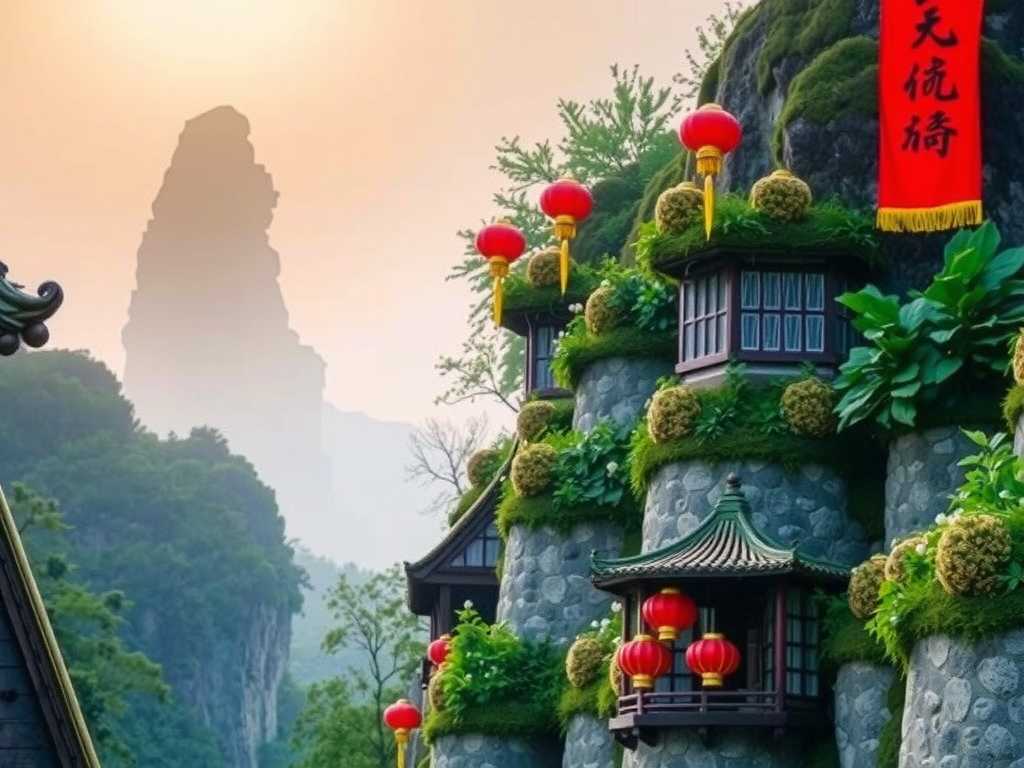
Ultimately, China’s most unforgettable experiences are found where its profound cultural heritage meets its dramatic natural canvas. By seeking out these intersections—whether in a mist-shrouded mountain monastery, a desert oasis guarding ancient art, or a tranquil canal town—you move beyond simple tourism. You embark on a journey of discovery that feeds both the eye and the mind, leaving you with a lasting understanding of the Chinese spirit, shaped by and deeply connected to the land itself.
发表评论