 admin
admin China’s Scenic Highlights: Unmissable Wonders for Every Traveler
Planning a trip to China can feel overwhelming. With a landmass rivaling a continent and thousands of years of history, how do you possibly choose where to go? The fear of missing out on truly iconic landscapes or authentic cultural experiences is real. You don’t have endless time, and you want every moment to count. This guide cuts through the noise to bring you China’s most unmissable scenic highlights, carefully curated to showcase the breathtaking diversity and profound beauty that makes this country a top-tier travel destination.
From ancient stone warriors guarding imperial secrets to futuristic cityscapes piercing the clouds, China offers a journey through time and terrain. Let’s explore the landmarks and hidden gems that deserve a top spot on your itinerary.

Navigating China’s Geographic Majesty
China’s vast geography is the canvas upon which its scenic wonders are painted. Understanding its broad regions—from the arid north to the lush south, the Tibetan highlands to the eastern deltas—helps in appreciating the context of each highlight. According to a report by the China National Tourism Administration, the country’s protected scenic areas cover over 3% of its total land area, a testament to the national commitment to preserving these natural treasures. This geographic diversity means your journey can encompass deserts, mountains, rivers, and coastlines, often within a single trip.
The Iconic Must-Sees: China’s Crown Jewels
No list of China’s scenic highlights is complete without its world-famous icons. These are the places that define postcards and bucket lists, and for good reason.
-
The Great Wall: A Serpentine Marvel Snaking across mountains and deserts, the Great Wall is more than a structure; it’s a symbol of perseverance. For the best experience, venture beyond the crowded sections near Beijing. Experts like travel historian Dr. Mei Lin suggest that segments like Jinshanling or Mutianyu offer a perfect balance of accessibility, stunning views, and restored authenticity. Watching the wall disappear over endless rolling hills is a humbling sight you will never forget.
-
The Terracotta Army: An Underground Empire Discovered by farmers in 1974, this silent army in Xi’an is one of the greatest archaeological finds of the 20th century. Standing before the thousands of life-sized, uniquely detailed warriors and horses is like unlocking a door to the Qin Dynasty. The scale and artistry directly reflect the immense power and ambition of China’s first emperor.
-
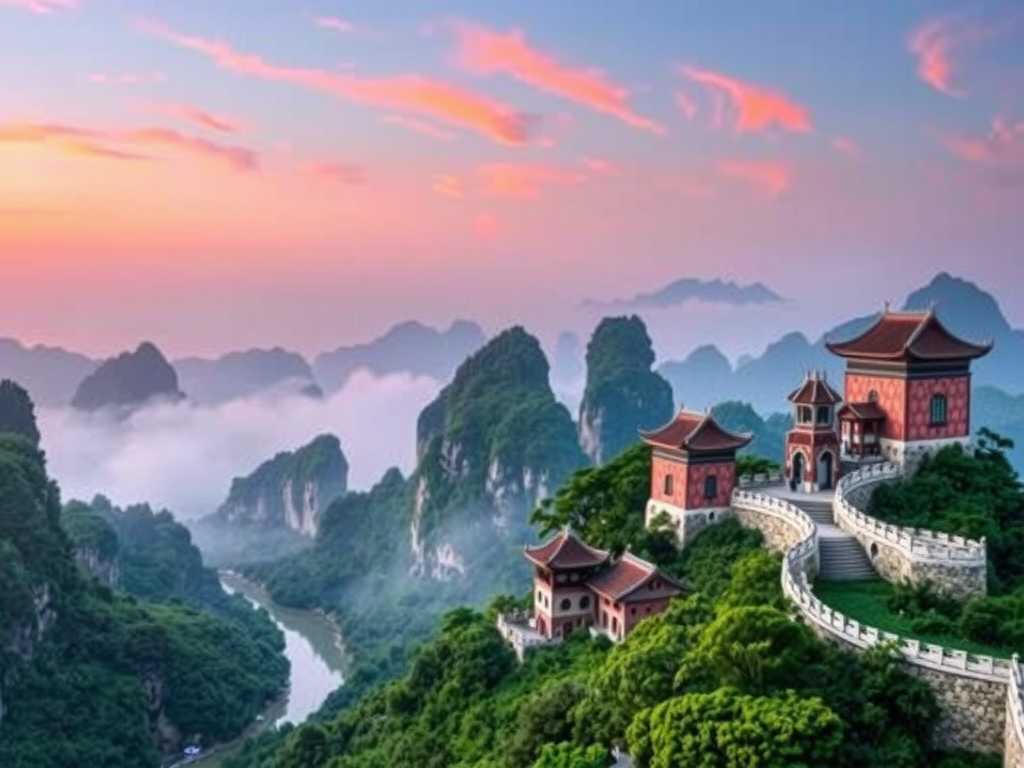
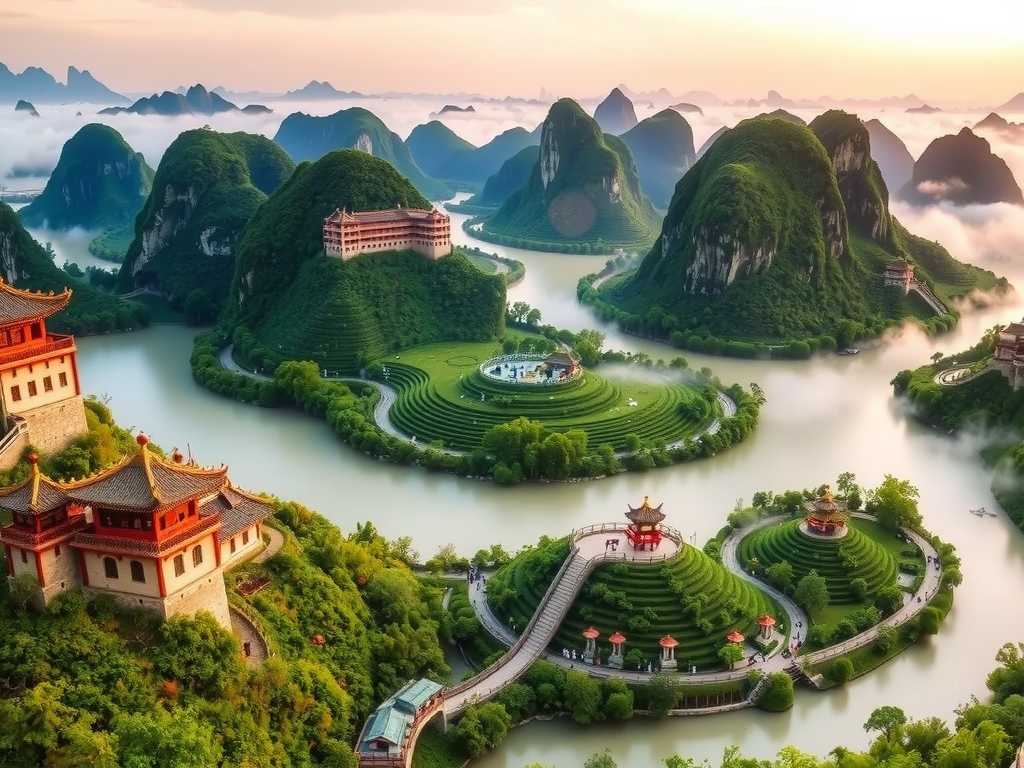
The Li River & Karst Peaks: A Painting Come to Life The landscape of Guilin and Yangshuo is the classic Chinese scroll painting made real. A Li River cruise from Guilin to Yangshuo is the quintessential way to witness the dreamlike karst mountains shrouded in mist. For a more active immersion, rent a bicycle and ride through the countryside, passing rice paddies and local villages with these surreal peaks as your constant backdrop.
Beyond the Icons: Regional Scenic Treasures
While the icons are unmissable, China’s depth lies in its regional wonders. These destinations offer equally stunning scenery with their own unique character.
-
The Avatar Mountains of Zhangjiajie Inspiration for the floating Hallelujah Mountains in the film Avatar, the quartz-sandstone pillars of Zhangjiajie National Forest Park are a geological fantasy. Walk the glass-bottomed bridges clinging to cliff faces, ride the Bailong Elevator up the side of a pillar, and hike trails that weave through this stone forest. The views, especially at sunrise when clouds fill the valleys, are otherworldly.
-
The Rainbow Mountains of Zhangye Danxia Located in Gansu province, this geological park looks like an artist’s palette. Striated layers of mineral-rich sandstone in vibrant reds, yellows, oranges, and greens create a rolling, colorful landscape. The best time to visit is at dusk or dawn when the low sun intensifies the colors, making the hills appear to glow from within. It’s a powerful reminder of nature’s artistic power.
-
The Pristine Waters of Jiuzhaigou Valley In Sichuan province, Jiuzhaigou is a fairy-tale world of multi-colored lakes, cascading waterfalls, and snow-capped peaks. The water is so clear and vividly turquoise or green due to high mineral content and ancient calcified tree trunks lining the lake beds. While access can be regulated to protect the environment, visiting this UNESCO site is a lesson in ethereal, fragile beauty.
Planning Your Journey to China’s Highlights
To seamlessly experience these unmissable scenic highlights, practical planning is key.
- Timing Your Visit: China’s seasons dramatically affect travel. Spring (April-May) and Autumn (September-October) generally offer the most pleasant weather nationwide. Summer can be hot and crowded, while winter brings stark beauty to the north but cold temperatures.
- Transportation Logistics: China’s high-speed rail network is a scenic and efficient way to connect major cities near these highlights. For remote areas like Zhangjiajie or Jiuzhaigou, domestic flights are often the most time-effective option. Always allow more time than you think for inter-city travel.
- Cultural Sensitivity & Preservation: These sites are national treasures. Be a respectful visitor by following marked paths, not touching fragile formations or artifacts, and adhering to local guidelines. As noted by sustainable travel organizations, responsible tourism ensures these unmissable scenic highlights remain preserved for future generations.
How many days do I need to see China’s main highlights? A balanced trip covering 4-5 major highlights (e.g., Beijing, Xi’an, Guilin, Shanghai plus one regional wonder) realistically requires a minimum of 12-14 days. This allows for travel time and avoids feeling rushed. For a deeper, more relaxed exploration, consider 18-21 days.
What is the best way to travel between these scenic sites? For city pairs like Beijing-Xi’an or Shanghai-Guilin, the high-speed train is often the best combination of speed, comfort, and scenery. For reaching Zhangjiajie, Jiuzhaigou, or Zhangye, booking a domestic flight from a major hub is usually necessary. Within cities and to specific park entrances, private drivers or guided tours can maximize efficiency.
Are these scenic spots suitable for families or travelers with mobility issues? Suitability varies greatly. The Great Wall sections like Mutianyu have cable cars, making them more accessible. The Terracotta Army museum is largely flat. However, sites like Zhangjiajie or Jiuzhaigou involve significant walking, stairs, and uneven paths. Always research specific park accessibility and consider private tours that can customize the pace and route.
China’s scenic landscape is a grand tapestry woven with threads of history, culture, and raw natural power. From the man-made wonder of the Great Wall to the divine artistry of Jiuzhaigou’s lakes, each destination offers a unique window into the soul of this vast country. By focusing on these unmissable highlights and planning thoughtfully, you move beyond simple sightseeing to create a journey of genuine connection and awe-inspiring memories. Your adventure through one of the world’s most captivating landscapes awaits.

发表评论