 admin
admin China’s Must-See Natural Scenic Spots: An Ultimate Traveler’s Guide
Planning a trip to China and feeling overwhelmed by the sheer number of destinations? You’re not alone. Many travelers struggle to move beyond the iconic Great Wall and bustling metropolises, missing out on the country’s soul-stirring natural beauty that is both vast and incredibly diverse. From ethereal mountain ranges and otherworldly rock formations to serene lakes and deep gorges, China’s must-see natural scenic spots offer experiences that are nothing short of breathtaking. This guide cuts through the noise to bring you the essential landscapes that define China’s natural grandeur, complete with practical insights to help you plan an unforgettable journey.
The challenge often lies in knowing where to start. This article serves as your definitive resource, curated not just from travel brochures but from geological significance, cultural importance, and firsthand travel expertise. We’ll navigate through these wonders with clear, actionable information.
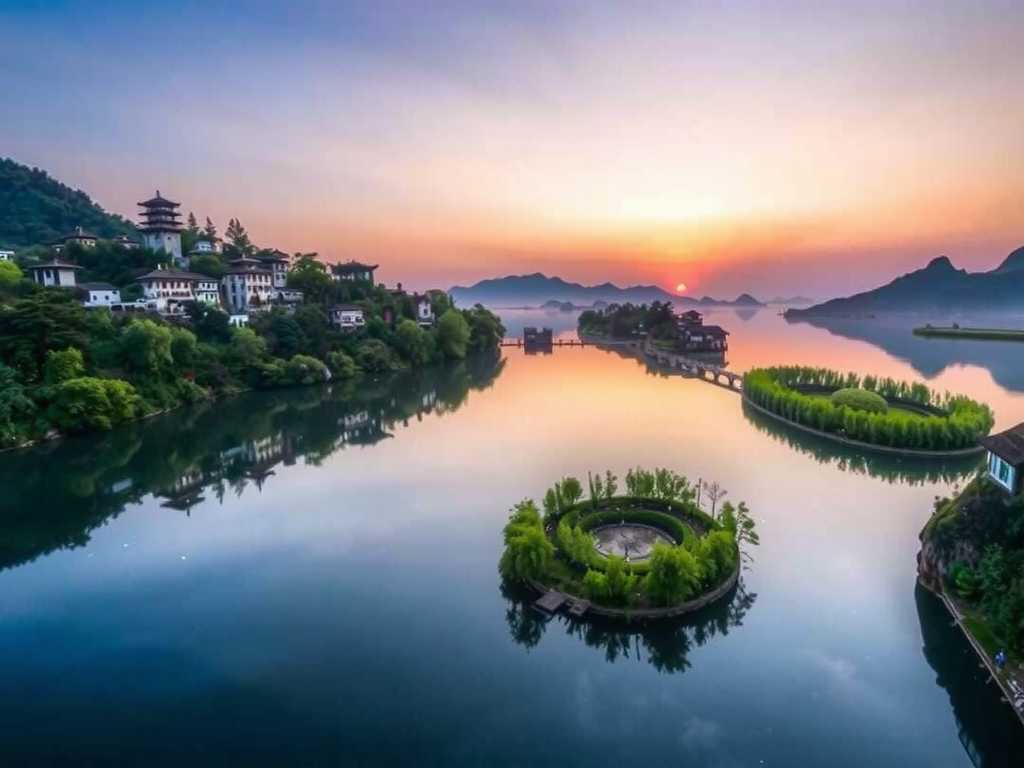
Zhangjiajie National Forest Park: The Avatar Mountains
Imagine towering sandstone pillars shrouded in mist, a landscape so surreal it inspired the floating Hallelujah Mountains in the movie Avatar. That’s Zhangjiajie in Hunan Province. This UNESCO Global Geopark is the crown jewel of China’s must-see natural scenic spots.
The most famous area within the park is Yuanjiajie, where you can walk along the awe-inspiring Avatar Hallelujah Mountain platform. For a truly panoramic view, take the Bailong Elevator, an engineering marvel built onto the side of a cliff. Another highlight is the Golden Whip Stream, a gentle hiking trail that winds between the majestic pillars, offering a more grounded perspective.
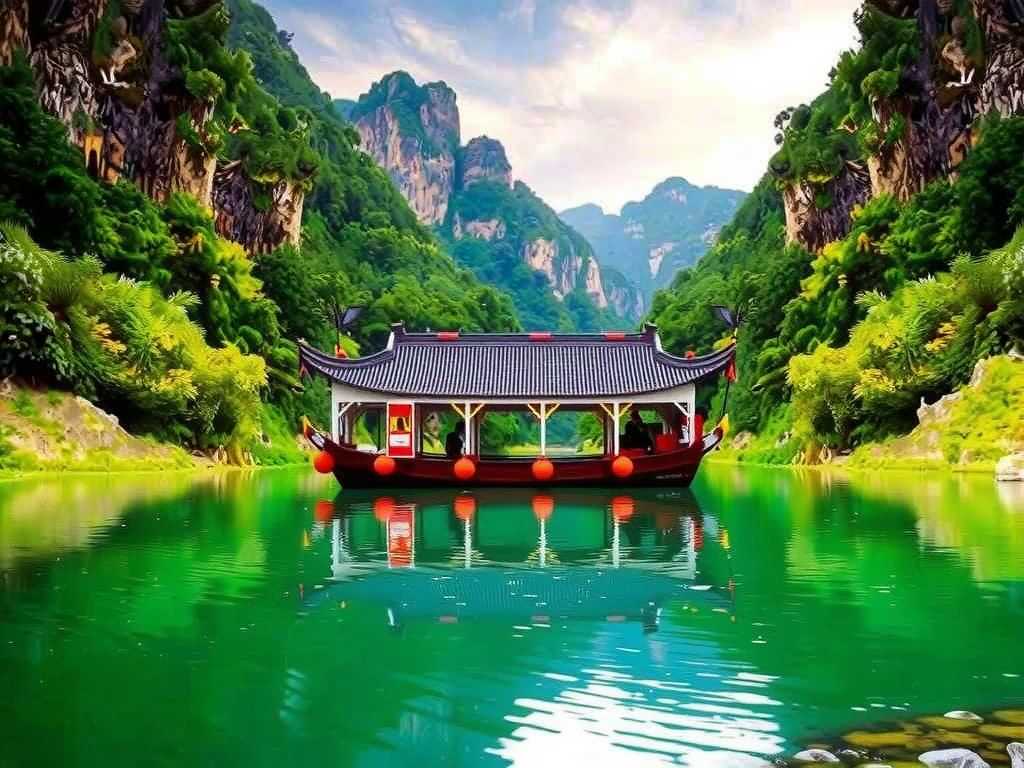
Visiting Tip: Aim for 2-3 days. The weather is changeable, and mist is common, which adds to the mystical atmosphere but can obscure views. Early mornings often provide the clearest vistas.
Jiuzhaigou Valley: A Palette of Alpine Lakes
Nestled in the mountains of northern Sichuan, Jiuzhaigou Valley is a symphony of color. A UNESCO World Heritage Site, it is famed for its multi-level waterfalls, snow-capped peaks, and most notably, its dozens of crystal-clear, vibrantly colored lakes. The hues of turquoise, blue, and green come from mineral deposits and aquatic plant life.
Key areas include Shuzheng Valley, with its chain of lakes and waterfalls, and Rize Valley, home to the stunning Five-Flower Lake and Pearl Shoal Waterfall. The ecosystem here is fragile and meticulously protected. As noted in a UNESCO conservation report, the management practices in Jiuzhaigou are a benchmark for sustainable tourism in sensitive alpine environments.
Visiting Tip: The best times are autumn (September-October) for stunning foliage, and spring (April-May) for full waterfalls. Due to conservation efforts, visitor numbers are regulated, so book your entry tickets well in advance.
The Li River & Yangshuo: A Painting Come to Life
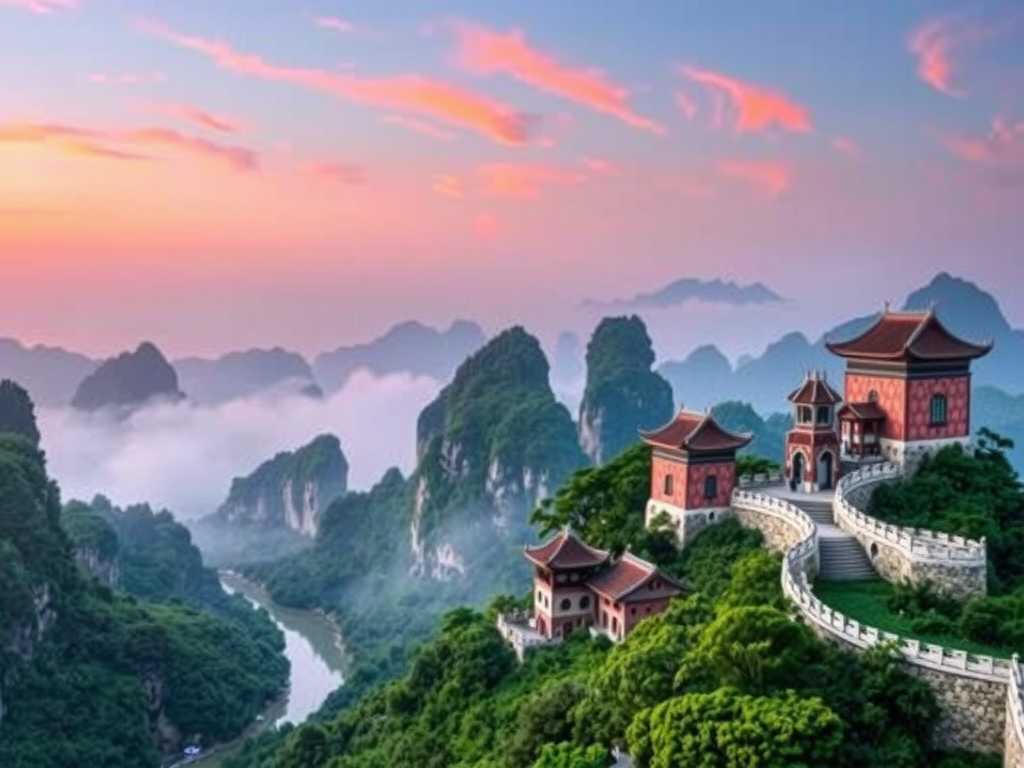
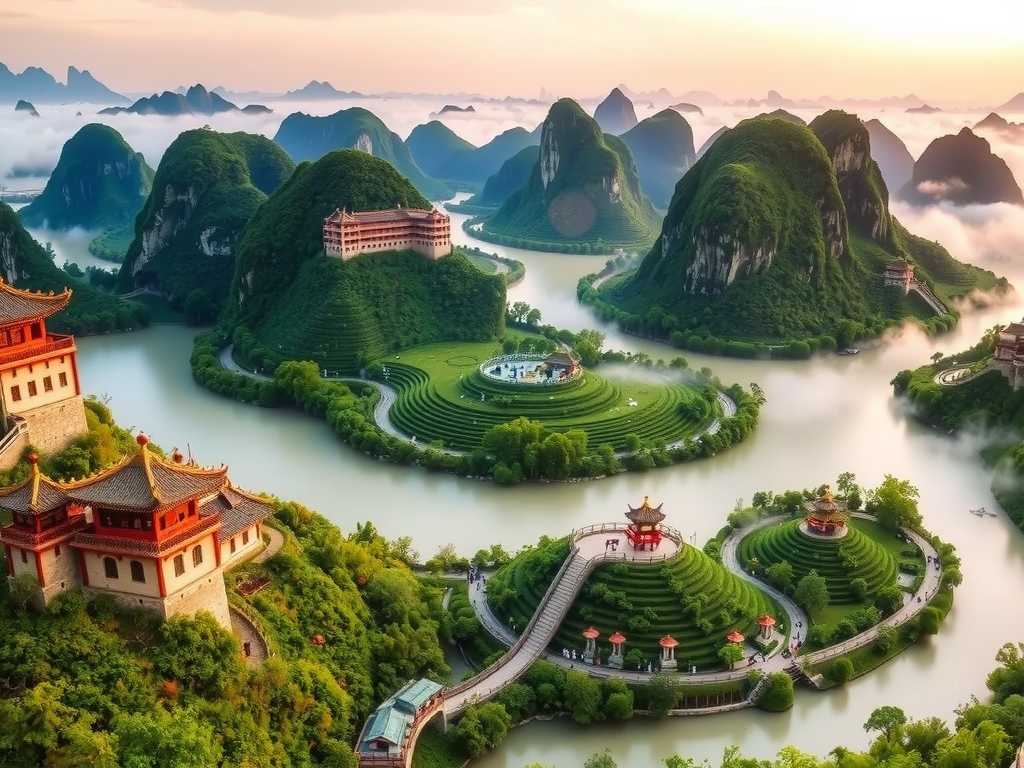
The phrase “Guilin’s landscape is the best under heaven” is embodied along the Li River. A cruise from Guilin to Yangshuo is a journey through a classic Chinese ink painting, with karst limestone peaks rising dramatically from the riverbanks and rice paddies.
The 83-kilometer waterway passes iconic sights like Elephant Trunk Hill and Nine-Horse Fresco Hill. However, the magic continues in Yangshuo. Rent a bicycle and explore the Yulong River valley, where you’ll cross ancient stone bridges and see farmers working in fields with a backdrop of those iconic peaks. Local guide Chen Wei often says, “The Li River is for photos, but the countryside around Yangshuo is for the soul.”
Visiting Tip: Opt for a bamboo raft on the quieter Yulong River for a more intimate experience. Avoid the national holiday periods for a less crowded visit.
Huangshan (The Yellow Mountains): The Legendary Peaks
No list of China’s must-see natural scenic spots is complete without Huangshan. This Anhui mountain range has been celebrated in poetry and art for centuries. Its “four wonders” are the peculiarly shaped granite peaks, hot springs, winter snow, and the “sea of clouds” that often envelops the summits.
Key attractions include the iconic Greeting Guest Pine, the breathtaking view from Bright Summit Peak, and the challenging hike up the steep Heavenly Capital Peak. Sunrise from one of the mountain peaks is a transformative experience, though it requires an overnight stay at one of the summit hotels.
Visiting Tip: Be prepared for lots of stairs and variable weather. Pack layers, rain gear, and sturdy shoes. An overnight stay is highly recommended to experience both sunset and sunrise.
The Rainbow Mountains of Zhangye Danxia
This is where geology becomes art. The Zhangye Danxia Landform in Gansu Province looks like a layered cake painted in streaks of red, orange, yellow, and green. These vibrant colors are the result of mineral deposits and sandstone being uplifted and eroded over 24 million years.
The best time to view the colors is at sunset or sunrise when the low-angle light intensifies the hues. The protected park has well-maintained boardwalks and viewing platforms to protect the fragile rock formations while offering spectacular photo opportunities.
Visiting Tip: The colors are most vivid after rain, so don’t be discouraged by a passing shower. Allow half a day to explore the different viewing areas within the park.
When is the best time to visit these natural spots in China? This depends on the destination. Generally, spring (April-May) and autumn (September-October) offer the most comfortable weather and scenic beauty nationwide. However, Jiuzhaigou is spectacular in autumn, while Huangshan has unique charm in winter with snowy peaks.
Are these destinations suitable for family travel with children? Yes, but with planning. Destinations like the Li River (with a calm cruise) and Zhangye Danxia (with boardwalks) are very accessible. Huangshan and Zhangjiajie involve significant walking and stairs, so assess your family’s fitness level. Opt for cable cars where available to conserve energy.
How can I travel responsibly in these fragile ecosystems? Always stay on marked paths and boardwalks. Do not litter, and carry out all trash. Respect wildlife and avoid touching or removing any natural features. Support local businesses, but be mindful of your resource consumption, especially water in arid regions like Zhangye.
China’s natural landscapes are as profound as its history. From the dreamlike pillars of Zhangjiajie to the colorful lakes of Jiuzhaigou and the poetic rivers of Yangshuo, each destination offers a unique window into the earth’s artistry. These are more than just photo opportunities; they are places that inspire awe and offer a deep sense of connection to the natural world. By planning thoughtfully and traveling respectfully, your journey to these unparalleled China’s must-see natural scenic spots will leave you with memories that last far longer than the trip itself. Start mapping your adventure to witness these wonders firsthand.

发表评论