 admin
admin China’s Scenic Treasures: For Every Traveler
Planning a trip to China can feel overwhelming. With a landmass so vast and a history spanning millennia, how do you even begin to choose where to go? The common dilemma is picking between iconic landmarks and hidden gems, or balancing cultural depth with sheer natural beauty. This guide is designed to cut through the noise. We’ll map out China’s most breathtaking scenic treasures and match them to your specific travel style, ensuring your journey is not just a visit, but a perfect personal discovery.
Understanding China’s Geographic Canvas
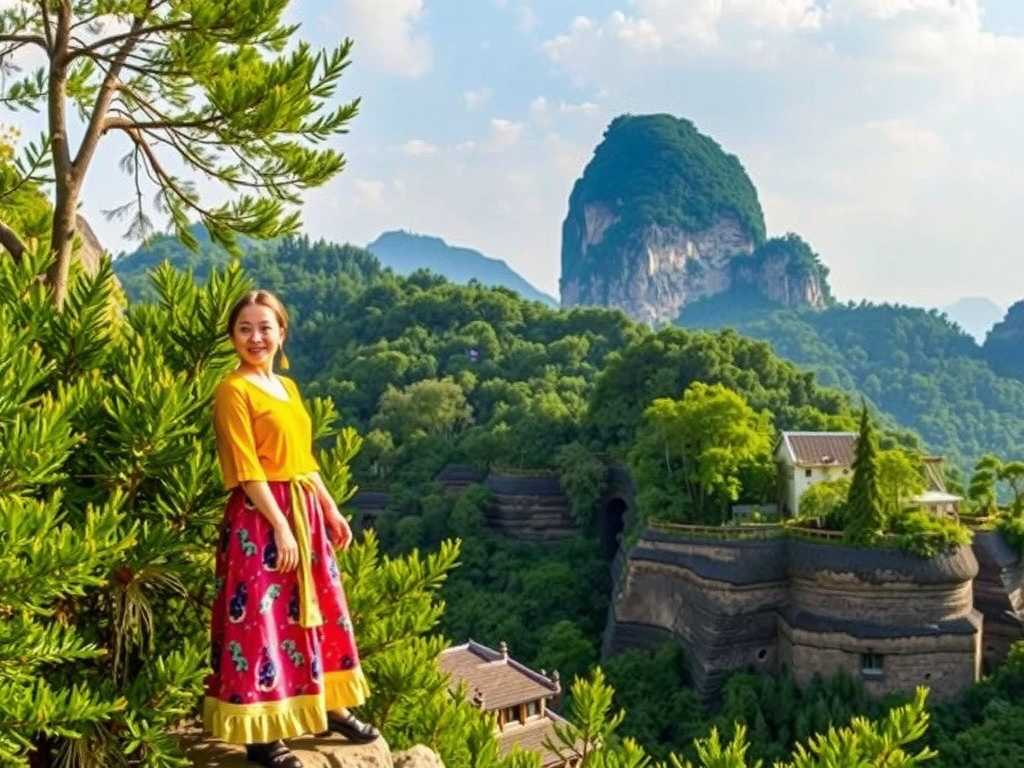
To truly appreciate China’s scenic diversity, you must first understand its dramatic geography. The country descends in three great steps from the high plateaus of the west to the coastal plains of the east. This topography creates distinct scenic zones, each offering a unique palette of experiences. From the rooftop of the world in Tibet to the karst fairylands of the south, and from the arid deserts of the northwest to the lush waterways of the east, China’s landscapes are as varied as its cultures.
For the Adrenaline Seeker & Nature Purist
If your ideal vacation involves hiking boots, fresh air, and heart-pounding vistas, China’s western and southwestern regions are your playground.
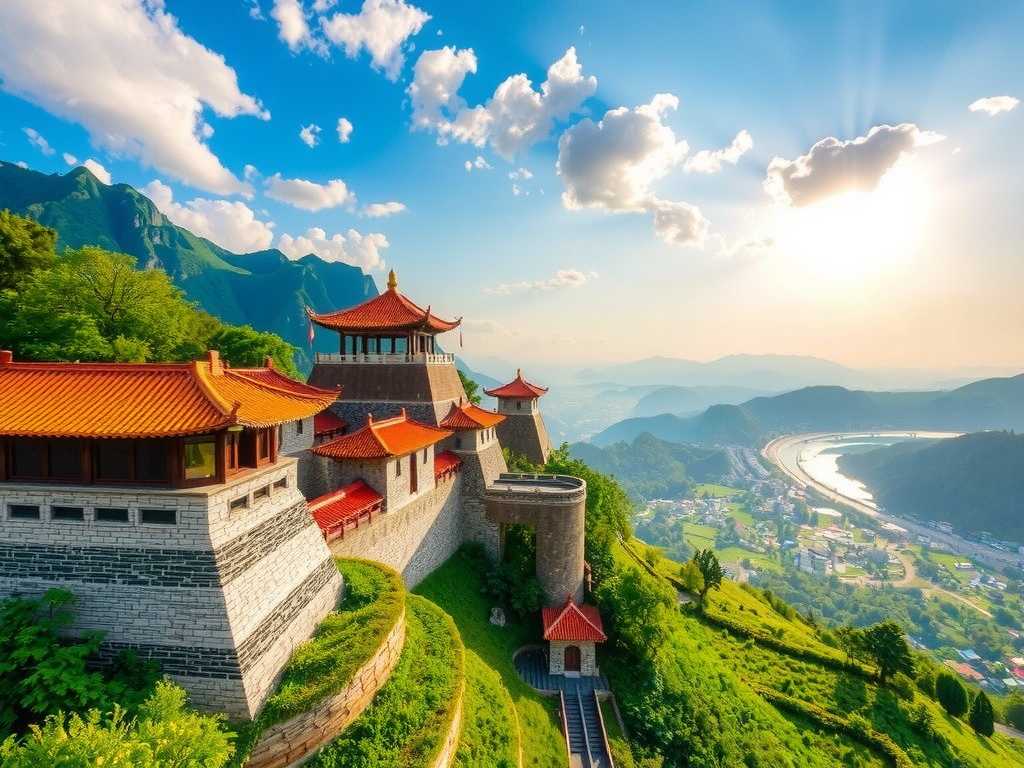
Conquer the Peaks of Zhangjiajie Often called the inspiration for the floating Hallelujah Mountains in Avatar, Zhangjiajie National Forest Park in Hunan province is a surreal landscape of thousands of sandstone pillars towering over deep ravines. The experience here is actively immersive. Hike the Golden Whip Stream trail, walk the glass-bottomed Zhangjiajie Grand Canyon Bridge, and take the Bailong Elevator—the world’s tallest outdoor lift—for panoramic views. As noted by travel anthropologist Dr. Li Wen, “Places like Zhangjiajie force a physical engagement with the landscape, transforming sightseeing from a passive act into a memorable bodily experience.”
Trek the Tiger Leaping Gorge Skip the crowded cruise on the Yangtze River and instead trek the Tiger Leaping Gorge in Yunnan. This is one of the world’s deepest river canyons, where the Jinsha River thunders between Jade Dragon Snow Mountain and Haba Snow Mountain. The two-day high trail offers moderate challenge with extraordinary rewards: guesthouses with million-dollar views, encounters with local Naxi communities, and the constant roar of the river below. It’s raw, powerful, and far from the typical tourist track.
For the Culture & History Enthusiast
For travelers who hear the echoes of the past in ancient walls and see stories in temple architecture, China’s historical corridors offer a profound journey through time.
Walk Through History on the Great Wall While the Badaling section is famous, it’s also the most crowded. For a more authentic and visually stunning experience, head to the wild, unrestored sections like Jiankou or Jinshanling. Here, you can hike along crumbling watchtowers and snaking walls that follow the dramatic mountain ridges, offering a palpable sense of history and solitude. The Mutianyu section provides a excellent compromise—well-restored but less crowded, with a thrilling toboggan ride down.
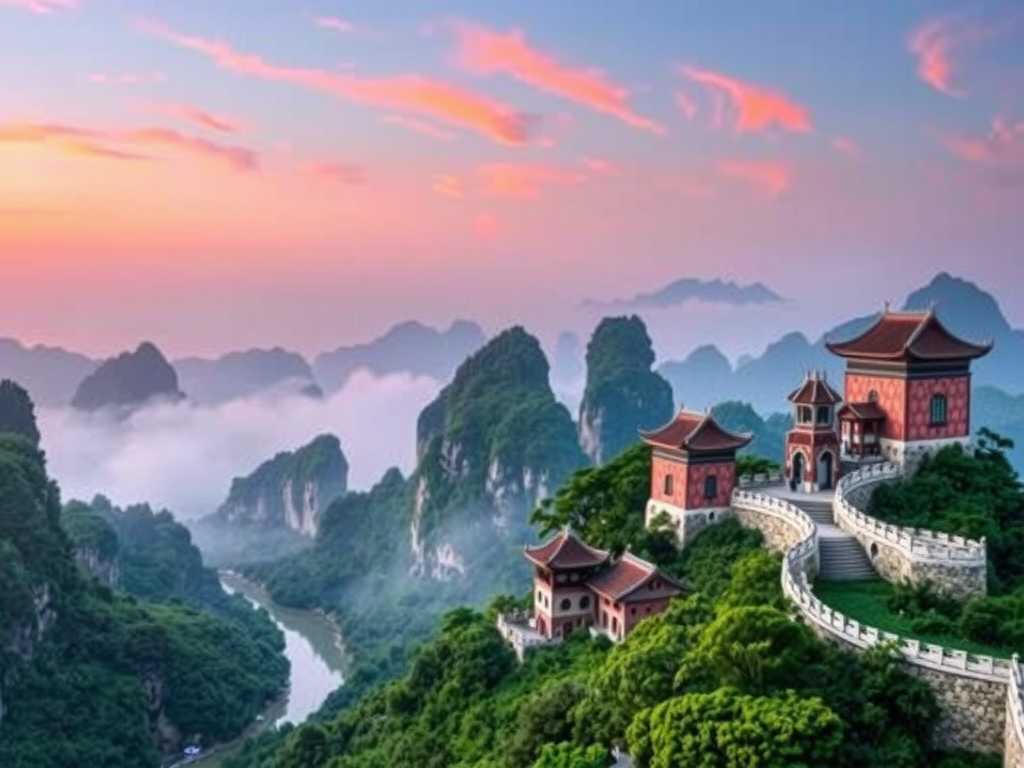
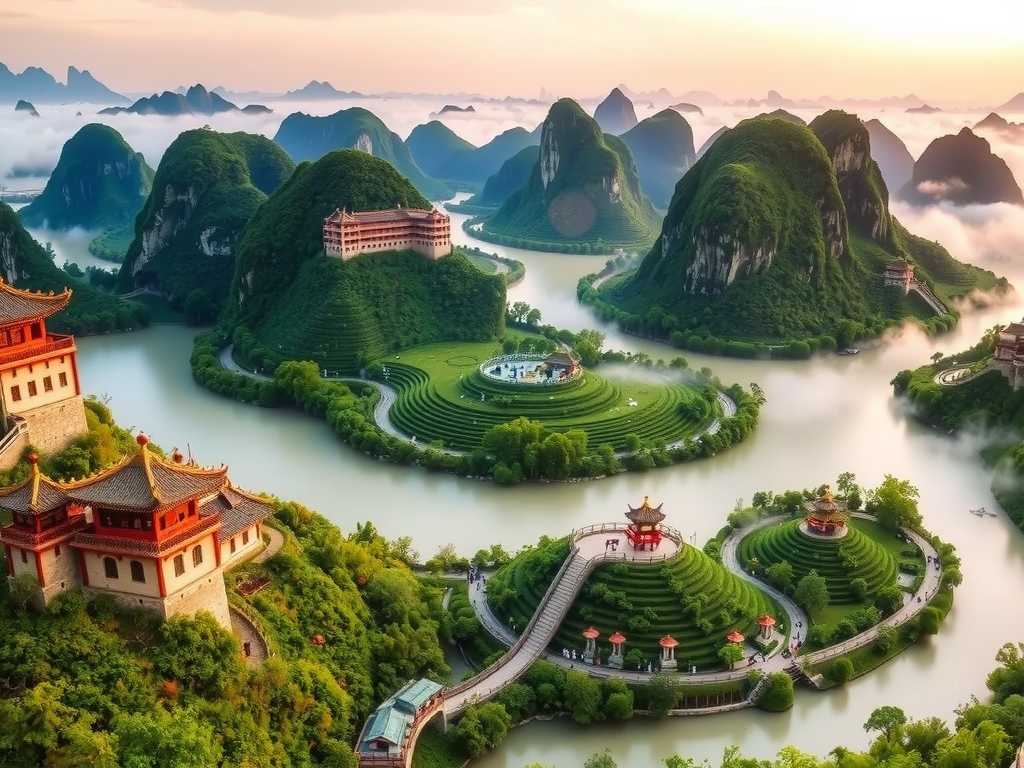
Float Through a Classical Painting in Guilin The landscape around Guilin and Yangshuo is the literal embodiment of classical Chinese painting. The serene Li River winds past iconic karst peaks, water buffalo grazing in fields, and bamboo rafts. This is less about adrenaline and more about poetic immersion. Take a leisurely cruise or a cycling tour through the countryside, visit ancient villages like Xingping, and witness the cormorant fishermen at dusk. It’s a living, breathing piece of China’s artistic heritage.
For the Serenity Seeker & Spiritual Pilgrim
Some journeys are inward. China’s sacred mountains and tranquil retreats provide the perfect setting for contemplation and rejuvenation.
Find Harmony on Mount Huangshan No list of China’s scenic treasures is complete without Huangshan (the Yellow Mountains). This UNESCO site is the archetype of Chinese mountainous beauty, famed for its “four wonders”: peculiarly shaped granite peaks, hot springs, winter snow, and a “sea of clouds” that envelops the summits. Wake up at a summit hotel to watch the sunrise over this ethereal cloud ocean. The experience, as described in many classical poems, is less about conquering a peak and more about achieving a state of awe and harmony with nature.
Reflect by the Holy Lakes of Tibet The journey to Tibet is transformative. Beyond the magnificent Potala Palace, the soul of the region lies in its pristine lakes. Namtso Lake, one of the highest saltwater lakes in the world, is a staggering expanse of turquoise set against snow-capped peaks. The silence here is profound, broken only by the flutter of prayer flags. Similarly, Yamdrok Lake’s brilliant blue waters are considered sacred. The combination of extreme altitude, dazzling light, and deep spiritual significance creates an unparalleled sense of peace and perspective.
For the Urban Explorer with a Scenic Twist
Even China’s dynamic metropolises offer easy access to stunning natural and historical scenery, perfect for travelers short on time.
Discover Hangzhou’s West Lake Poetry Just an hour from Shanghai’s skyscrapers lies Hangzhou, home to the UNESCO-listed West Lake. This is a masterclass in designed landscape, where pagodas, causeways, gardens, and willow trees frame the tranquil water. Rent a bicycle, stroll along the Su Causeway, visit the Lingyin Temple, and understand why Marco Polo described it as “the most splendid city in the world.” It’s scenic beauty refined over a thousand years of poetry and art.
See Chengdu Beyond the Pandas While the Giant Panda Breeding Research Base is a must, Chengdu’s charm extends to its surrounding treasures. A day trip to the Leshan Giant Buddha—a 71-meter tall statue carved into a riverside cliff—is awe-inspiring. Combine it with a visit to the sacred Mount Emei, one of Buddhism’s four holy mountains, known for its lush forests, countless temples, and curious monkeys. It’s the perfect blend of city comfort and profound scenic culture.
FAQ
What is the best time of year to visit China for scenic travel? Spring (April-May) and Autumn (September-October) are universally ideal. You’ll enjoy mild temperatures, fewer rainy days, and beautiful seasonal colors—spring blossoms or autumn foliage. Avoid the national holiday in early October (Golden Week) due to massive domestic crowds.
Are these scenic destinations suitable for families with children? Absolutely, with careful selection. Destinations like the cable-car-accessible parts of Zhangjiajie or Huangshan, the Li River cruise in Guilin, and the parks around West Lake in Hangzhou are family-friendly. For older children, sections of the Great Wall like Mutianyu offer manageable hikes and fun activities.
How can I travel responsibly to these natural treasures? Always stay on marked paths to protect fragile ecosystems. Carry out all your trash, minimize plastic use, and respect local customs—especially in sacred areas like Tibet. Consider visiting during shoulder seasons to reduce overcrowding, and support local businesses by choosing community-run guesthouses or guides.
China’s scenic treasures are not a monolith but a diverse portfolio waiting to be curated based on your passions. Whether you seek the physical challenge of a mountain gorge, the quiet wisdom of an ancient temple, or the serene beauty of a lakeside sunrise, there is a perfect landscape here with your name on it. The real journey begins by matching the destination to the traveler, unlocking a deeper, more personal connection with this endlessly fascinating country.

发表评论