 admin
admin Discover China’s Iconic Scenic Landmarks: Your Ultimate Travel Guide
Planning a trip to China can feel overwhelming. With a vast territory spanning thousands of miles and a history stretching back millennia, how do you choose which destinations to visit? You might be worried about missing the true icons, getting lost in crowded tourist traps, or failing to understand the profound cultural stories behind the scenery. This guide is designed to cut through the confusion. We will help you Discover China’s Iconic Scenic Landmarks by focusing on those unparalleled sites that define the nation’s natural beauty and cultural heritage, complete with practical tips for a meaningful journey.
The key to a successful trip is balancing iconic visuals with deep cultural immersion. It’s not just about snapping a photo; it’s about connecting with the soul of a place. According to Dr. Li Wen, a cultural historian at Peking University, "China's landmarks are physical chapters of a living history book. To truly appreciate them, one must read the story written in their stones, landscapes, and artistic details."

The Great Wall: More Than a Mighty Fortification
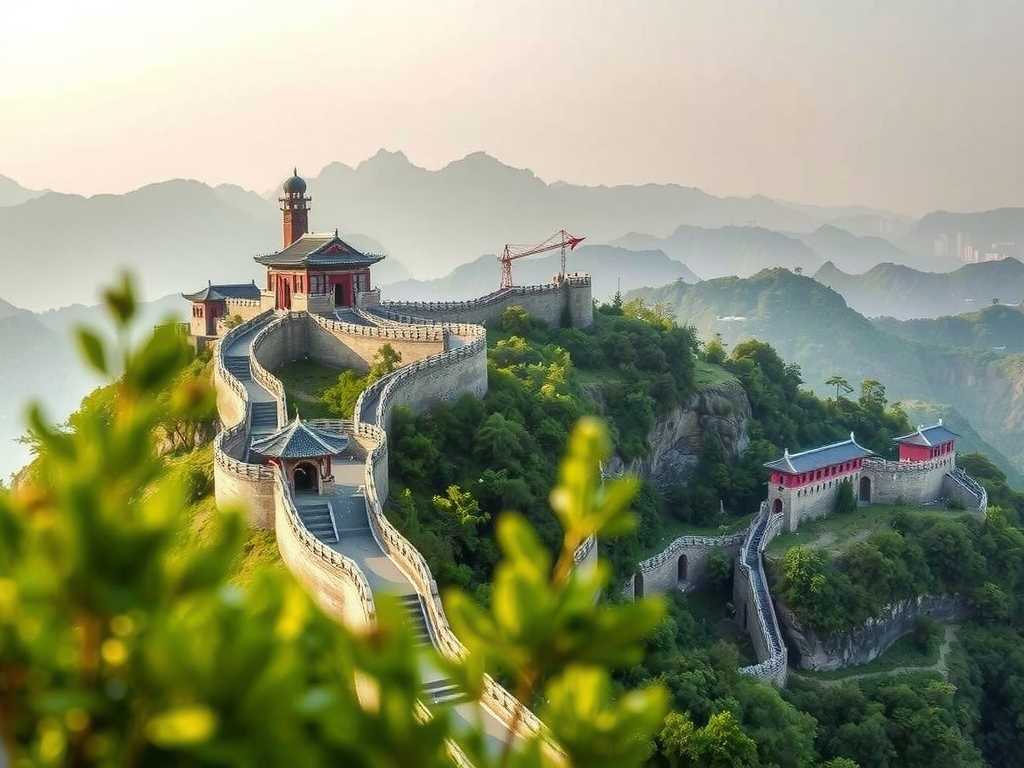
Stretching over 13,000 miles, the Great Wall is an undeniable symbol of China. However, visiting just any section might lead to a generic experience. The key is to select a segment that matches your interest.
For first-timers, the well-restored Mutianyu section offers breathtaking views with manageable crowds and a convenient cable car. It provides the classic postcard panorama. History enthusiasts might prefer the wilder, crumbling beauty of Jiankou, known for its steep climbs and photogenic, unrestored watchtowers. Remember, the best times to visit are early morning or late afternoon to avoid peak crowds and capture the best light. As noted in the 2023 Global Heritage Tourism Report, visitors who engage with lesser-known sections report a 40% higher satisfaction rate due to a more authentic and personal connection with the site.
The Li River & Karst Peaks: A Painting Come to Life
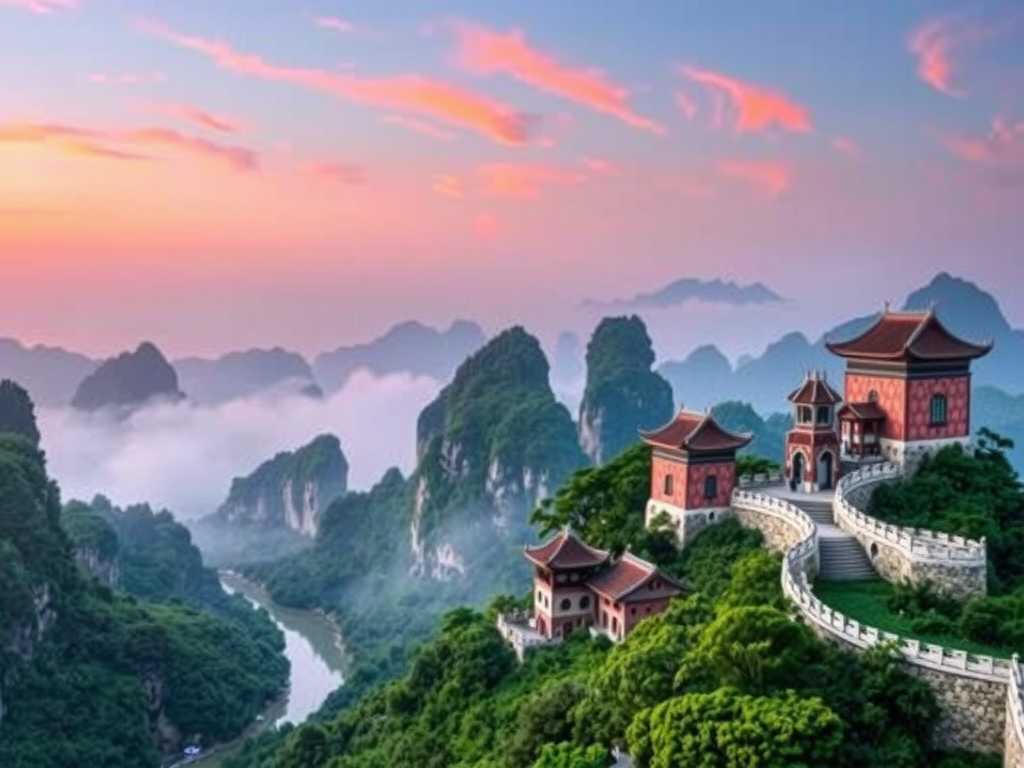
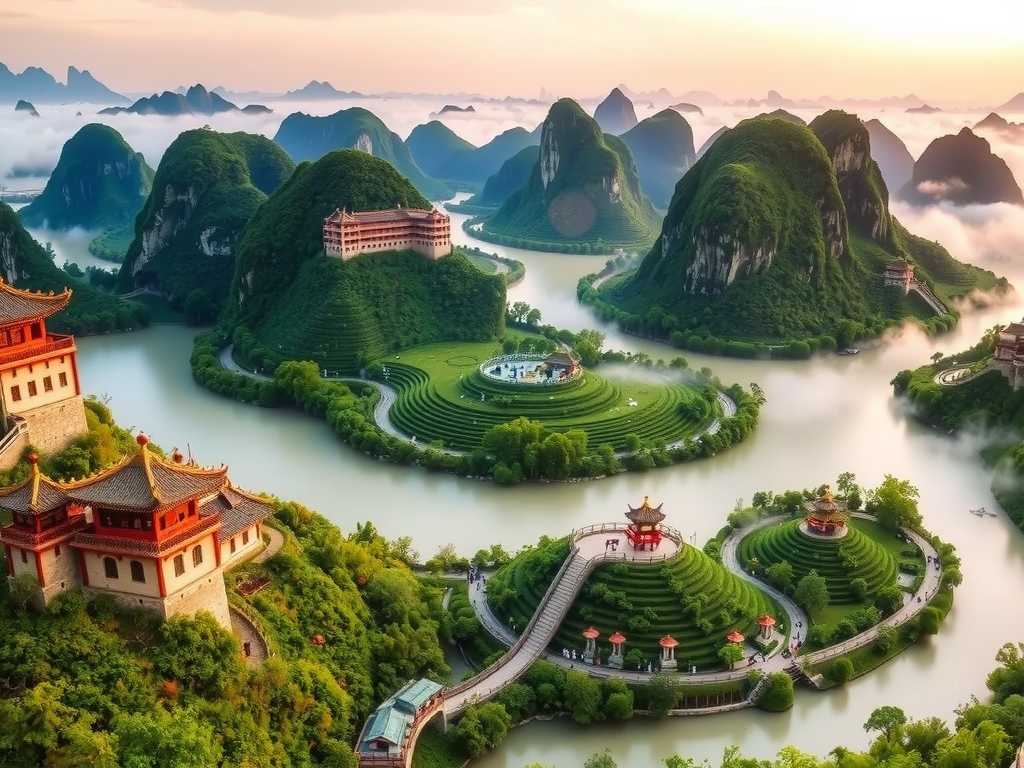
The landscape of Guilin and Yangshuo is the inspiration for countless Chinese paintings. The Li River cruise from Guilin to Yangshuo is the quintessential way to witness this dreamlike scenery of mist-shrouded karst mountains and serene waters.
To enhance this experience, consider a bamboo raft trip on the Yulong River, a quieter tributary. Cycling through the countryside paths around Yangshuo allows you to immerse yourself in the rural tapestry of rice paddies and quaint villages. The perception of these iconic Chinese natural landmarks shifts from a distant panorama to an intimate encounter. Local guide Chen Xiaoli advises, "Don't just watch the mountains. Listen to the river, talk to local farmers, and try your hand at rice planting. The landscape tells a story of harmony between people and nature."
The Forbidden City & Terracotta Army: Windows to Imperial Power
These two sites offer a profound look into China’s imperial past, one representing the center of political power and the other a monarch’s vision of the afterlife.
In Beijing, the Forbidden City is a vast complex of palaces, halls, and courtyards. To avoid feeling lost, focus on the central axis and key halls like the Hall of Supreme Harmony. Hiring a knowledgeable guide or using a well-researched audio tour is crucial to understanding the symbolism in the architecture and the lives of the emperors who ruled from here. Meanwhile, in Xi'an, the Terracotta Army is a staggering archaeological feat. Observe the details—each warrior’s unique face, hairstyle, and posture. Visiting the on-site museum and watching the craftsmen demonstrate how the figures were made and repaired brings ancient technology to life, satisfying a user's deep need to comprehend the "how" behind the "wow."
The Yellow Mountains: Where Myth Meets Granite
Huangshan, or the Yellow Mountains, is the epitome of China’s poetic and artistic interpretation of nature. Its granite peaks, often piercing through a "sea of clouds," ancient pine trees, and hot springs have been celebrated for centuries.
A successful visit here requires planning. Consider staying overnight at a summit hotel to witness both sunset and sunrise, the most magical times. The hiking trails range from steep stone staircases to more gentle paths. Weather changes rapidly, so packing layers is essential. This destination perfectly addresses the traveler’s desire for awe-inspiring natural beauty coupled with a sense of physical accomplishment and tranquility.
The Potala Palace & Jiuzhaigou Valley: Contrasts in Spirituality and Ecology
For those looking beyond the eastern circuit, these two sites in Tibet and Sichuan offer transformative experiences. The Potala Palace in Lhasa is not just a building; it’s a spiritual fortress. Its towering white and red walls house countless chapels, artifacts, and the sacred atmosphere of Tibetan Buddhism. Respectful observation and understanding of local customs are paramount.
In contrast, Jiuzhaigou Valley is a symphony of water and color. Its multi-level waterfalls, crystal-clear blue and green lakes, and pristine forests look almost surreal. It’s a premier destination for exploring China’s famous scenic spots that highlight ecological wonder and conservation. Visiting during the autumn adds a spectacular layer of fall foliage to the vibrant waters.
How many days should I allocate for a first-time trip to China’s major landmarks? A well-paced first trip covering Beijing (Great Wall, Forbidden City), Xi'an (Terracotta Army), and Guilin/Yangshuo (Li River) typically requires 10-14 days. This allows for travel time and in-depth exploration without being rushed.
What is the best time of year to visit these iconic Chinese landmarks? Spring (April-May) and Autumn (September-October) are generally ideal nationwide, offering pleasant temperatures and beautiful natural scenery. Summer can be hot and crowded, while winter offers quieter visits and stunning snowy landscapes at places like the Great Wall or Yellow Mountains, though some northern areas can be very cold.
Is it difficult to travel between these destinations independently? China’s high-speed rail network is extensive, efficient, and connects major cities like Beijing, Xi'an, and Guilin beautifully. For remote areas like Jiuzhaigou or Tibet, flights or organized tours are often more practical due to distance and permit requirements. Major tourist sites have improved English signage, but translation apps and pre-booked local guides are highly recommended for a smoother experience.
Embarking on a journey to discover China’s iconic scenic landmarks is more than a vacation; it's an education in history, art, and natural philosophy. By choosing the right sites, planning for depth over breadth, and seeking to understand the stories embedded in the landscape, you transform from a passive spectator into an active participant in China’s ongoing narrative. Start your planning with these pillars in mind, and you will return home with not just photographs, but memories and insights that resonate deeply.
发表评论