 admin
admin China's Breathtaking Scenic Attractions List: Your Ultimate Guide to Natural Wonders
Planning a trip to China can feel overwhelming. With a landmass so vast and diverse, how do you even begin to choose where to go? You've seen the iconic pictures, but you're looking for more than just a checklist. You want a journey that connects you with profound natural beauty, ancient culture, and unforgettable experiences. This definitive guide to China's most breathtaking scenic attractions cuts through the noise. We provide a curated list based on landscape, cultural significance, and unique appeal, helping you craft an itinerary that moves and inspires you.
From the jagged karst peaks of the south to the sweeping grasslands of the north, China's scenic attractions offer a visual symphony. This list is designed for the discerning traveler seeking authenticity and awe.
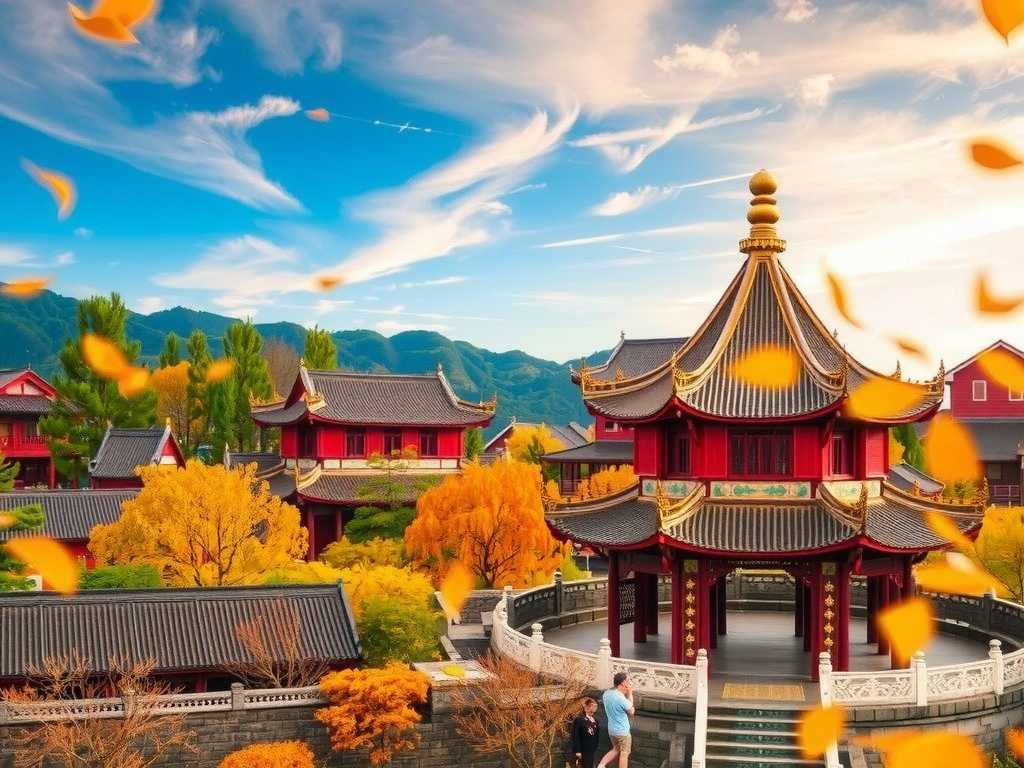
The Timeless Classics: China's Iconic Landscapes
These are the vistas that have defined China's image for centuries, immortalized in poetry and painting. They are must-see destinations for their unparalleled scale and beauty.
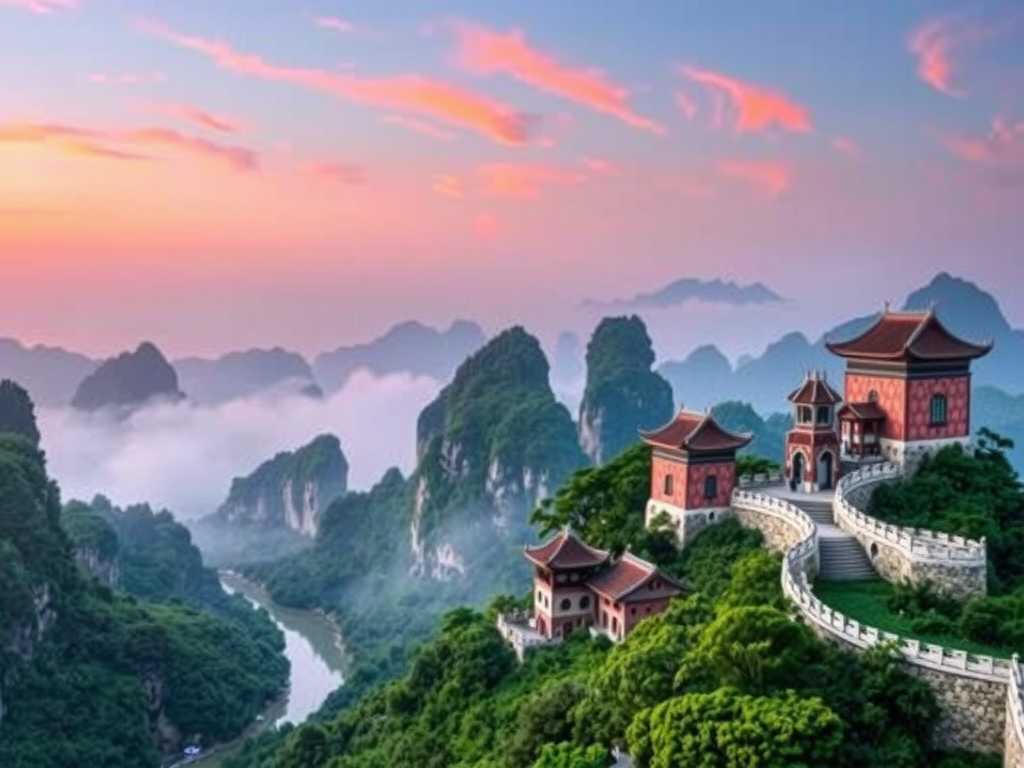
The Li River & Yangshuo Karst Formations The journey from Guilin to Yangshuo along the Li River is the quintessential Chinese landscape. Imagine gliding on a bamboo raft past endless peaks of limestone karst, their reflections shimmering in the jade-green water. It's a scene of serene, almost mythical beauty. As noted by renowned travel geographer Dr. Ming Wei, "The Li River corridor represents one of the world's finest examples of subtropical karst topography, where nature and traditional rural life exist in harmonious balance." Hike or bike through the countryside around Yangshuo for an up-close experience.
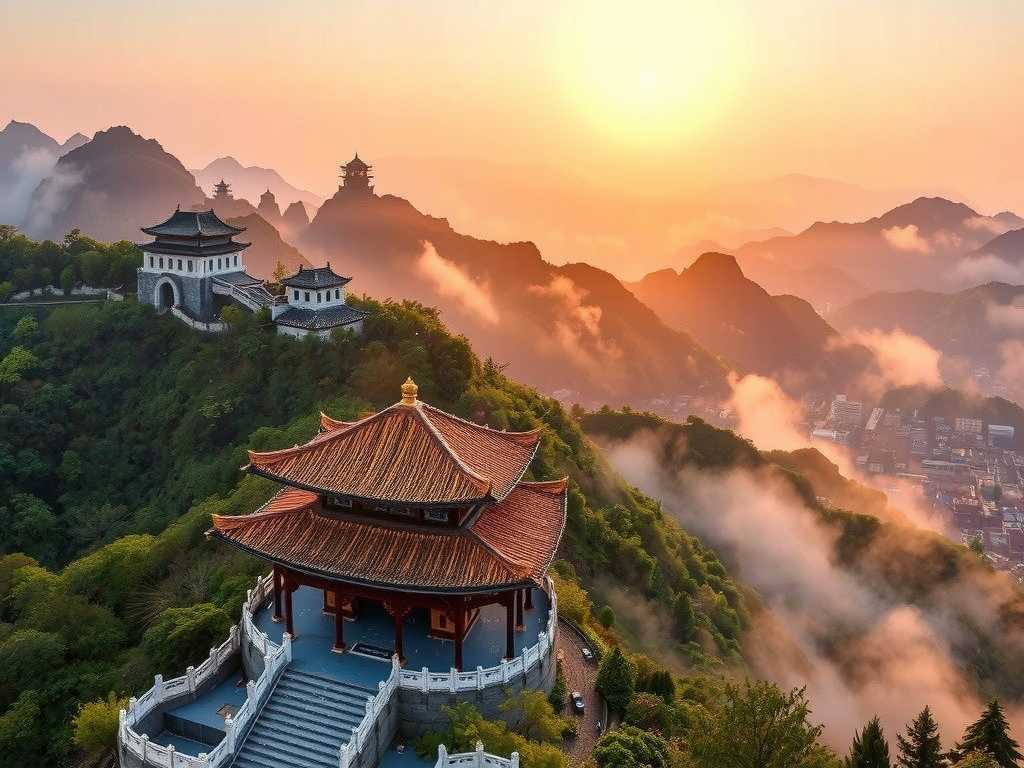
The Yellow Mountains (Huangshan) More than just a mountain range, Huangshan is a state of mind. Famous for its "four wonders"—peculiar pines, grotesque rocks, a sea of clouds, and hot springs—it offers a constantly changing spectacle. Waking at dawn to watch the sun pierce through a rolling cloud sea from a summit is a transformative experience. The trails and steps carved into the granite peaks lead you through a living ink-wash painting.
The Zhangjiajie National Forest Park This is the landscape that inspired the floating "Hallelujah Mountains" in the film Avatar. Thousands of towering sandstone pillars, some over 200 meters high, rise dramatically from the forest floor, often shrouded in mist. Walk the breathtaking glass-bottomed skywalks for a thrilling perspective, or take the Bailong Elevator—the world's tallest outdoor lift—carved right into a cliff face.
Beyond the Postcard: Diverse Natural Wonders
China's scenic diversity extends far beyond its most famous icons. These regions offer distinct ecosystems and raw, powerful landscapes.
The Rainbow Mountains of Zhangye Danxia Located in Gansu province, this geological park looks like a layered cake painted by an artist. The striated hills display vibrant bands of red, yellow, green, and blue, a result of mineral deposits and sandstone erosion over 24 million years. The colors are most vivid after rainfall, creating a surreal, almost Martian landscape that is a photographer's dream.
Jiuzhaigou Valley A UNESCO World Heritage site in Sichuan, Jiuzhaigou is a fairy-tale world of multi-colored lakes, cascading waterfalls, and snow-capped peaks. The crystal-clear, turquoise-blue lakes are so vibrant they seem unreal, colored by mineral-rich deposits and ancient submerged timber. The valley's Tibetan villages add a rich cultural layer to the stunning natural backdrop.
The Grasslands of Inner Mongolia For a complete change of scenery, head to the Hulunbuir or Xilingol grasslands. This is the China of endless skies, rolling green hills, and nomadic culture. Experience the hospitality of a yurt stay, witness breathtaking sunsets over the plains, and try your hand at horseback riding. It’s an immersive escape into a simpler, vast, and profoundly peaceful way of life.
Cultural Landscapes: Where History Meets Nature
Some of China's most scenic attractions are masterpieces of human endeavor integrated with the natural world. They tell stories of empire, faith, and agricultural ingenuity.
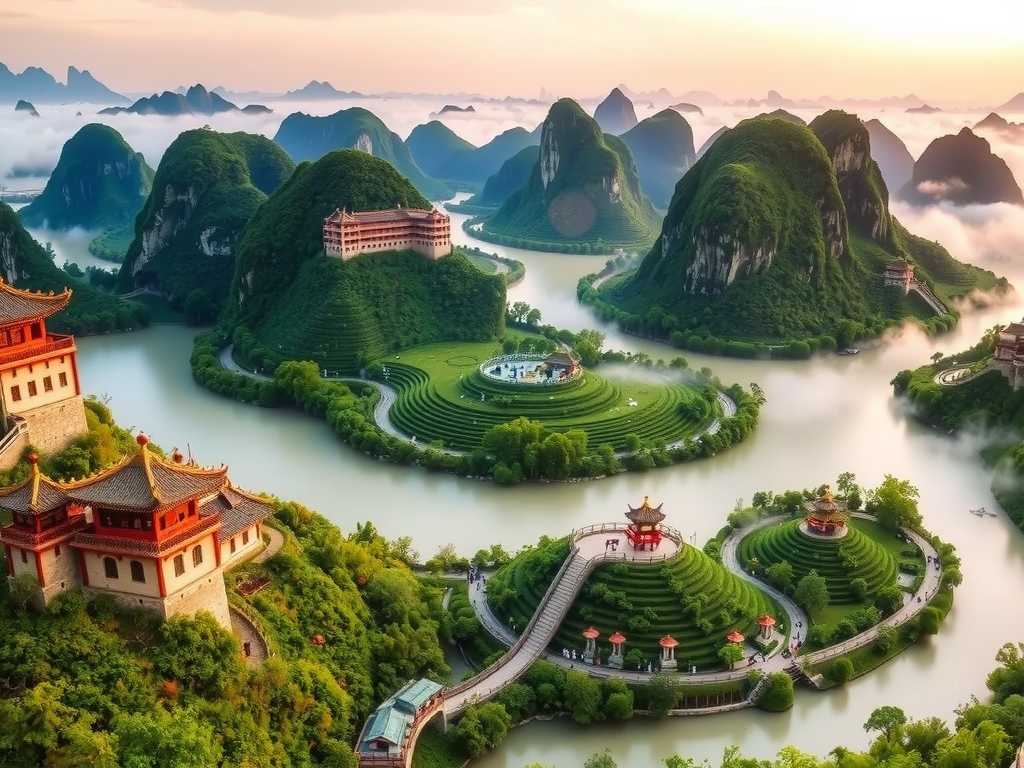
The Li River Rice Terraces Carved into the steep mountains of Guangxi over 650 years ago by the Zhuang people, the Longji (Dragon's Backbone) Terraces are a testament to human harmony with nature. From spring flooding to autumn's golden harvest, the terraces present a different breathtaking view each season. Hiking through the villages here offers insight into the enduring traditions of minority cultures.
Mount Emei and the Leshan Giant Buddha This sacred Buddhist mountain in Sichuan is famed for its lush greenery, countless temples, and elusive "sea of clouds" views. The journey culminates at the 71-meter tall Leshan Giant Buddha, carved into a cliff face overlooking the confluence of three rivers. Sitting serenely for over 1,200 years, it is the largest stone Buddha in the world and a humbling sight that blends spiritual grandeur with natural majesty.
West Lake, Hangzhou Celebrated by poets and artists for millennia, West Lake is the pinnacle of Chinese garden landscape design. It’s not a wild natural wonder, but a meticulously curated scene of pagodas, causeways, willow trees, and lotus ponds framed by gentle hills. Strolling or boating here is to experience the classical Chinese ideal of beauty—a perfect, tranquil composition meant for contemplation.
Planning Your Journey to China's Scenic Attractions
To truly enjoy these destinations, thoughtful planning is essential. Consider the season—spring and autumn generally offer the best weather and colors. Book accommodations and key transport well in advance, especially for national holidays. For remote natural parks like Jiuzhaigou or Zhangjiajie, allow multiple days to fully appreciate their scale. Hiring a local guide can provide deeper cultural and historical context, enhancing your experience far beyond a self-guided tour.
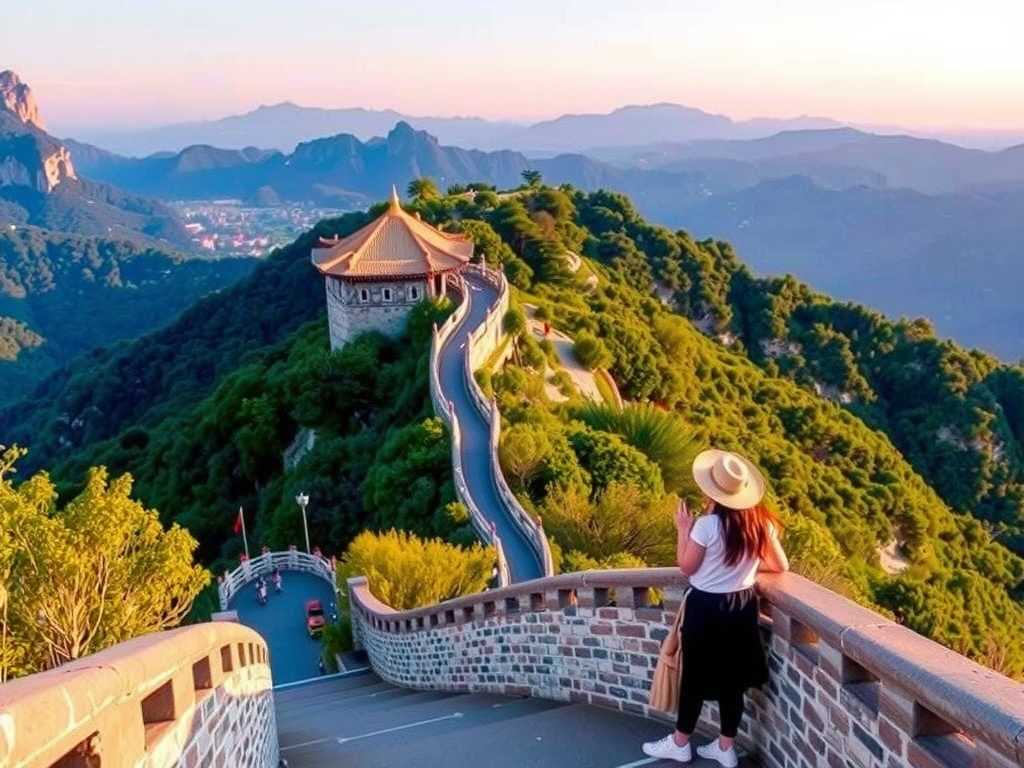
What is the best time of year to visit most of China's scenic attractions? The optimal windows are generally spring (April-May) and autumn (September-October). These seasons offer mild temperatures, lower rainfall, and beautiful natural colors—spring blossoms or autumn foliage. However, some destinations have unique seasonal appeals, like snow-covered Huangshan in winter or the lush greenery of Jiuzhaigou in summer.
Are these scenic spots suitable for families with children or older travelers? Yes, but with planning. Destinations like West Lake, the Li River cruise, and Zhangye's boardwalks are highly accessible. For mountainous areas like Huangshan or Zhangjiajie, assess physical fitness as they involve significant walking and stairs. Many parks offer cable cars and shuttle buses to reduce strenuous hiking. Always check for specific accessibility options.
How can I travel responsibly when visiting these natural areas? Responsible travel is crucial. Always stay on marked trails to protect fragile ecosystems, carry out all your trash, and avoid using single-use plastics. Respect local customs, especially in ethnic minority regions and sacred sites. Choose tour operators with clear sustainability policies, and consider visiting during shoulder seasons to help reduce overtourism pressures on popular sites.
China's breathtaking scenic attractions list is a gateway to experiences that resonate on a deep level. Whether you seek the solace of a misty mountain, the wonder of a technicolor landscape, or the profound peace of a ancient cultural site, this diverse country holds a masterpiece waiting for you. By choosing destinations that align with your interests and traveling with mindfulness, your journey will become more than a vacation—it will be a collection of moments that stay with you forever. Start planning your adventure into the heart of China's natural and cultural splendor today.

发表评论