 admin
admin China’s Scenic Gems: Hidden Travel Treasures Beyond the Great Wall and Terracotta Warriors
You’ve seen the postcards: the majestic Great Wall snaking over mountains, the silent rows of the Terracotta Army, the futuristic skyline of Shanghai. But what if the real soul of China lies not in these iconic, crowded sites, but in places where ancient traditions breathe freely, where landscapes defy imagination, and where your journey feels uniquely your own? The common traveler’s pain point is clear: navigating China’s vastness only to experience packaged tourism, missing the authentic, undiscovered beauty that makes for a truly transformative trip. This guide is your key to unlocking those secret places. We will explore China’s hidden travel treasures—spectacular scenic gems that remain under the radar of mainstream tourism, offering profound cultural immersion and untouched natural splendor.
Discovering China’s Lesser-Known Landscape Marvels
While famous destinations have their appeal, China’s true geographical diversity is showcased in its hidden corners. These areas offer not just visual grandeur but also a respite from the crowds.

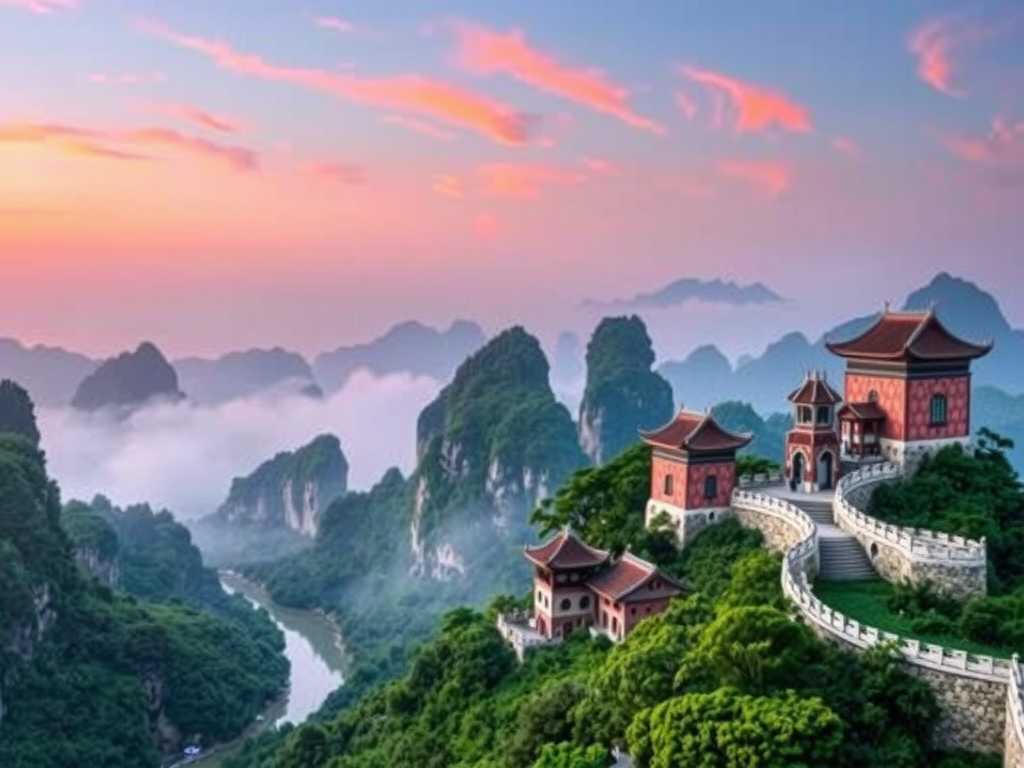
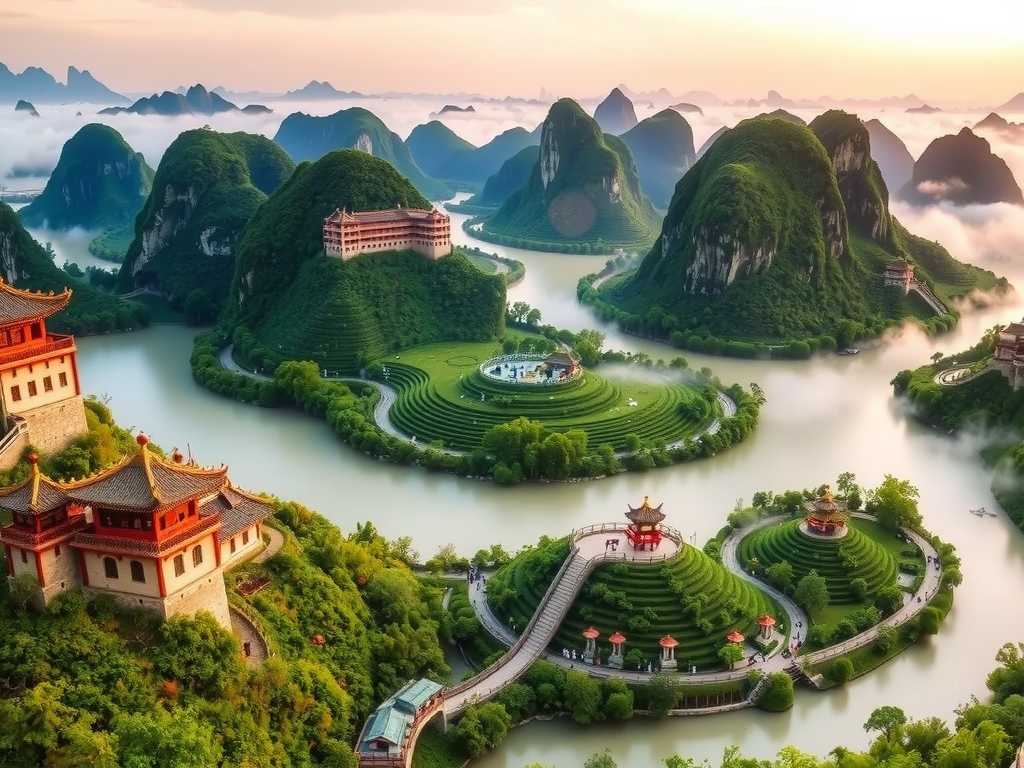
The Otherworldly Karst Forests of Wulingyuan Beyond Guilin’s popular Li River, the Wulingyuan Scenic Area in Hunan province is a UNESCO World Heritage site that feels like a different planet. Imagine over 3,000 quartzite sandstone pillars, some over 200 meters tall, shrouded in mist and draped with verdant foliage. As noted by geologist Dr. Li Wen in a 2022 China Geographic report, “The scale and density of these natural skyscrapers are unparalleled, forming the most complete and dramatic example of sandstone peak forest topography in the world.” Hike the less-trodden paths in Zhangjiajie National Forest Park, and you might have a vista of the “Avatar Mountains” all to yourself. The experience is far more immersive than any crowded river cruise.
The Rainbow Mountains of Zhangye Danxia Move over, painted hills. The Zhangye Danxia Landform in Gansu is a geological masterpiece. These mountains aren’t merely scenic gems; they are a vibrant canvas of striated reds, yellows, oranges, and greens, formed by mineral deposits and sandstone over 24 million years. The best time to visit is at sunrise or sunset when the low angle of the sun intensifies the colors, creating a surreal, fiery landscape. Unlike single-viewpoint attractions, exploring the park’s multiple boardwalk-covered viewing platforms allows you to appreciate the vast, multi-hued spectacle from different angles, a truly dynamic natural art exhibit.
Immersive Cultural Journeys in Ancient Communities
True travel treasures are not just about scenery; they are about connecting with living history and culture. These destinations offer a window into China’s diverse ethnic tapestry and ancient ways of life.
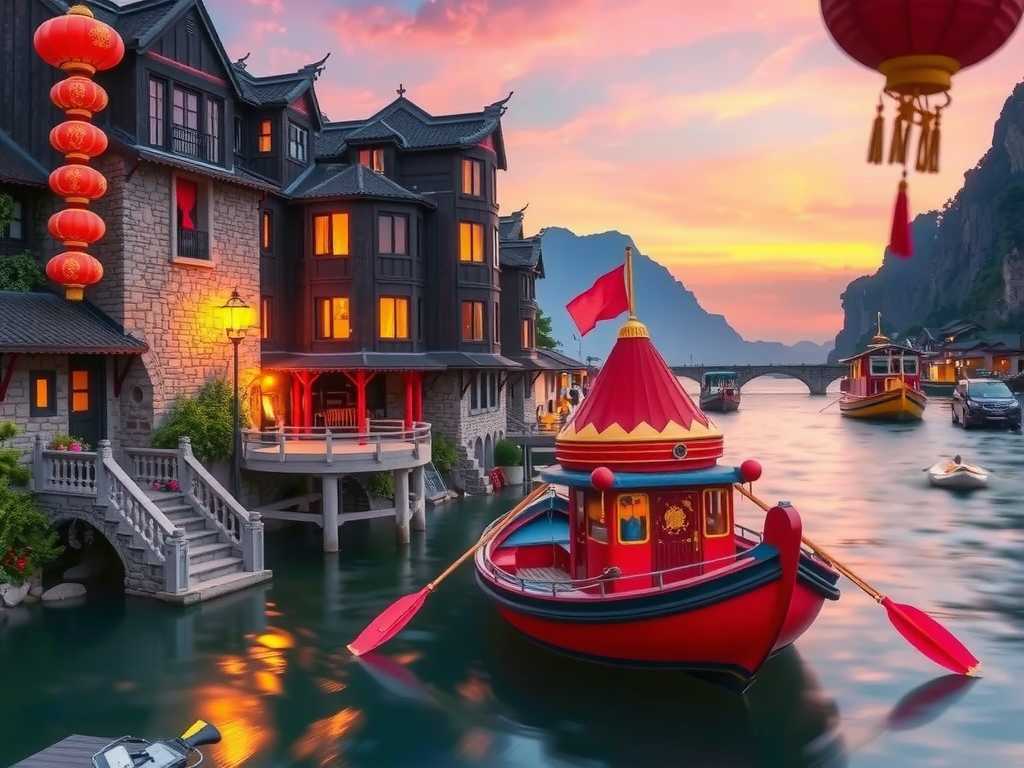
The Timeless Water Towns of Zhejiang: Xitang & Nanxun While Suzhou and Zhouzhuang draw the crowds, the quieter water towns of Xitang and Nanxun preserve a more authentic atmosphere. Xitang is famous for its covered corridors that line the canals, allowing you to stroll peacefully even in the rain. Nanxun, once a hub for silk merchants, blends Chinese and European architectural influences, with serene gardens and libraries. Here, you can sip tea in a centuries-old house, watch locals go about their day on the waterways, and experience the slow, rhythmic pace of life that has endured for generations. It’s a profound cultural immersion far removed from the theme-park feel of more commercialized towns.
The Frontier Fortress of Pingyao, Shanxi Pingyao Ancient City is a UNESCO site that often gets overshadowed by Xi’an. But this is arguably China’s best-preserved walled Han Chinese city, a complete time capsule from the Ming and Qing dynasties. Walking its cobbled streets, you are transported to an era when it was the financial center of the empire. You can stay in a traditional courtyard inn, explore former draft banks, and walk the entire circumference of the imposing city walls. The experience offers a tangible, step-by-step understanding of China’s mercantile history that no museum can replicate.
Adventure and Solitude in Remote Natural Sanctuaries
For the adventurous spirit seeking solitude, China’s remote borders and high-altitude regions hide some of its most spectacular scenic gems.
The Heavenly Lake of Namtso, Tibet At an elevation of 4,718 meters, Namtso Lake is one of Tibet’s three sacred lakes. Its name translates to “Heavenly Lake,” and the experience justifies it. The water is a breathtaking shade of turquoise and blue, set against the backdrop of the snow-capped Nyenchen Tanglha mountains. The sense of spiritual serenity and raw, untouched nature is overwhelming. Visiting requires planning and acclimatization, but the reward is an encounter with a landscape that feels truly divine and far from the modern world—a definitive hidden treasure for the intrepid traveler.
The Primitive Beauty of Kanas Lake, Xinjiang Tucked in the Altai Mountains near China’s border with Kazakhstan, Mongolia, and Russia, Kanas Lake is a region of alpine meadows, dense Siberian taiga forests, and crystal-clear waters that change color with the seasons. It is the homeland of the Tuva ethnic group. You can hike to the Fish Viewing Pavilion for a panoramic view, stay in a traditional Tuva log cabin, and listen to local legends about the lake’s resident “monster.” The blend of pristine ecology and unique ethnic culture makes it an unparalleled destination for those looking to venture off the standard Silk Road itinerary.
What is the best time of year to visit these hidden destinations in China? Spring (April-May) and Autumn (September-October) are generally ideal nationwide, offering mild weather and clear skies. However, consider regional specifics: Zhangye’s colors pop in clear summer or autumn light, while Kanas is most vibrant in September when the forests turn gold. Tibet is best visited from May to October for safer road conditions.
Are these hidden gems difficult for foreign tourists to access? Accessibility varies. Places like Pingyao and the water towns are well-connected by high-speed rail and easy to visit independently. Remote areas like Kanas or Namtso often require private transport, permits (especially for Tibet), and sometimes a guided tour. Research and planning are essential, but the logistical effort is part of what keeps these places authentic.
How can I travel responsibly to these pristine locations? Practice “Leave No Trace” principles meticulously. Support local communities by choosing homestays or family-run inns, purchasing local crafts, and being respectful of cultural and religious customs, particularly in ethnic regions and sacred sites like Namtso. Your mindful presence helps ensure these treasures remain preserved for future visitors.
Venturing into China’s hidden travel treasures offers more than just a checklist of sights; it offers a deeper narrative. It’s a journey through geological time in Zhangye, a walk through living history in Pingyao, and a moment of spiritual awe by the shores of Namtso. These scenic gems provide the space for personal discovery and a genuine connection with China’s profound natural and cultural heritage. By looking beyond the famous icons, you don’t just visit China—you experience its enduring, lesser-known soul.
发表评论