 admin
admin China’s Cultural Scenic Sites: Must-Visit Destinations for Every Traveler
Planning a trip to China can feel overwhelming. With a history spanning thousands of years and a territory vast enough to contain countless climates and landscapes, how do you choose where to go? The real challenge isn't finding cultural sites, but identifying the truly unmissable ones that offer a profound connection to China's soul, beyond the usual tourist trails. This guide cuts through the noise to bring you the essential China’s cultural scenic sites that blend breathtaking natural beauty with deep historical significance, ensuring an authentic and unforgettable journey.
Understanding the Harmony of Culture and Landscape
Unlike many destinations where nature and man-made structures exist separately, China’s philosophy emphasizes harmony between heaven, earth, and humanity. This is embodied in its cultural scenic sites, where architecture, art, and spirituality are intricately woven into the natural environment. Visiting these places isn't just about seeing a temple or a mountain; it's about experiencing a living testament to Chinese aesthetics, philosophy, and history. As noted by cultural historian Dr. Li Wei, "The placement of a pavilion, the framing of a view through a moon gate, the path of a pilgrimage route—all are deliberate acts of poetic inscription upon the landscape."
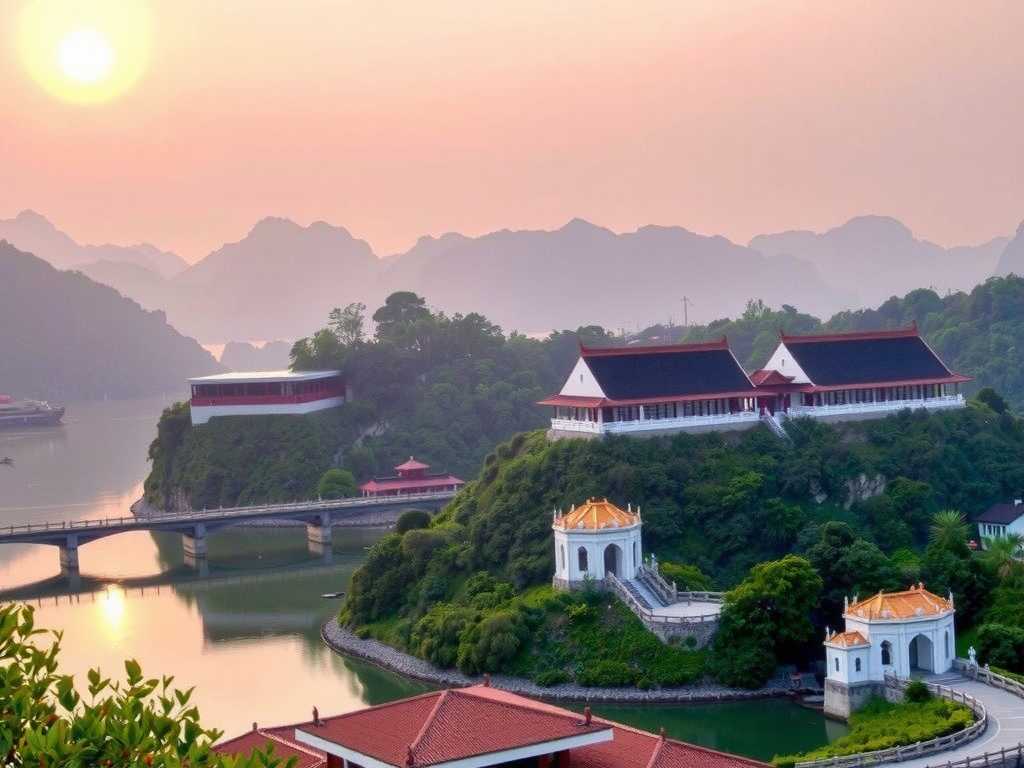
The Great Wall: More Than a Fortification
No list is complete without the Great Wall. Stretching over mountains and deserts, it is the ultimate symbol of China’s architectural might and historical perseverance. However, to move beyond the postcard image, seek out sections like Jinshanling or Mutianyu. These offer a more immersive experience where you can walk along remarkably preserved watchtowers, with rolling, forested hills stretching into the distance. Here, the Wall is not just a wall; it’s a ribbon of history integrated into the very spine of the land. The hike reveals its strategic genius and the sheer human effort involved, making it a profound must-visit cultural landscape.
The Li River & Karst Peaks: A Painting Come to Life
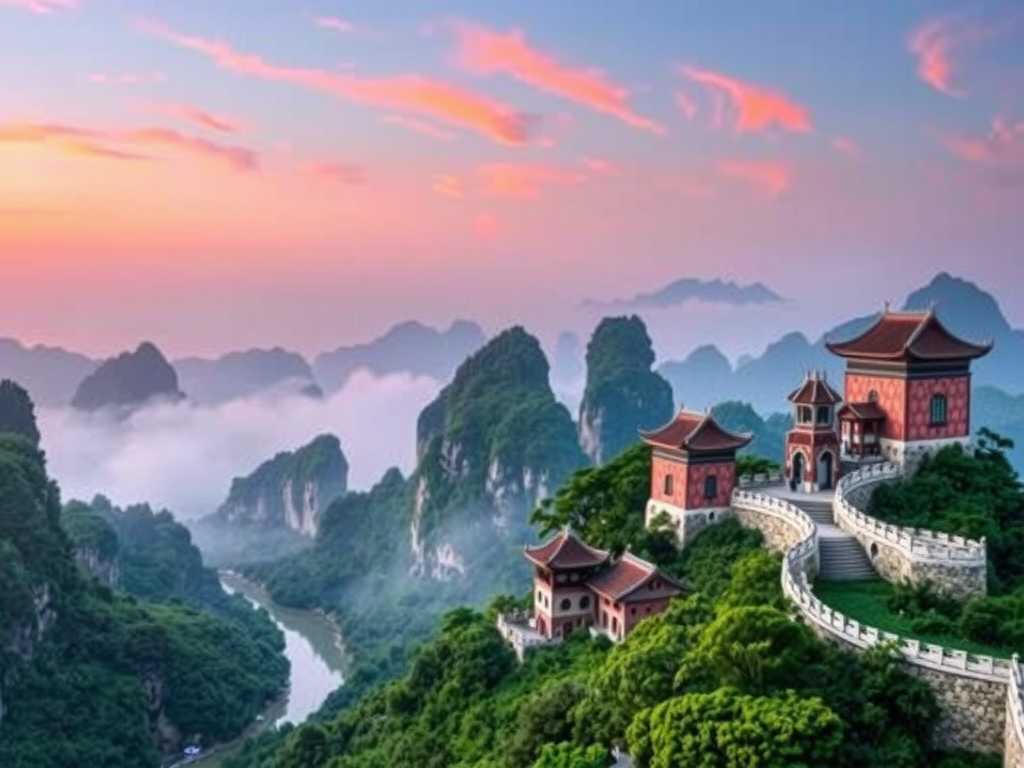
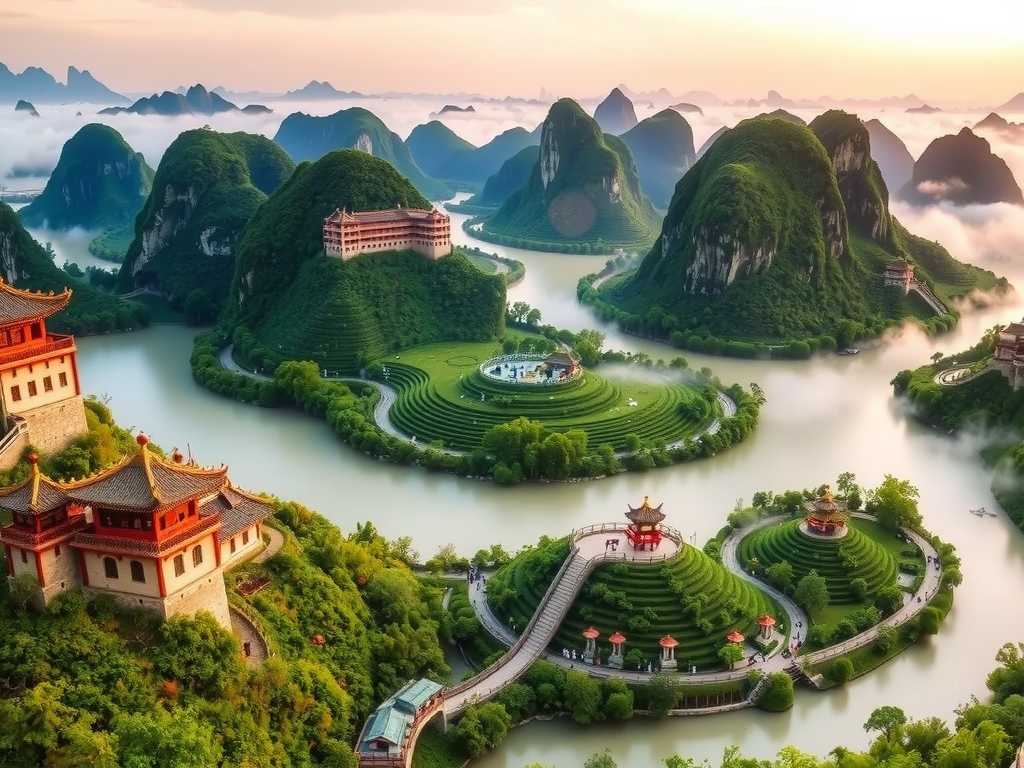
The scenery along the Li River in Guilin and Yangshuo is the physical manifestation of classical Chinese painting. Towering karst limestone peaks shrouded in mist rise abruptly from emerald-green rivers and rice paddies. This is a cultural scenic site defined by natural artistry that has inspired poets and painters for centuries. The best way to experience it is on a leisurely bamboo raft cruise. You’ll witness local fishermen using traditional cormorant birds, see water buffaloes grazing, and pass by ancient villages. It’s a serene, almost dreamlike journey through a timeless agrarian China.
The Forbidden City & Imperial Beijing
While a cityscape, the Forbidden City in Beijing is a masterclass in cultural landscape design on a monumental scale. Its rigid north-south axis, the symbolism in its color schemes (yellow roofs for the emperor, blue for the heavens), and the precise hierarchy of its courtyards and halls all reflect Confucian order and cosmic principles. Adjacent to it, the man-made Summer Palace takes a different approach. It is a masterpiece of Chinese landscape garden design, where Kunming Lake and Longevity Hill are adorned with pavilions, temples, and bridges to create a perfect balance, offering the imperial family a "borrowed view" of the Western Hills. Together, they represent the pinnacle of planned cultural environments.
The Sacred Mountains: Pathways to Enlightenment
China’s Five Great Mountains (Taishan, Huashan, Hengshan in Hunan, Hengshan in Shanxi, and Songshan) are perhaps the purest form of cultural scenic sites. For millennia, they have been sacred destinations for Taoist and Buddhist pilgrims, scholars, and emperors. Mount Tai in Shandong, the most revered, is known as the "first mountain under heaven." Climbing its 7,000+ stone steps is a physical and spiritual ascent, past ancient stone inscriptions, towering gateways, and temples clinging to cliffs. Reaching the summit for sunrise is a tradition that connects you to countless pilgrims before you, all seeking blessings and cosmic unity atop this cultural and natural monument.
The Water Towns of the Yangtze Delta
Step into the romantic China of canals, stone bridges, and whitewashed houses with black-tiled roofs in towns like Zhouzhuang, Tongli, or Wuzhen. These living museums preserve the layout and atmosphere of Ming and Qing dynasty merchant life. Gliding through narrow canals on a hand-rowed boat, you see daily life unfold along the water’s edge and hear local operas from teahouses. These towns are a delicate, human-scale cultural landscape, showcasing how communities adapted to and thrived within a networked aquatic environment.
The Terracotta Army & The Ancient Silk Road
In Xi’an, the Terracotta Army is a stunning archaeological must-visit site, guarding the tomb of China’s first emperor. The scale and individuality of the thousands of life-sized figures speak to incredible ancient craftsmanship and power. To understand the context of its cultural exchange, look west along the ancient Silk Road. The Mogao Caves near Dunhuang are a "library in the desert," housing a millennium of breathtaking Buddhist art and manuscripts. The juxtaposition of the lush Jiayuguan Pass against the stark Gobi Desert illustrates the stark reality of this historical trade and cultural corridor.

Tibet’s Potala Palace: A Palace in the Sky
Perched atop Marpo Ri hill in Lhasa, the Potala Palace is an awe-inspiring fortress-palace-monastery that dominates the skyline. Its towering white and red walls, golden roofs, and over 1,000 rooms are a monumental fusion of Tibetan Buddhist architecture and the harsh, high-altitude environment. Visiting is a journey into Tibetan culture and spirituality. The palace itself, along with the surrounding pilgrim circuit and views of the Himalayas, creates a cultural scenic site of unparalleled spiritual and visual power.
Frequently Asked Questions
What is the best time of year to visit these cultural scenic sites in China? Spring (April-May) and autumn (September-October) are generally ideal, offering mild weather and clear skies. However, consider regional variations: southern water towns are lovely year-round but can be hot in summer, while the Great Wall is spectacular with autumn foliage or a dusting of winter snow.
How can I visit these sites respectfully as a foreign tourist? Always follow local rules, speak quietly in sacred spaces, and ask permission before photographing people. Dress modestly, especially at religious sites. Hiring a knowledgeable local guide not only enriches your understanding but also supports the community and helps you navigate cultural nuances.
Are these destinations suitable for families with children or travelers with mobility issues? Many sites have become more accessible. The Forbidden City and parts of the Great Wall like Mutianyu have cable cars. Water towns are generally flat and easy to navigate. However, sacred mountain climbs and remote areas like Tibet require good physical fitness and acclimatization. Always research specific accessibility options in advance.
Exploring China’s cultural scenic sites is a journey through layers of time, art, and philosophy. From walking the ancient stones of the Great Wall to floating down the painterly Li River, each destination offers a unique dialogue between human achievement and the natural world. By choosing these essential locations, you move beyond simple sightseeing to engage with the enduring spirit and aesthetic heart of Chinese civilization, creating memories that are as deep as the history they represent.
发表评论