 admin
admin Scenic Wonders of China: The Ultimate Travel Bucket List
Dreaming of an unforgettable adventure but overwhelmed by the sheer scale and choices in China? You're not alone. Many travelers struggle to move beyond the iconic Great Wall and Forbidden City, missing out on the profound diversity of landscapes that make China a true geographical masterpiece. This guide is your curated solution, designed to transform that overwhelming list into an achievable and awe-inspiring travel bucket list. We'll navigate beyond the postcard images to the heart of China's most spectacular scenic wonders, offering practical insights to plan your journey of a lifetime.
Why China's Landscapes Belong on Every Bucket List

China's territory spans deserts that whisper ancient secrets, mountains that pierce the clouds, rivers that have carved history into stone, and karst forests that look like paintings come to life. This isn't just tourism; it's an exploration of the planet's dramatic artistry. According to a report by the China National Tourism Administration, over 65% of international visitors cite "unique natural scenery" as their primary motivator for visiting, highlighting the universal draw of these wonders. Crafting a bucket list around these sights means committing to experiences that engage all your senses and leave a permanent imprint on your memory.
The Must-See Natural Marvels: From Avatar Mountains to Rainbow Valleys
To truly appreciate China's scope, we've categorized its wonders into distinct, experience-based themes. This structure helps you tailor your bucket list based on your personal travel style, whether you seek serene reflection or adrenaline-pumping vistas.
The Karst Dreamscapes of Southern China
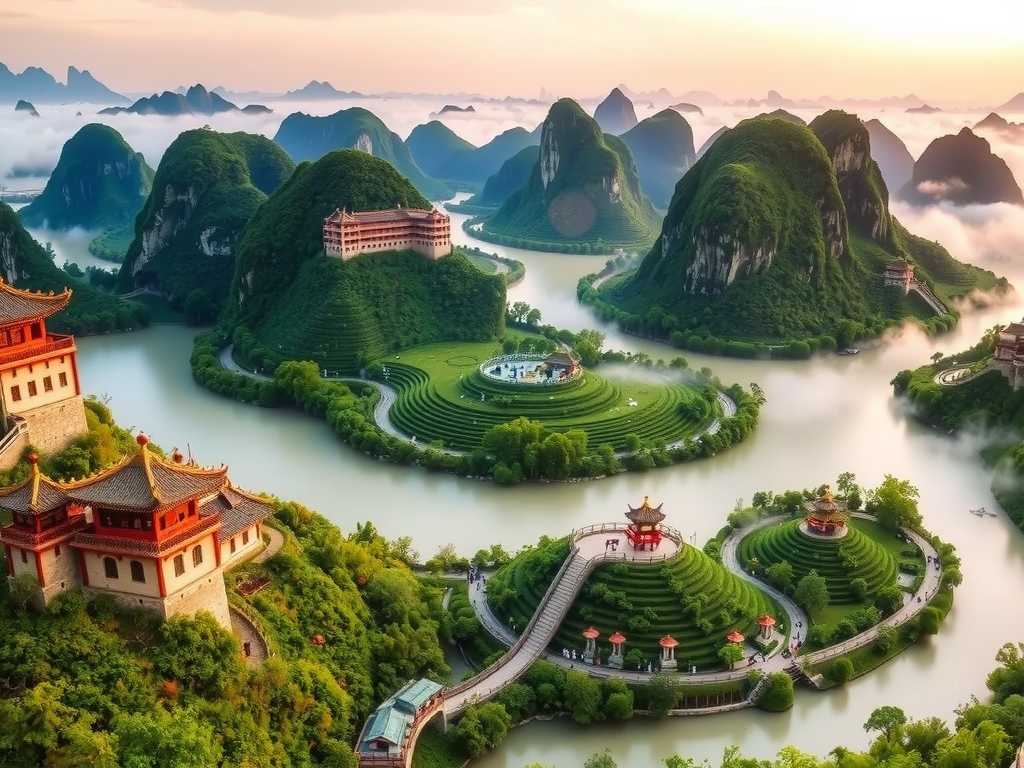
The otherworldly karst landscapes of Guangxi and Guizhou provinces seem sculpted by a divine hand. This region offers a gentle yet profoundly beautiful introduction to China's natural artistry.
- Li River & Yangshuo: The classic image of China's serene beauty. A Li River cruise from Guilin to Yangshuo is a journey through a living scroll painting. Limestone peaks draped in mist rise vertically from the jade-green water, with fishermen and water buffalo dotting the shores. For an active immersion, rent a bicycle and explore the countryside pathways, weaving through tiny villages and past rice paddies with those majestic peaks as a constant backdrop.
- Zhangjiajie National Forest Park: The inspiration for the floating Hallelujah Mountains in the film Avatar. Here, thousands of quartz-sandstone pillars, some over 200 meters tall, form a dense, towering forest of stone. Walk the vertigo-inducing glass-bottomed bridges, ride the Bailong Elevator built onto the side of a cliff, and breathe the crisp air at these dizzying heights. It's a landscape that challenges perception and showcases nature's monumental scale.
The Colossal Peaks and Spiritual Highlands
For those drawn to heights and a sense of sacred tranquility, China's western and Tibetan regions offer unparalleled mountain vistas and cultural depth.
- Mount Everest Base Camp (North Face), Tibet: While Nepal offers one approach, the Tibetan side presents a vastly different, more starkly majestic view of the world's highest peak. The drive across the Tibetan Plateau to Rongbuk Monastery—the highest monastery in the world—is an adventure in itself. Standing at the base camp, you witness the sheer north face of Everest, a silent, powerful monument that embodies the ultimate bucket list achievement for many.
- Jiuzhaigou Valley, Sichuan: Often called a "fairyland on earth," Jiuzhaigou is a series of multi-level, crystal-clear lakes connected by cascading waterfalls and streams. The water's stunning turquoise, blue, and green hues, caused by mineral deposits and reflected sunlight, are almost unreal. Visit in autumn when the surrounding forests explode in gold, red, and orange, creating a contrast of color that is nothing short of magical.
The Surreal and Vibrant Geological Formations
China's deserts and canyons hold some of its most visually striking and photogenic secrets, where the earth itself becomes a canvas of intense color and form.
- Zhangye Danxia Landform, Gansu: Imagine mountains striped like layered candy in vivid reds, yellows, oranges, and greens. This 24-million-year-old geological phenomenon, often likened to a "rainbow mountain," is the result of mineral deposits and sandstone being pressed together over eons. The best time to visit is at sunset or sunrise when the low angle of the sun intensifies the colors, making the hills appear to glow from within.
- The Stone Forest (Shilin), Yunnan: A vast labyrinth of towering gray limestone pillars that indeed resemble a petrified forest. Created by water eroding the bedrock over 270 million years, walking through Shilin feels like exploring an ancient, silent city. The local Sani people, a branch of the Yi ethnicity, add rich cultural context with their folklore that breathes stories into the strange stone shapes.
Crafting Your Personalized China Scenic Wonders Itinerary
A great bucket list needs a great plan. Simply listing destinations isn't enough; strategic planning ensures you experience them fully.
Prioritizing Based on Season and Interest
- Spring (April-May) & Autumn (Sept-Oct): These are universally the best times to visit most scenic wonders in China. The weather is mild, skies are clearer, and natural colors are vibrant—from spring blossoms to autumn foliage. This is ideal for Jiuzhaigou, Zhangjiajie, and the Li River.
- Summer & Winter: Summer (June-August) is perfect for the high-altitude, cooler climates of Tibet. Winter offers crowd-free visits to places like the Great Wall and Harbin's Ice Festival, though some mountain areas may be inaccessible or very cold.
Practical Logistics for a Seamless Journey
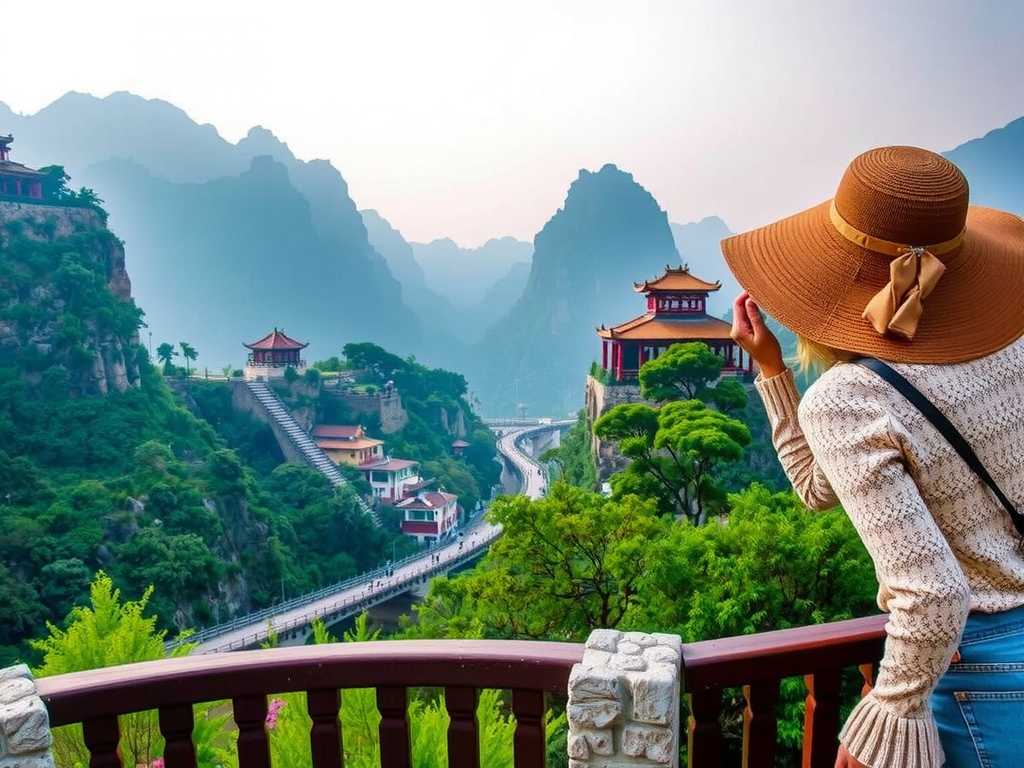
Navigating China's vast distances is key. Domestic flights connect major hubs quickly. For shorter distances or more scenic routes, China's high-speed rail network is efficient, comfortable, and offers a window to the countryside. Always book accommodations and domestic transport well in advance, especially during national holidays like Golden Week. Consider hiring a local guide for remote areas like Tibet; they provide invaluable cultural insight and handle complex permit requirements.
Embracing the Experience: Beyond the Viewpoint
The true magic happens when you move past the photo op. Get up for sunrise at the Great Wall when it's shrouded in mist. Spend a night in a Tibetan homestay near Everest. Learn a few basic Mandarin phrases—the effort is always appreciated. As renowned travel writer and China expert Daisann McLane notes, "The most profound wonders in China are often found in the intersection of the landscape and the millennia of human life that has adapted to it." Respect local customs, travel sustainably by staying on paths and carrying out trash, and allow for serendipity—your most memorable moment might be a shared tea with a local farmer, not just the view itself.
Frequently Asked Questions
What is the single most impressive natural wonder in China for first-time visitors? While subjective, Zhangjiajie National Forest Park offers a uniquely dramatic and accessible "wow" factor. Its Avatar-inspired pillars, combined with excellent tourist infrastructure like cable cars and walkways, make its surreal beauty achievable for most travelers, providing an immediate and unforgettable sense of China's natural grandeur.
How many days do I need to cover the major scenic highlights? A realistic minimum is 12-14 days to cover two distinct regions without rushing. For example, you could combine 5 days for Zhangjiajie and the karst landscapes of Guangxi with 7 days for Sichuan's Jiuzhaigou and Chengdu. To include a more logistically complex area like Tibet, you would need a minimum of 18-21 days for a comprehensive trip.
Is it difficult to travel independently to these natural sites, given the language barrier? It is increasingly feasible with technology. Apps like translation tools, digital maps, and ride-hailing services have simplified independent travel. However, for remote areas (e.g., Tibet, parts of Sichuan) or for deeper cultural immersion, using a reputable local travel agency to arrange drivers, guides, and permits can transform a challenging trip into a seamless and enriching experience.
From the rainbow ridges of Zhangye to the silent, soaring peaks of the Himalayas, China's landscapes offer a lifetime of exploration. This travel bucket list is more than a checklist; it's an invitation to witness the earth's history written in stone, water, and color. By planning thoughtfully, traveling respectfully, and engaging fully with each destination, you'll do more than just see these wonders—you'll experience the profound and enduring spirit of one of the world's most geographically magnificent countries. Start planning, the adventure awaits.

发表评论