 admin
admin Discover Scenic China: Your Ultimate Guide to the Most Popular Tourist Sites
Planning a trip to China can feel overwhelming. With a vast territory spanning ancient history and breathtaking modern landscapes, how do you choose where to go? You want to see the iconic sights, immerse yourself in rich culture, and create unforgettable memories—without missing the absolute must-see destinations. This guide cuts through the noise, bringing you directly to the heart of Scenic China and its most popular tourist sites. We’ve curated a journey through legendary landmarks, natural wonders, and cultural treasures that define the Chinese travel experience, providing you with the clarity and insight needed to plan your perfect adventure.
The Timeless Icons: China's World-Famous Landmarks
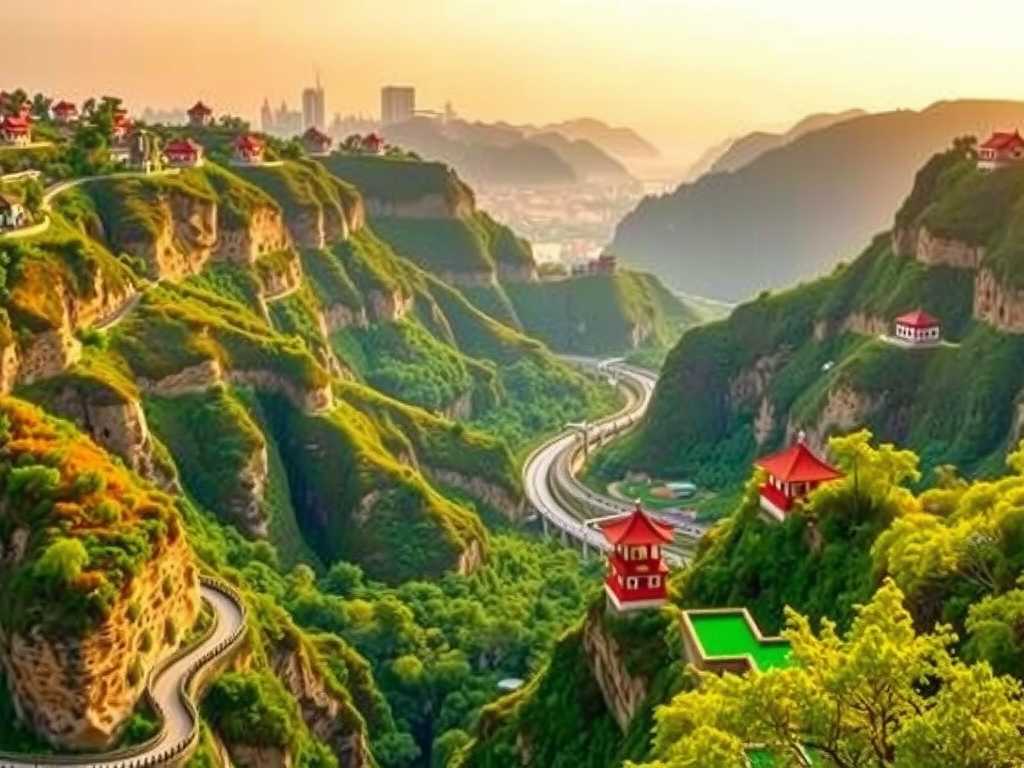
No visit to China is complete without witnessing its legendary symbols. These sites offer more than just a photo opportunity; they are profound encounters with history and human achievement.
The Great Wall of China Stretching over 13,000 miles, the Great Wall is an undeniable testament to ancient engineering. The key to a great visit is choosing the right section. For first-timers, the well-restored Mutianyu section offers stunning views with slightly smaller crowds and a convenient cable car option. For a more rugged and photogenic experience, consider Jinshanling. Remember, comfortable shoes are non-negotiable. The best times to visit are spring (April-May) and autumn (September-October) for pleasant weather and clearer skies.
The Forbidden City, Beijing Once the exclusive domain of emperors, the Forbidden City in Beijing is the world's largest imperial palace complex. To navigate its nearly 1,000 buildings, focus on the central axis: the Meridian Gate, the Hall of Supreme Harmony, and the Imperial Garden. A pro tip, endorsed by leading travel historians, is to book your tickets online well in advance to avoid long queues. Allocate at least half a day to truly appreciate its scale and grandeur.
The Terracotta Army, Xi'an Discovered in 1974, this subterranean army of thousands of life-sized clay soldiers guards the tomb of China's first emperor, Qin Shi Huang. Standing before Pit 1 is a breathtaking experience. Each figure has unique facial features, a detail that continues to astonish archaeologists and visitors alike. To enhance your visit, hiring a local guide on-site is highly recommended. They bring the stories of the Qin Dynasty to life, explaining the army's formation and the ongoing excavation work.
Natural Masterpieces: China's Breathtaking Landscapes
Beyond its historical monuments, China's diverse geography presents some of the planet's most spectacular scenery. These natural sites offer serenity and awe-inspiring beauty.
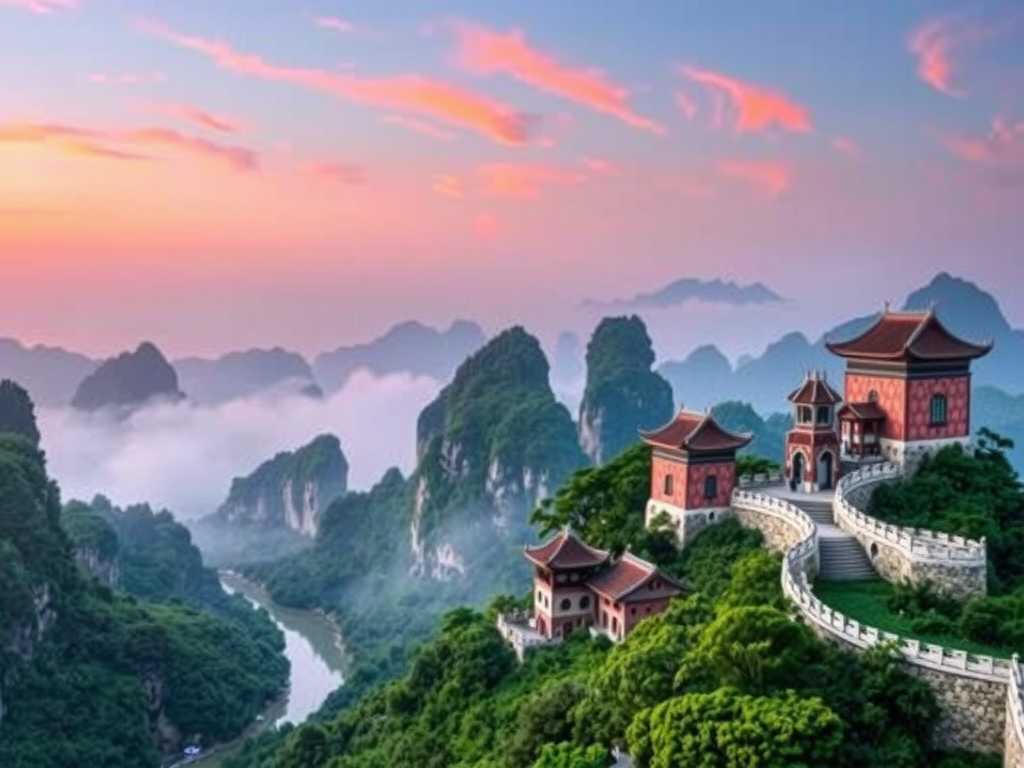
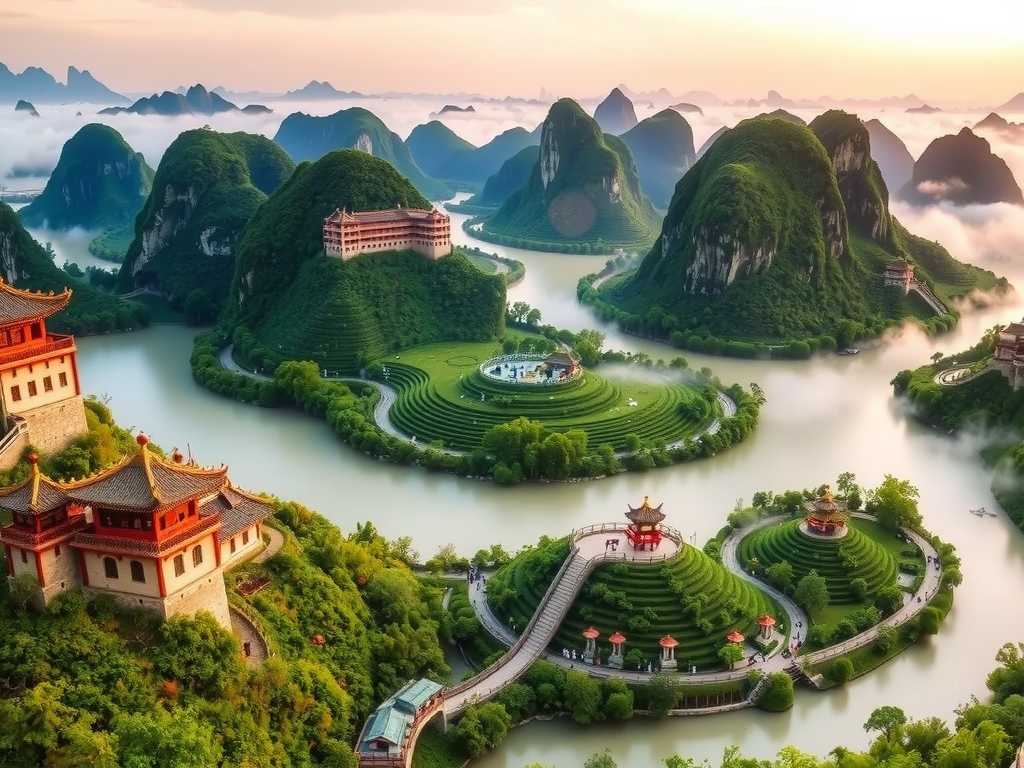
The Li River & Karst Mountains, Guilin The landscape of Guilin, with its dramatic limestone karst peaks rising from misty rivers, has inspired Chinese poets and painters for centuries. The quintessential experience is a leisurely cruise along the Li River from Guilin to Yangshuo. As noted in many travel publications, the 52-mile journey past water buffalo, bamboo groves, and quaint villages feels like sailing through a living painting. For an active alternative, cycling through the countryside around Yangshuo provides an up-close perspective.
Zhangjiajie National Forest Park This park in Hunan province seems plucked from a fantasy novel. Its towering sandstone pillars, some over 1,000 meters high, are shrouded in mist and lush greenery. It famously inspired the floating "Hallelujah Mountains" in the film Avatar. Must-do activities include riding the Bailong Elevator (the world's tallest outdoor lift) for panoramic views and walking the glass-bottomed Zhangjiajie Grand Canyon Bridge for an adrenaline rush. Due to its vast size, planning a two-day visit is advisable to cover the main highlights without rush.
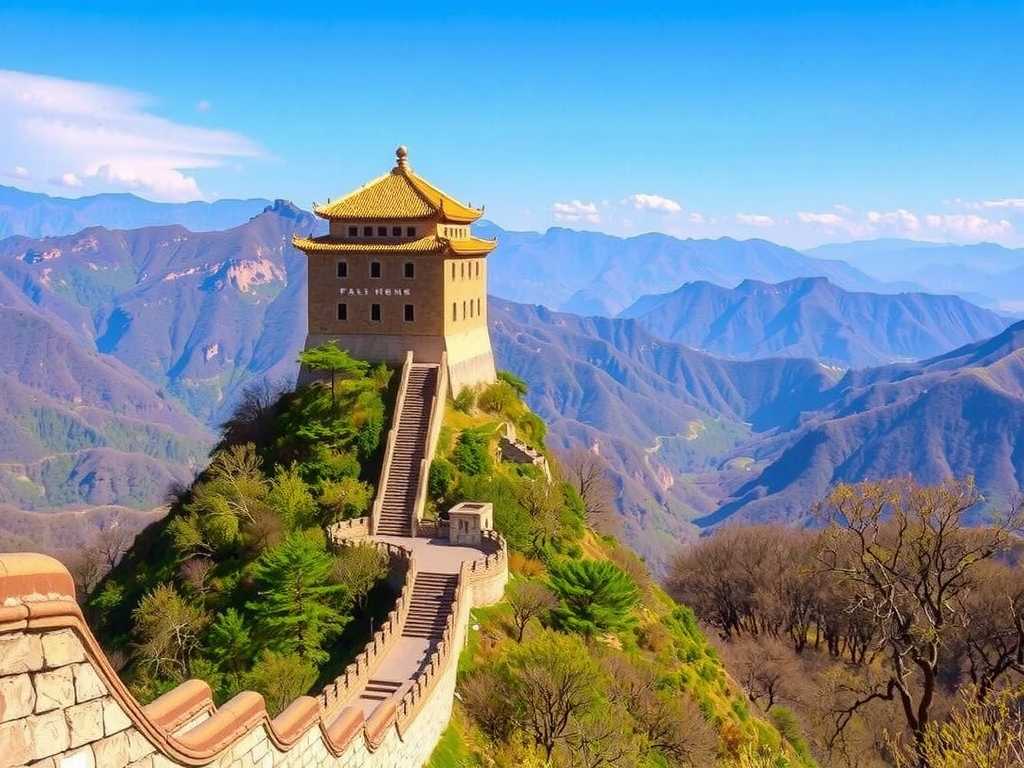
Jiuzhaigou Valley, Sichuan Known for its ethereal, multi-colored lakes, cascading waterfalls, and snow-capped peaks, Jiuzhaigou is a UNESCO World Heritage site of exceptional beauty. The water's stunning shades of blue, green, and turquoise come from high mineral content and aquatic plant life. The valley is best explored via its efficient shuttle bus system, which allows you to hop on and off at key points like Five-Flower Lake and Pearl Shoal Waterfall. Autumn is the most popular season when the foliage creates a fiery contrast with the vibrant lakes.
Cultural and Spiritual Heartlands
China's depth is also found in its living culture and spiritual sites, where tradition continues to thrive amidst stunning settings.
The Potala Palace, Lhasa, Tibet Perched atop Red Hill in Lhasa, the Potala Palace is a monumental fortress and the former winter residence of the Dalai Lama. Its majestic white and red walls contain over 1,000 rooms, including sacred chapels and tombs. Visiting requires acclimatization to the high altitude and respect for local customs, such as walking clockwise around shrines. Securing a Tibet Travel Permit through a registered tour agency is mandatory for foreign travelers, a process that should be started months in advance.
The Classical Gardens of Suzhou Hailed as "the Venice of the East," Suzhou is famed for its classical gardens from the Ming and Qing dynasties. More than just beautiful parks, these gardens are masterpieces of landscape design, creating idealized microcosms of the natural world within city walls. The Humble Administrator's Garden, the largest, and the Master of the Nets Garden, a UNESCO site, perfectly illustrate the art of using ponds, rockeries, pavilions, and plants to achieve harmony and balance. A visit here is a lesson in Chinese aesthetics and philosophy.
The Bund & Shanghai Skyline For a dramatic contrast, Shanghai's Bund showcases China's rapid modernization. On one side of the Huangpu River, you find a row of grand neoclassical and Art Deco buildings from the 1920s and 1930s. Directly across the river, the futuristic skyscrapers of Pudong, including the iconic Oriental Pearl Tower and Shanghai Tower, light up the night. An evening stroll along the Bund offers the best view of this spectacular juxtaposition of old and new, symbolizing China's dynamic present and future.
Frequently Asked Questions
What is the best time of year to visit China's popular sites? Spring (April to May) and autumn (September to October) are generally ideal nationwide. You'll enjoy mild temperatures and less rainfall. Summer can be hot and crowded, while winter is cold but offers smaller crowds at sites like the Great Wall.
How can I manage crowds at major attractions like the Forbidden City? Always purchase tickets online in advance whenever possible. Arrive right at opening time or later in the afternoon to avoid peak tour group hours. Consider visiting popular sites on weekdays rather than weekends or Chinese public holidays.
Are these sites accessible for travelers with mobility issues? Accessibility varies. The Forbidden City has mostly flat stone paths but few ramps. Sections of the Great Wall like Mutianyu have cable cars. Modern sites in Shanghai are generally more accessible. It's crucial to research each specific location and contact tour operators in advance to understand the available facilities and plan accordingly.
Exploring the most popular tourist sites in Scenic China is a journey through millennia. From walking the ancient stones of the Great Wall to cruising the poetic Li River and marveling at Shanghai's skyline, each destination offers a unique window into the country's soul. With thoughtful planning focused on these iconic locations, your trip will move beyond simple sightseeing to become a deeply enriching experience. The landscapes, history, and culture await to leave you with memories that will last a lifetime.
发表评论