 admin
admin China’s Scenic Treasures: For Culture Lovers
You dream of a journey that goes beyond the postcard view. You seek not just a beautiful landscape, but a place where history breathes, where ancient traditions are woven into the fabric of daily life, and where every temple, stone path, and local craft tells a profound story. Yet, navigating China’s vast cultural and scenic offerings can feel overwhelming. How do you move past the crowded tourist spots to find the authentic soul of the Middle Kingdom? This guide is crafted for you, the discerning culture lover, to discover the profound depth within China’s scenic treasures.
Understanding the Soul of the Landscape

For the true culture enthusiast, China’s beauty is a layered text. It’s a harmony of physical grandeur and human ingenuity, where nature has been interpreted and enhanced by millennia of philosophy, art, and spiritual pursuit. This isn’t merely sightseeing; it’s an engagement with a living civilization.
The Guiding Principles of Chinese Aesthetic Culture
To fully appreciate these sites, one must understand the foundational ideas that shaped them. Two key concepts are essential.
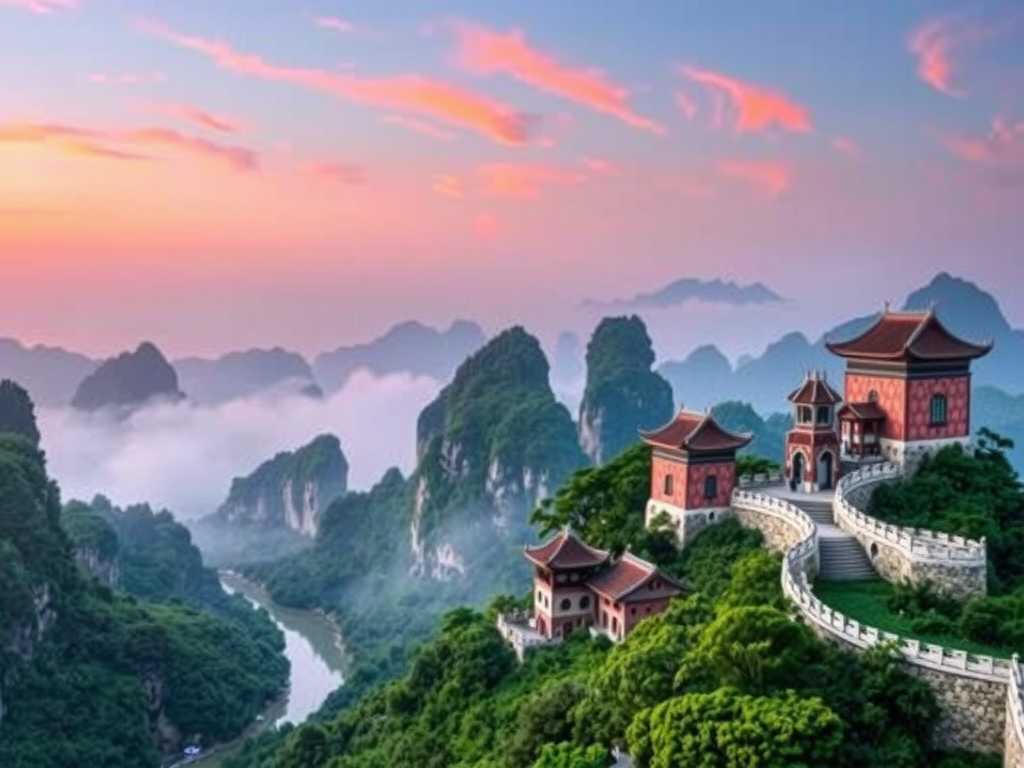
- The Philosophy of Harmony (和谐 Héxié): Unlike the concept of conquering nature, traditional Chinese garden and architectural design seeks a symbiotic relationship. Structures are positioned to complement, not dominate, their surroundings. This principle is vividly displayed in the way classical gardens frame a view or how a temple nestles into a mountainside.
- The Poetic Ideal of Shan Shui (山水): Literally “mountain-water,” this is more than a landscape category. It represents a cosmic duality—the stable, enduring mountain (Yang) and the flowing, adaptable water (Yin). Great art, poetry, and site selection all strive to capture this dynamic balance, inviting contemplation.
A Curated Journey: Four Profound Cultural Landscapes
Let’s explore specific destinations where scenery and culture are inseparable. Each offers a unique window into China’s soul.
The Classical Gardens of Suzhou: A Microcosm of the Universe
Hailed as UNESCO World Heritage Sites, these are not just gardens but three-dimensional poems. Every element is meticulously placed to create an idealized, miniature world.
- Design as Metaphor: Winding paths symbolize life’s journey. Artificial hills and carefully positioned rocks represent famous mountain ranges. Small ponds evoke vast lakes or the ocean. The goal is to wander and feel you have traveled through a whole universe in a single day.
- Cultural Immersion Tip: Visit the Humble Administrator’s Garden or the Lingering Garden. Sit in a pavilion, observe how windows frame different “living paintings,” and listen for the soft melodies of the Pipa or Guzheng often played within. As noted by garden historian Dr. Chen Lin, “These gardens are philosophical texts written in rock, water, and plant, demanding slow, thoughtful reading.”
The Sacred Mount Huangshan: Where Art Meets Ascension
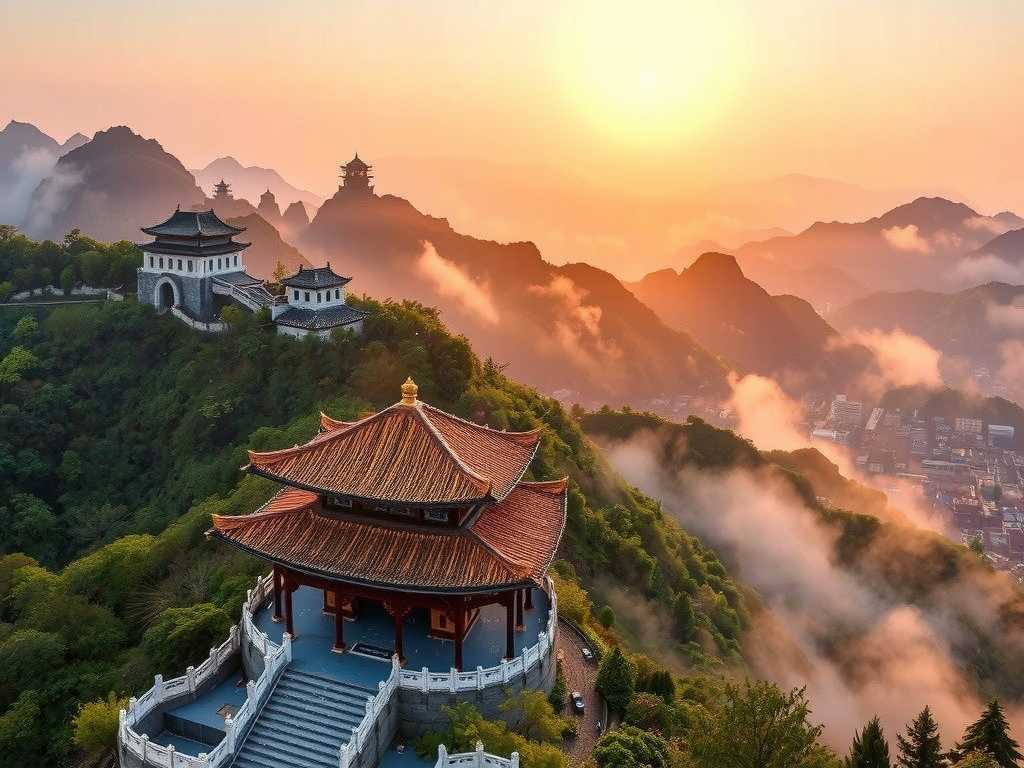
The mist-shrouded granite peaks and peculiarly shaped pine trees of Huangshan have been the ultimate muse for Chinese painters and poets for over a millennium. This is a landscape literally defined by art.
- Walking Through an Ink Wash Painting: The famous “Sea of Clouds” phenomenon transforms the range into the very subject of classical shan shui art. The winding steps carved into the cliff face allow you to trace the path of ancient pilgrims and scholars who sought inspiration—and enlightenment—in its heights.
- Cultural Immersion Tip: Stay overnight at a summit hotel. Witnessing the sunrise from a vantage point like Beginning-to-Believe Peak is to participate in a timeless ritual. The play of light on the peaks offers a daily-renewed masterpiece.
The Ancient Town of Lijiang: A Living Heritage of the Naxi
Nestled in Yunnan province, Lijiang’s charm lies in its vibrant, living culture. The UNESCO-listed Old Town, with its cobblestone lanes and canals, is home to the Naxi people, who maintain a unique matriarchal-influenced society and the world’s last living pictographic writing system, Dongba.
- Culture in Daily Rhythm: Here, scenery includes elderly Naxi women dancing in the town square at dawn, Dongba priests performing rituals, and the sound of the Hulusi flute echoing through alleyways. It’s a seamless blend of daily life and intangible cultural heritage.
- Cultural Immersion Tip: Venture beyond the main squares to the quieter lanes. Visit the Dongba Culture Museum to decipher the ancient pictographs, and in the evening, attend a performance of the Naxi Ancient Music, an orchestral tradition preserving Tang and Song dynasty tunes.
The Longji Rice Terraces: A Symphony of Human Endeavor
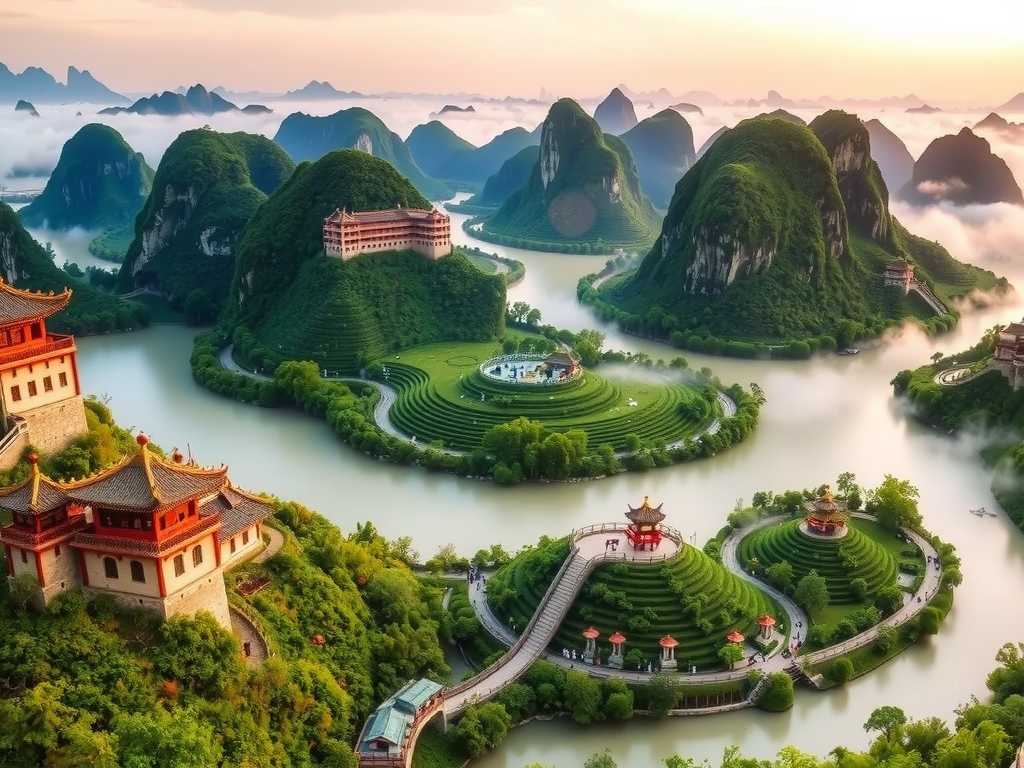
In Guangxi, the Longji (Dragon’s Backbone) Rice Terraces are a stunning testament to human harmony with nature. Carved into mountainsides over 500 years by the Zhuang and Yao ethnic groups, these terraces change with the seasons—flooded like silver ribbons in spring, emerald green in summer, golden in autumn, and frosted white in winter.
- Landscape as Livelihood and Community: This is a functional, living artwork. The intricate water distribution system reflects sophisticated communal management and ancestral wisdom. The terraces shape not only the land but also the social structure and festivals of the local communities.
- Cultural Immersion Tip: Time your visit for the planting or harvest season. Stay in a traditional wooden guesthouse in a village like Ping’an or Dazhai. Hike the paths between villages, interact with local farmers, and savor a meal of locally grown rice and bamboo-tube rice.
Practical Wisdom for the Cultural Traveler
To transform your visit from observation to experience, embrace these approaches.
- Engage with Local Artisans: Seek out workshops. Try a calligraphy class in Suzhou, a traditional dyeing workshop in Lijiang, or watch a Yao woman embroider her iconic, pink-tasseled costume in Longji.
- Follow the Festival Calendar: Plan around cultural events like the Torch Festival in Lijiang or the mid-autumn harvest celebrations at Longji. These offer unfiltered access to traditions.
- Travel with a Specialized Guide: A knowledgeable guide specializing in cultural history can unlock layers of meaning invisible to the untrained eye, explaining symbolism in architecture, local folklore, and historical context.
Frequently Asked Questions
What is the best time of year to visit these cultural landscapes for an authentic experience? Spring (April-May) and Autumn (September-October) generally offer pleasant weather and vibrant natural scenery. However, for specific cultural immersion, target festival times or agricultural seasons (like the water-filled terraces in late spring or harvest in autumn). Shoulder seasons also help avoid the largest crowds.
How can I ensure my visit is respectful and supports local culture? Choose homestays or family-run guesthouses. Purchase handicrafts directly from artisan cooperatives. Always ask for permission before photographing individuals, especially during religious or private ceremonies. Learning a few basic phrases in Mandarin or the local minority language is a sign of great respect.
I have limited time. Which one or two destinations offer the deepest cultural immersion? For a concentrated dose of Han Chinese high art and philosophy, combine Suzhou’s classical gardens with a day trip to a nearby water town. For a profound experience of ethnic minority culture integrated with breathtaking scenery, the Lijiang and Longji Terraces combination is unparalleled.
China’s true scenic treasures are those where the landscape is inseparable from the human spirit that has cherished, shaped, and interpreted it for centuries. By seeking out these places with curiosity and respect, you move beyond being a spectator. You become a temporary participant in an ongoing story, gaining not just photographs, but a felt understanding of a culture’s deepest values and aesthetic dreams. Your journey becomes a dialogue with history, art, and the enduring pursuit of harmony between humanity and the natural world.
发表评论