 admin
admin Scenic China: Best Tourist Spots to Explore
Planning a trip to China can feel overwhelming. With a landmass rivaling a continent and a history spanning millennia, the sheer number of incredible destinations is both a blessing and a curse. How do you choose between ancient wonders, futuristic cities, and landscapes that seem plucked from a painting? This guide cuts through the noise to bring you the absolute best tourist spots in scenic China, offering a balanced journey through its soul-stirring natural beauty and profound cultural depth.
Navigating China’s Geographic Marvels
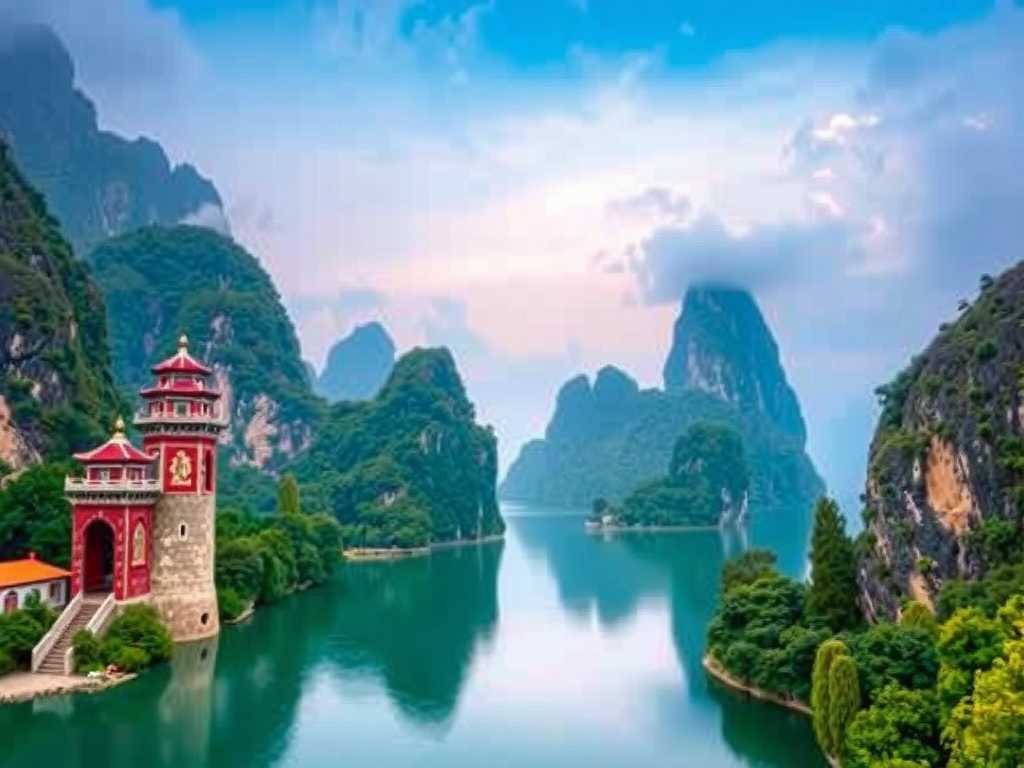
China’s terrain is spectacularly diverse. To truly appreciate it, we divide the country into key regions, each with its own iconic scenery.
The Iconic Landscapes: Postcard-Perfect Vistas Certain views define China’s scenic image. The Li River in Guilin is the quintessential Chinese landscape. A cruise from Guilin to Yangshuo places you inside a living scroll painting, where karst limestone peaks shrouded in mist rise dramatically from the emerald-green water. It’s a serene, almost surreal experience that has inspired poets and artists for centuries. For something grander on a monumental scale, Zhangjiajie National Forest Park in Hunan province is a must. The towering, quartz-sandstone pillars, some over 200 meters tall, seem to defy gravity. Walking the vertigo-inducing glass bridges or taking the Bailong Elevator built into the cliff face offers perspectives that are nothing short of breathtaking. As noted by the China National Tourism Administration, these geological wonders receive millions of visitors annually, drawn by their unique UNESCO-listed status.
The Spiritual Peaks: Sacred Mountains China’s sacred mountains are more than just hikes; they are pilgrimages. Huangshan (the Yellow Mountains) in Anhui is famed for its “four wonders”: peculiarly shaped granite peaks, hot springs, seas of cloud that engulf the ridges, and hardy, gnarled pine trees. Sunrise here is a spiritual event. Equally significant are the Wuyi Mountains in Fujian. A UNESCO Mixed Cultural and Natural Heritage site, they offer a gentler beauty with winding rivers, deep valleys, and a profound history as a center of Neo-Confucianism. Tea lovers will appreciate that this is the origin of the world-famous Da Hong Pao oolong tea.
Urban Oases and Man-Made Wonders
China’s scenic beauty isn’t confined to remote areas; it’s ingeniously woven into its urban and historical fabric.

Imperial Grandeur in Beijing The historical heart of China, Beijing, presents scenery of a different kind—one of human ambition and architectural mastery. Walking the Great Wall at Mutianyu, snaking over rugged mountains, inspires awe at ancient engineering. Equally impressive is the Forbidden City, a vast complex of palaces that showcases the pinnacle of Chinese imperial design and cosmology. For a peaceful contrast, the Summer Palace offers a classic example of Chinese garden landscaping, where Kunming Lake and Longevity Hill create a harmonious balance of nature and architecture.
The Water Towns of the Yangtze Delta South of the Yangtze River, a network of ancient canals and towns preserves the charm of old China. Zhouzhuang and Tongli, near Shanghai, are known as the “Venices of the East.” Glide through their narrow canals on a wooden boat, passing under stone bridges and alongside whitewashed houses with black-tiled roofs. The slow pace and reflection of ancient buildings in the water provide a profoundly scenic and tranquil escape from modern city life, perfect for those seeking picturesque and historic destinations.
The Rugged Frontiers: Tibet and Beyond
For the adventurous soul, China’s western frontiers offer some of the planet’s most dramatic and untouched scenery.
The Roof of the World: Tibet The Tibetan Plateau is a landscape of raw, spiritual power. The pilgrimage to Mount Kailash is considered sacred in four religions. While the mountain itself is remote, the journey there, past turquoise lakes like Lake Manasarovar and across vast, high-altitude plains, is unforgettable. Lhasa, with the majestic Potala Palace towering over the city, offers a deeply cultural scenic experience where the environment and spirituality are inextricably linked.
Otherworldly Landscapes in Xinjiang The Xinjiang region presents a palette of extreme colors and forms. The Flaming Mountains near Turpan live up to their name with striking red sandstone ridges under a blazing sun. In contrast, Kanas Lake in the Altai Mountains, with its deep blue waters surrounded by Siberian taiga forest, is often called “China’s Switzerland.” These diverse spots showcase the incredible scenic variety within a single region.
Planning Your Scenic China Adventure
To make the most of exploring these best tourist spots, practical planning is key. China is vast, so focus on one or two regions per trip. For classic scenery, combine Guilin with Zhangjiajie. For a cultural-scenic mix, pair Beijing with a sacred mountain like Huangshan. The best times to visit are generally spring (April-May) and autumn (September-October) for pleasant weather and clear skies. Always check visa requirements well in advance and consider using high-speed trains for an efficient and scenic way to travel between major hubs.
What is the best time of year to visit scenic destinations like Guilin and Zhangjiajie? The ideal times are spring (April to May) and autumn (September to early November). During these periods, you’ll avoid the extreme heat and heavy rainfall of summer and the colder temperatures of winter. The landscapes are at their most vibrant, with comfortable weather for hiking and sightseeing.
Are these scenic spots suitable for family travel with children? Yes, many are family-friendly. Destinations like the Great Wall (Mutianyu section with a cable car), the Li River cruise, and the water towns are accessible and engaging for children. For more rugged adventures like high-altitude areas in Tibet or long hikes in Zhangjiajie, carefully assess your family’s fitness level and acclimatization needs.
How can I travel sustainably while exploring China’s natural wonders? Support sustainability by staying on marked trails to protect fragile ecosystems, carrying out all your trash, and using refillable water bottles. Choose tour operators with clear eco-friendly policies. Respect local customs, especially in culturally sensitive areas like Tibetan regions, and consider visiting popular sites during off-peak hours or seasons to help reduce overcrowding.
From the poetic rivers of the south to the majestic peaks of the west, and from imperial grandeur to ancient water towns, China’s scenic offerings are boundless. This journey through its best tourist spots provides a framework to experience a country where natural splendor and human history are in constant, beautiful dialogue. The true magic lies in finding your own pace, allowing the landscape to tell its story, and leaving with memories etched not just in photographs, but in your sense of wonder.



发表评论