 admin
admin China’s Natural Scenic Gems: Must-Visit Destinations for Every Traveler
Planning a trip to China can feel overwhelming. With a landmass so vast and diverse, how do you choose where to go beyond the famous cities? You want authentic, breathtaking natural beauty, but sifting through endless options is time-consuming. This guide cuts through the noise to bring you the most spectacular China’s natural scenic gems you must visit. We focus on landscapes that offer not just visual awe but profound cultural and ecological experiences, helping you plan an unforgettable journey into the heart of nature’s masterpieces.
The Unrivaled Majesty of Zhangjiajie National Forest Park
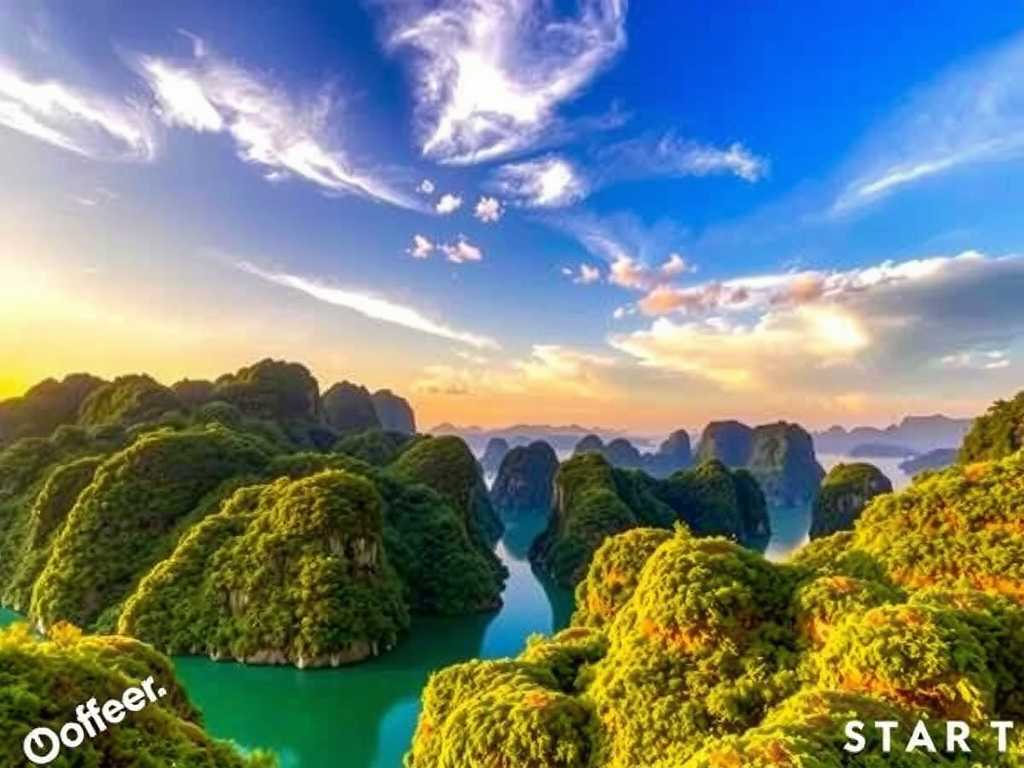
Imagine towering sandstone pillars shrouded in mist, a landscape that seems plucked from a fantasy novel. This is Zhangjiajie, in Hunan Province, whose otherworldly scenery famously inspired the floating Hallelujah Mountains in the movie Avatar. The park is a UNESCO Global Geopark, recognized for its unique quartz-sandstone peak forest geology formed over millions of years.
Start your exploration at Yuanjiajie Scenic Area, home to the iconic “Avatar Hallelujah Mountain.” For a truly immersive experience, walk the breathtaking glass-bottomed Zhangjiajie Grand Canyon Bridge and gaze down at the forest floor hundreds of meters below. Don’t miss the Tianzi Mountain area for sea-of-clouds views that are simply ethereal. As noted by geologist Dr. Li Wei in a China Nature Conservation report, “Zhangjiajie represents a textbook example of sandstone peak forest evolution, offering invaluable insights into Earth’s geological history while hosting unique subtropical biodiversity.”
The Ethereal Beauty of Jiuzhaigou Valley
Jiuzhaigou Valley, a UNESCO World Heritage Site in Sichuan Province, is a symphony of color. Its name means “Nine Settlement Valleys,” and it protects a pristine ecosystem of multi-level waterfalls, crystal-clear turquoise lakes, and snow-capped peaks. The water’s stunning blue and green hues come from high mineral content and vibrant aquatic plant life.
Key highlights include Five-Flower Lake, where submerged ancient tree trunks are visible in the transparent depths, and Nuorilang Waterfall, one of the widest travertine waterfalls in China. Autumn is a particularly magical time to visit when the surrounding forests explode in fiery reds and golds, reflecting perfectly in the calm waters. Remember, it’s a protected nature reserve. Stick to designated boardwalks to help preserve its fragile beauty for generations.
The Rainbow Mountains of Zhangye Danxia
The Zhangye Danxia Landform Geological Park in Gansu Province looks like an artist’s palette poured over rolling hills. These rainbow mountains are a stunning display of mineralogy, where red sandstone and mineral deposits have been folded by tectonic forces over 24 million years, creating striped waves of crimson, orange, yellow, and green.
The colors are most vibrant at sunrise and sunset when the low-angle light intensifies the contrasts. The best viewing platforms are at the park’s numbered observation decks. For photographers and geology enthusiasts, this is a must-see. The dynamic landscape, as described in a National Geographic feature, “challenges our perception of natural color, showcasing Earth’s artistic side through pure geological process.”
The Karst Wonderland of Guilin and Yangshuo
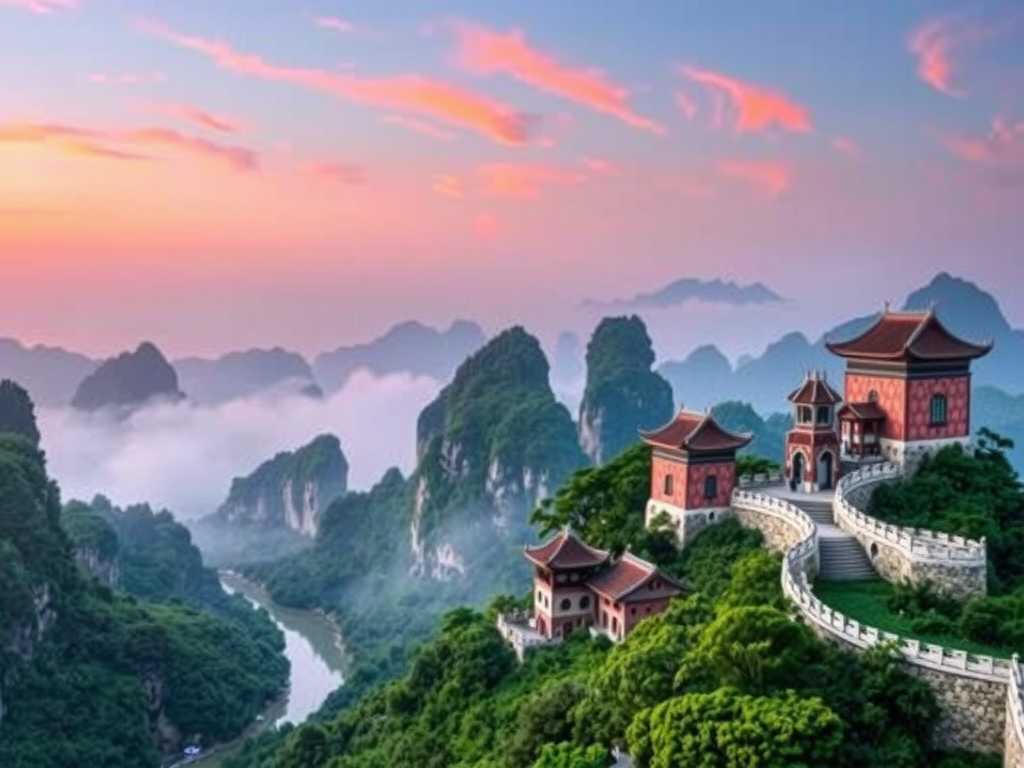
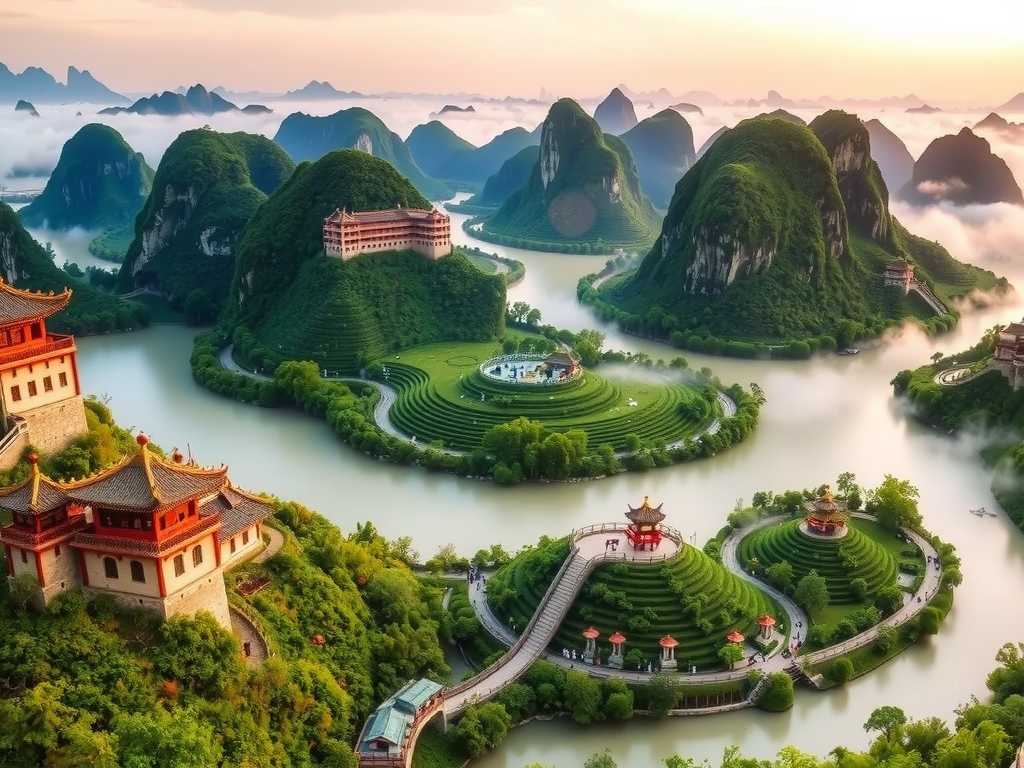
The classic Chinese landscape painting comes to life along the Li River between Guilin and Yangshuo. This region defines karst topography—limestone hills that rise dramatically from flat plains and winding rivers, creating a scene of serene beauty. A Li River cruise is the quintessential experience, offering front-row seats to this poetic scenery, including the famed view on the 20 Yuan banknote.
For active travelers, cycling through Yangshuo’s countryside paths or taking a bamboo raft on the quieter Yulong River provides an intimate connection with the land. The expert advice from local tour guides always emphasizes early mornings on the river to avoid crowds and catch the mist rising off the water, a moment of pure tranquility.
The Pristine Alpine Lakes of Kanas
Tucked in the far north of Xinjiang, near the borders of Kazakhstan and Russia, Kanas Nature Reserve feels like a secret corner of the world. It’s famed for Kanas Lake, a deep, crescent-shaped body of water known for its mysterious “lake monster” legends and its changing colors—from azure to emerald to milky jade—throughout the seasons.
The area is home to the ethnic Tuva people, and a visit to their wooden village offers cultural depth. Hike up the 1,068 steps to the Fish Watching Pavilion for a panoramic view of the lake snaking through golden larch forests (especially stunning in September). This remote natural scenic gem offers a powerful sense of wilderness and solitude rarely found elsewhere.
The Sacred Peaks of Huangshan (Yellow Mountain)
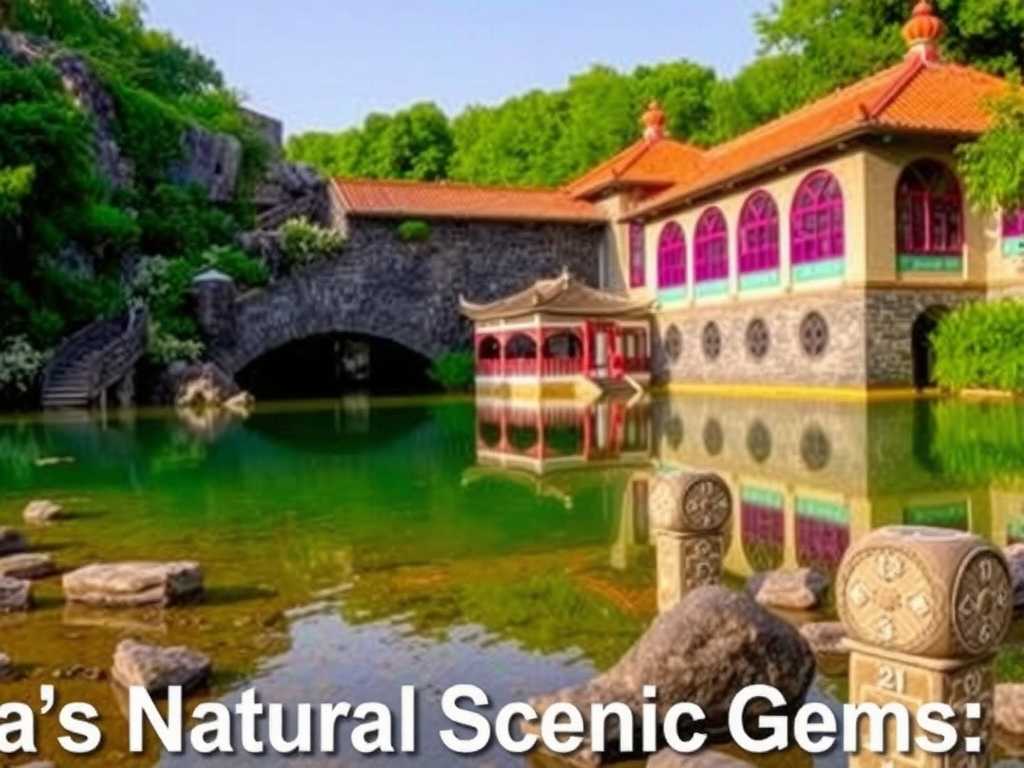
No list of China’s natural wonders is complete without Huangshan. This UNESCO site in Anhui Province is the epitome of classic Chinese mountain scenery, celebrated for its granite peaks, hot springs, winter snowscapes, and, most famously, its “sea of clouds.” The ancient pines growing from seemingly impossible crevices add to its iconic, painterly quality.
A visit requires stamina but rewards immensely. Consider staying overnight at a mountain-top hotel to witness both sunset and sunrise over the clouds. Key sights include the Begin-to-Believe Peak, the Flying Over Rock, and the West Sea Grand Canyon. As Confucian saying inscribed here states, “He who has climbed Huangshan needs no other mountains.” It’s a testament to its enduring, awe-inspiring power.
The Otherworldly Desertscape of the Singing Sand Dunes
Beyond mountains and lakes, China’s natural scenic gems include vast deserts. The Singing Sand Dunes and Crescent Moon Spring near Dunhuang, Gansu, present a miraculous oasis scene. Towering golden dunes, some reaching over 1,700 feet, emit a low humming sound when the wind blows—hence the name. At their base, a centuries-old spring shaped like a crescent moon persists, defying the surrounding aridity.
Visitors can try sand sledding or a camel trek at dusk for unforgettable views. This site highlights the delicate balance of desert ecosystems and has been a vital stop on the Silk Road for millennia, blending natural wonder with deep historical resonance.
FAQs
What is the best time of year to visit these natural sites in China? Spring (April-May) and Autumn (September-October) are generally ideal nationwide, offering mild weather and beautiful seasonal foliage. However, destinations like Harbin for ice festivals or Jiuzhaigou for winter snow have unique off-season appeal.
Are these destinations suitable for family travel with children? Yes, but choose wisely. Zhangjiajie and Jiuzhaigou have extensive shuttle systems and boardwalks, making them manageable. Huangshan involves significant climbing and may be challenging for very young children. Always check specific park accessibility.
How can I travel responsibly in these fragile ecosystems? Always stay on marked paths, carry out all trash, use refillable water bottles, and respect wildlife. Support local conservation efforts by choosing eco-conscious tour operators and following all park guidelines meticulously. Your mindfulness helps preserve these treasures.
From the painted ridges of Zhangye to the mystical peaks of Huangshan, China’s natural landscape offers a journey through geological time and artistic inspiration. Each destination provides a unique window into the forces that have shaped our planet and the deep cultural reverence the Chinese hold for their natural world. By venturing beyond the urban centers, you discover the true soul of the country—a timeless, breathtaking beauty that stays with you long after you return home. Start planning your route to these essential natural scenic gems; an adventure of unparalleled scale and wonder awaits.

发表评论