 admin
admin Explore China’s Scenic Gems: Your Ultimate Travel Guide
Planning a trip to China can feel overwhelming. With a landmass so vast and a history spanning millennia, how do you even begin to choose where to go? Many travelers find themselves stuck between iconic landmarks and hidden treasures, unsure how to craft an itinerary that is both deeply rewarding and logistically smooth. This guide is designed to cut through the confusion. We will help you explore China’s scenic gems, from the world-famous to the spectacularly undiscovered, with practical advice to make your journey unforgettable.
Understanding China’s Diverse Landscapes

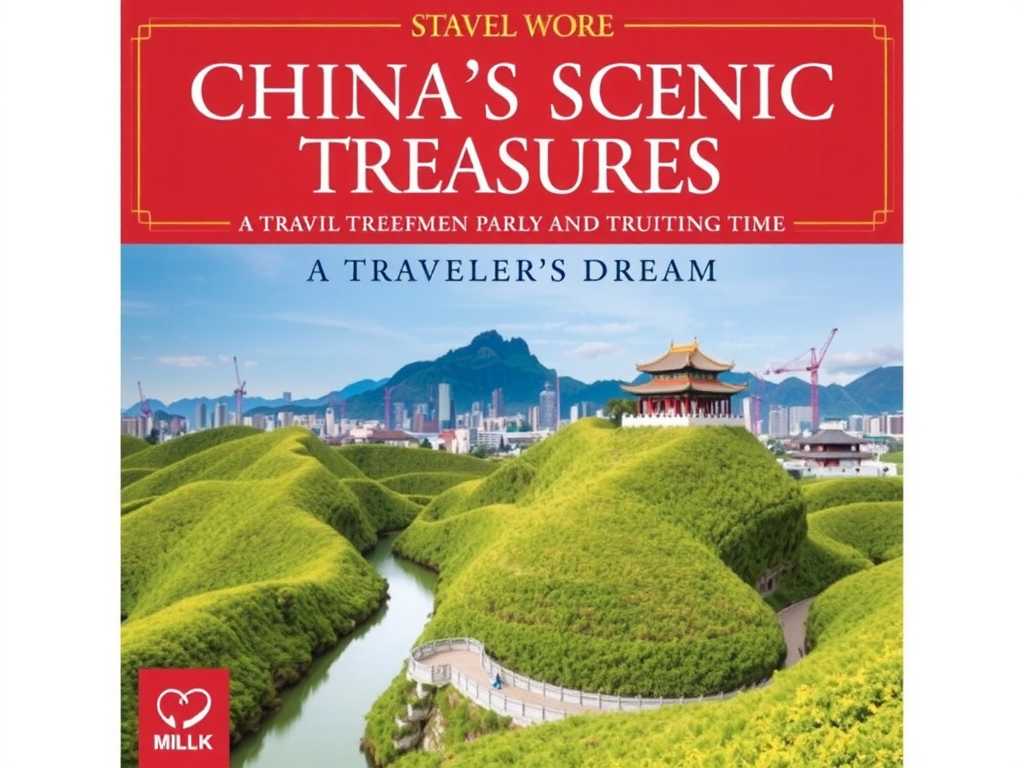
China’s geography is a traveler’s dream, offering every conceivable type of natural wonder. This diversity is key to planning your adventure.
The ancient mountains of Huangshan, with their granite peaks piercing through seas of cloud, offer a spiritual and visual spectacle unlike any other. In contrast, the karst limestone formations around Guilin and Yangshuo create a serene, painterly landscape best enjoyed on a leisurely Li River cruise. As noted in the China Tourism Academy’s Annual Report, these natural heritage sites consistently rank highest for international visitor satisfaction due to their preserved beauty and accessibility.
For a truly unique experience, head to Zhangjiajie National Forest Park. The towering sandstone pillars that inspired the floating mountains in Avatar will make you feel you’ve stepped onto another planet. Meanwhile, the colorful lakes of Jiuzhaigou Valley, crystal-clear and fed by mineral-rich springs, showcase nature’s artistry with a vibrant palette that changes with the seasons.
Crafting Your Perfect Itinerary
A successful trip balances ambition with realism. China is large, and travel between major scenic areas takes time.
First, decide on your travel style. Are you seeking a fast-paced tour of highlights, or a deep dive into one or two regions? A classic two-week itinerary might link Beijing (Forbidden City, Great Wall), Xi’an (Terracotta Army), and Shanghai, with a side trip to Guilin’s karst scenery. This route covers monumental history and iconic landscapes. For those with more time, adding destinations like the pandas in Chengdu or the silk road history in Dunhuang creates a richer tapestry.
Second, consider timing. Spring (April-May) and autumn (September-October) generally offer the most pleasant weather nationwide. Summer brings crowds and heat to cities but is ideal for the grasslands of Inner Mongolia. Winter transforms the north into a snowy wonderland, perfect for the ice festival in Harbin, while southern Yunnan remains mild and sunny.

Travel Logistics Made Simple
Navigating China’s travel infrastructure is easier than you might think, and a little preparation goes a long way.
Domestic flights are efficient for covering long distances. For a more immersive experience, China’s high-speed rail network is second to none. “The bullet train isn’t just transport; it’s a window into the country’s scale and modernity,” says travel expert Li Wei. “You see the landscape transform from your window.” Booking tickets in advance via official apps or trusted travel agencies is crucial, especially during holidays.
While major tourist sites have English signage, learning a few basic Mandarin phrases or using a reliable translation app will enhance your interactions. Apps like Didi (ride-hailing) and Alipay (payments) are indispensable tools for daily convenience. Always carry your passport, as it is required for hotel check-ins and ticket purchases.
Beyond the Beaten Path: Hidden Scenic Gems
To truly explore China’s scenic gems, venture beyond the postcard spots. These destinations offer profound beauty with fewer crowds.
In the east, the ancient water towns like Xitang or Wuzhen near Shanghai offer a glimpse into canal-side life, with stone bridges and Ming-era architecture. In the southwest, Yuanyang’s rice terraces in Yunnan create breathtaking, layered mirrors that reflect the sky, a masterpiece of human and natural collaboration.
For the adventurous, the Kanas Lake region in Xinjiang, near the borders of Mongolia and Kazakhstan, features alpine meadows, dense forests, and turquoise waters that rival those of the Canadian Rockies. Similarly, the Mount Siguniang area in Sichuan is known as the “Alps of the East,” offering world-class trekking routes amidst stunning peaks and valleys.
Immersive Cultural Experiences
The scenery is only half the story. Connecting with local culture turns a beautiful view into a lasting memory.
Stay in a traditional siheyuan (courtyard house) in Beijing or a tulou (earthen roundhouse) in Fujian. Participate in a tea-picking workshop in the hills of Hangzhou or a Tibetan family homestay near Shangri-La. Time your visit with local festivals, such as the Dragon Boat Festival races or the mesmerizing lantern displays during the Mid-Autumn Festival. These experiences provide authentic insight and create personal stories you’ll cherish long after the trip.
Responsible and Sustainable Travel
As visitors, we have a role in preserving the beauty we come to see.
Always follow marked trails and respect barriers at natural sites to protect fragile ecosystems. Support the local economy by choosing family-run guesthouses and buying handicrafts directly from artisans. Be mindful of your plastic usage; carrying a reusable water bottle is a simple, effective step. By traveling thoughtfully, you help ensure these scenic gems remain vibrant for generations to come.
What is the best way to get a visa for traveling to China? Most travelers will need to apply for an L (tourist) visa at a Chinese embassy or consulate in their home country before departure. The process requires a completed application form, passport photos, flight itineraries, and hotel bookings. Requirements can change, so always check the official website of the nearest Chinese diplomatic mission for the most current checklist and processing times.
Is it safe to travel independently in China if I don’t speak Chinese? Yes, it is generally very safe. In major cities and tourist areas, key transportation hubs and hotels have English signage. Translation apps like Google Translate (with offline packs) or Pleco are extremely helpful for menus and basic communication. Carrying a business card from your hotel in Chinese can also assist taxi drivers in getting you back safely.
How should I handle payments, as cash is no longer king in China? Mobile payments via Alipay and WeChat Pay are ubiquitous. International visitors can now link foreign credit cards to these platforms, which is the most convenient method. It is still advisable to carry some Chinese Yuan (RMB) cash for small vendors in rural markets or older establishments. Major credit cards are widely accepted in hotels and upscale restaurants.
From the misty peaks of Huangshan to the tranquil canals of ancient water towns, China’s landscape is a grand narrative waiting to be read. By blending careful planning with a spirit of curiosity, you can move seamlessly from awe-inspiring icons to serene hidden corners. The journey to explore these gems will not only fill your camera but also expand your understanding of this vast and endlessly fascinating country. Start your planning today—your adventure awaits.





发表评论