 admin
admin Visit China’s Most Stunning Scenic Spots: Your Ultimate Travel Guide
Planning a trip to China can feel overwhelming. With a landmass rivaling a continent and thousands of years of history, how do you even begin to choose where to go? You dream of breathtaking landscapes and profound cultural experiences, but sifting through endless information leaves you unsure where to find the truly unforgettable sights. This guide cuts through the noise. We’ve curated a journey to help you visit China’s most stunning scenic spots, balancing iconic wonders with hidden gems, all while providing practical advice for a seamless adventure.
Why These Destinations Define Scenic Perfection
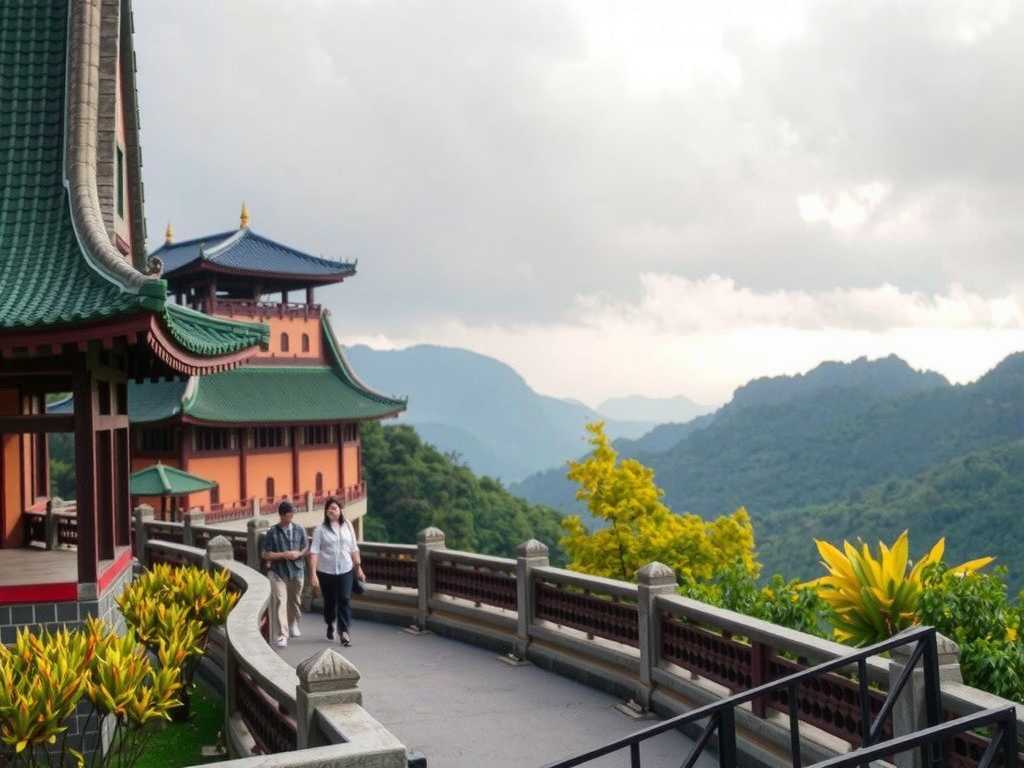
China’s beauty isn’t a single postcard; it’s a vast, living gallery of natural and human artistry. According to the China National Tourism Administration, over 55 million international visitors in 2023 sought these unique experiences, drawn by landscapes that have inspired poets and painters for millennia. From the jagged karst peaks that seem to float on rivers to the sweeping, rainbow-colored valleys, the diversity is staggering. Travel expert Dr. Li Wen notes, “The true magic lies in how these landscapes are interwoven with local culture—ancient villages clinging to mountainsides, temples hidden in misty forests. It’s a holistic scenic experience.”
The Iconic Wonders: China’s Must-See Landscapes
No journey to visit China’s most stunning scenic spots is complete without witnessing its world-famous icons. These places offer the scale and grandeur that define the country’s natural reputation.
The Li River & Yangshuo: A Painting Come to Life The journey from Guilin to Yangshuo along the Li River is the essence of classical Chinese scenery. Imagine cruising past endless peaks of limestone karst, their reflections shimmering in the green water while fishermen and water buffalo go about their day. It’s a slow, peaceful immersion into a landscape that feels timeless. For the active traveler, renting a bamboo raft or cycling through the Yangshuo countryside offers an even more intimate connection.
Zhangjiajie National Forest Park: The Avatar Mountains Step into a world of fantasy. Zhangjiajie’s towering sandstone pillars, some over 1,000 meters tall, rise from a sea of mist and lush greenery. The park’s famous glass bridge and cliff-hugging walkways offer thrilling, vertigo-inducing perspectives. This is where you truly feel the power of geological time. Visit at sunrise or after rain when the clouds weave through the peaks for the most dramatic, otherworldly views.
The Yellow Mountains (Huangshan): A Sea of Clouds and Pines Huangshan is the benchmark for mountain scenery in Chinese art. Its granite peaks, often piercing through a rolling “sea of clouds,” are adorned with famously gnarled and resilient pine trees. Hiking the well-maintained paths is a pilgrimage through changing vistas—one moment you’re in bright sunshine, the next enveloped in cool, mystical fog. Spending a night at a summit hotel to catch both sunset and sunrise is highly recommended.
Beyond the Classics: Hidden Scenic Gems
To escape the crowds and discover equally profound beauty, venture to these less-trodden paths.
Jiuzhaigou Valley: Nature’s Kaleidoscope Located in Sichuan province, Jiuzhaigou is a series of tiered valleys famed for its crystal-clear, multi-colored lakes, spectacular waterfalls, and snow-capped peaks. The water’s stunning shades of turquoise, blue, and green come from mineral deposits and reflected foliage. Each season paints the valley differently, with autumn’s fiery colors being particularly spectacular. It’s a fragile ecosystem, so visiting with respect and following designated paths is crucial.
Kanas Lake in Xinjiang: Alpine Majesty In the far north of Xinjiang, Kanas Lake feels like a slice of the Swiss Alps blended with Siberian mystery. Surrounded by dense taiga forest and the towering Altai Mountains, its deep blue waters are the centerpiece of a vast, pristine nature reserve. The local Tuvan Mongolian culture adds a rich layer to the visit. Hiking or horseback riding through the surrounding meadows offers a sense of serene isolation.
The Rainbow Mountains of Zhangye: Earth’s Canvas Zhangye Danxia National Geological Park looks like an artist’s palette spilled across rolling hills. These striped mountains, in vibrant reds, yellows, and blues, are the result of millions of years of mineral deposits and tectonic shifts. The colors are most vivid after rainfall or at sunset. Walking the boardwalks through this surreal, colorful landscape feels like exploring another planet.
Planning Your Journey to China’s Scenic Spots
To make your dream to visit China’s most stunning scenic spots a reality, a little planning goes a long way.
Best Times to Visit for Optimal Views China’s climate varies wildly. Generally, spring (April-May) and autumn (September-October) offer the most comfortable temperatures and clear skies nationwide. Summer can be hot and crowded, while winter offers stark, beautiful landscapes in the north (like the snow-covered Great Wall) but some southern areas can be chilly and misty. Always check regional weather patterns for your specific destinations.
Navigating Logistics and Travel Permits Major cities are connected by an efficient high-speed rail network and domestic flights. For remote areas like Jiuzhaigou or Kanas, flying to a regional hub followed by a bus or car is standard. Remember, Tibet and parts of Xinjiang require special travel permits arranged in advance through a licensed tour operator. Using apps like Trip.com for bookings and Didi for taxis, alongside a reliable VPN, will smooth your journey.
Embracing Local Culture Respectfully These landscapes are not just backdrops; they are homes and sacred spaces. Learn a few basic Mandarin phrases. Follow all rules at natural sites—stay on paths, do not litter. When photographing local people, always ask for permission first. Supporting local guides and family-run guesthouses enriches your experience and benefits the community directly.
What is the best way to avoid crowds at popular spots like the Great Wall or Zhangjiajie? Arrive as early as possible when sites open, or visit later in the afternoon after most tour groups have left. Choose less-visited sections like Mutianyu or Jinshanling over Badaling for the Great Wall. Traveling during the shoulder seasons (late spring or early autumn) on a weekday also significantly reduces crowds.
How many days should I budget to see a good range of scenic spots? Given China’s size, a focused two-week trip is ideal. For example, dedicate 5-7 days to one region, like combining Zhangjiajie with Guilin/Yangshuo, or pairing Jiuzhaigou with Chengdu and the pandas. Trying to cover the north, west, and south in one short trip will lead to excessive time in transit.
Is it feasible to travel to these scenic areas independently, or do I need a tour? It is entirely feasible for confident travelers to navigate independently between major cities and iconic sites using public transport. However, for remote natural parks, non-English speaking regions, or areas requiring permits (like Tibet), joining a small-group tour or hiring a private guide/driver is highly advisable for logistics, safety, and deeper cultural insight.
From the iconic peaks of Huangshan to the vibrant stripes of Zhangye, the opportunity to visit China’s most stunning scenic spots is a journey into the heart of our planet’s natural and cultural grandeur. With thoughtful planning and a respectful approach, you’ll return with more than just photographs—you’ll carry memories of awe-inspiring moments that will last a lifetime. Start mapping your route, embrace the adventure, and prepare to be humbled by the sheer scale and beauty that awaits.



发表评论