 admin
admin China's Most Stunning Natural Scenic Sites: An Ultimate Travel Guide
Planning a trip to China and overwhelmed by the sheer number of destinations? You want to experience the authentic, breathtaking landscapes you've seen in pictures, but navigating the vast options and logistical details can be a daunting challenge. This guide cuts through the noise to bring you the most spectacular natural wonders China has to offer, with practical insights to help you plan an unforgettable journey.
From the jagged karst peaks of the south to the colorful mineral lakes of the north, China's diverse geography holds some of the planet's most awe-inspiring scenery. This article serves as your expert-curated manual, designed to help you discover these treasures efficiently and meaningfully.
The Ethereal Karst Landscapes of Guilin and Zhangjiajie
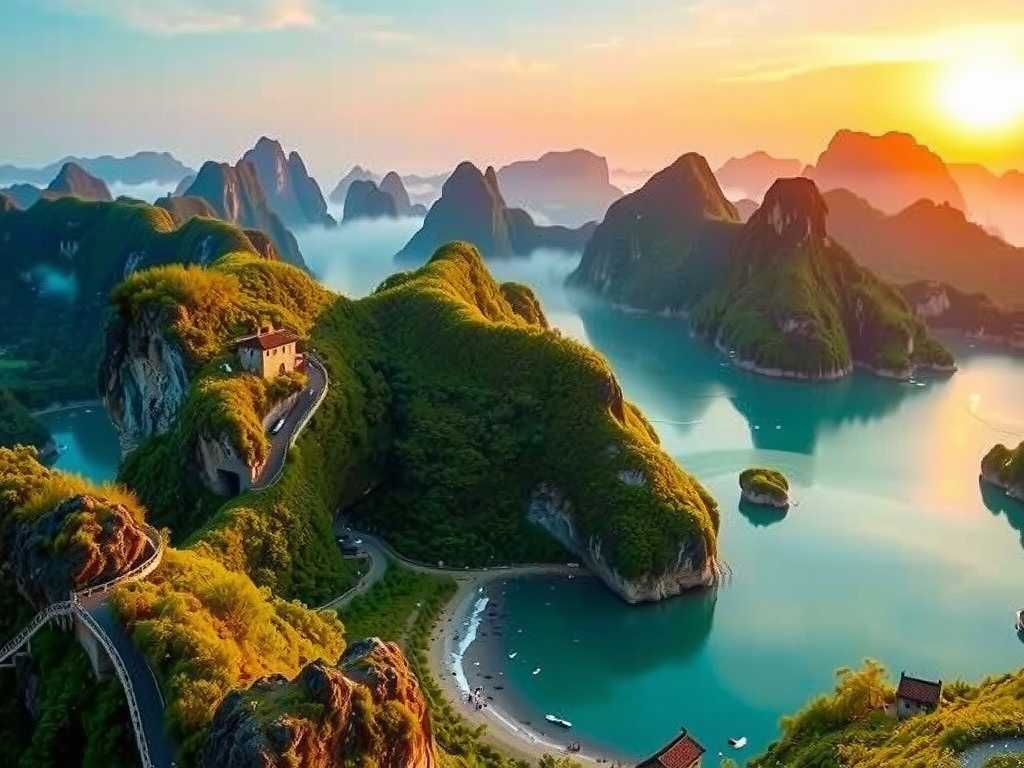
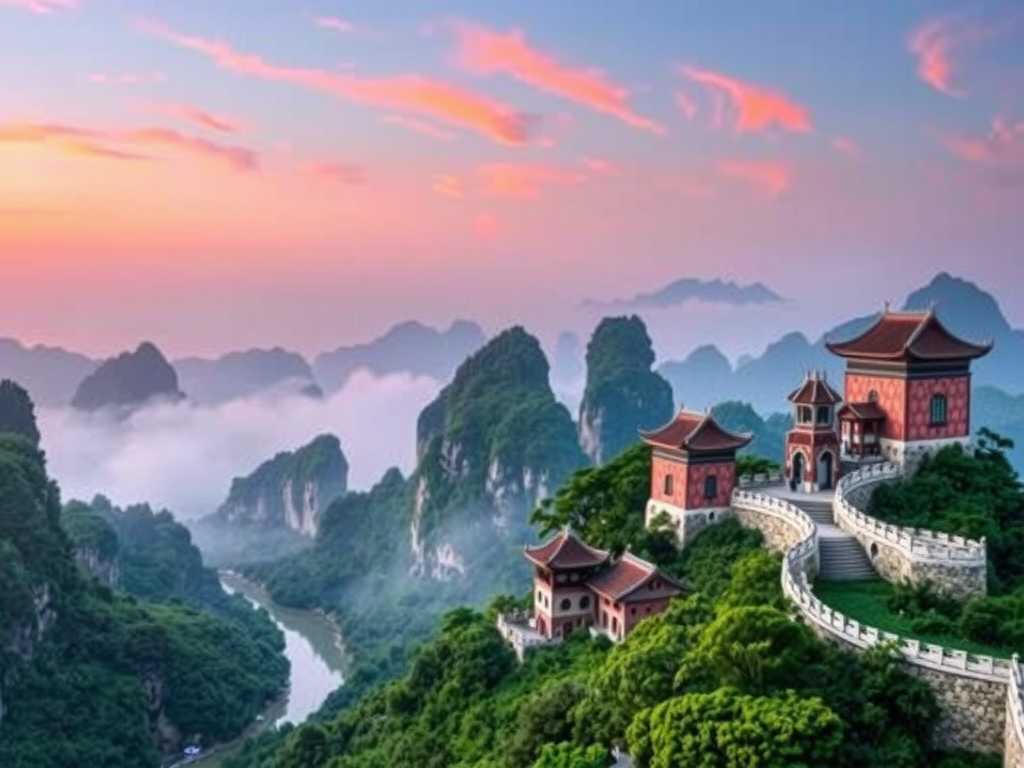
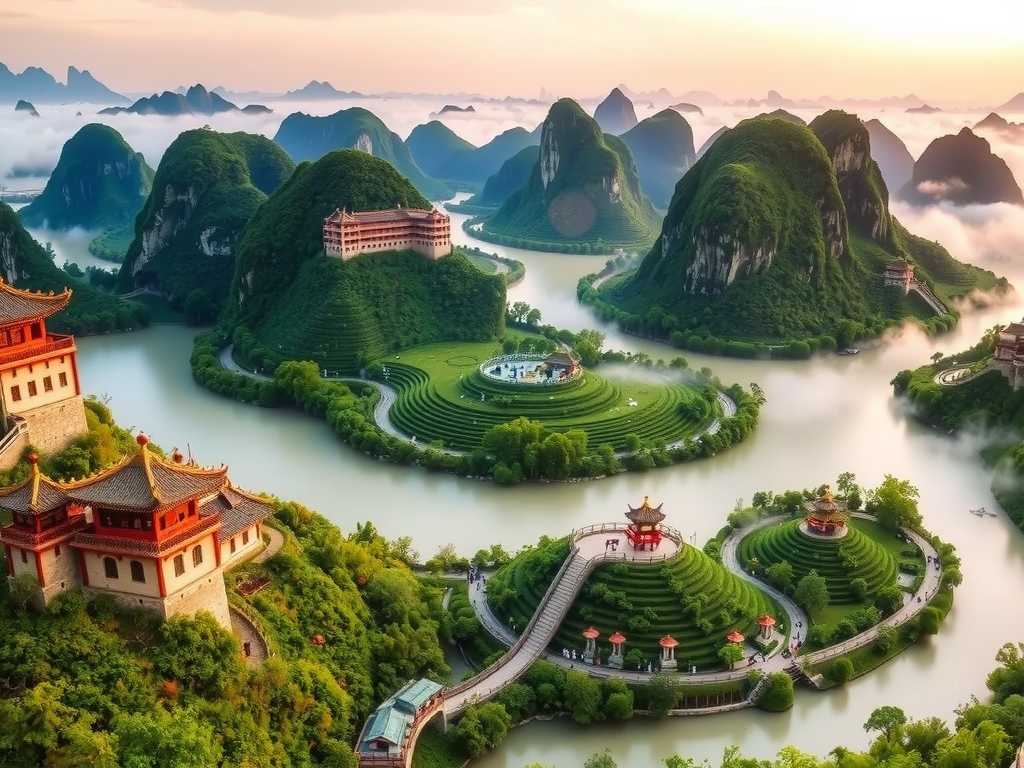
When one imagines China's natural beauty, the iconic limestone peaks of Guilin often come to mind. This region in Guangxi province is the quintessential representation of karst topography, formed over millions of years by the dissolution of bedrock. The Li River cruise from Guilin to Yangshuo is the classic way to absorb this painterly scenery, where mist-clad pinnacles rise dramatically from the riverbanks and rice paddies.
For a more active immersion, take a bamboo raft along the Yulong River or hike through the terraced fields of Longji. As noted by Dr. Li Wen, a geologist at the Chinese Academy of Sciences, "The South China Karst, which includes Guilin, is a world-class example of humid tropical to subtropical karst landscapes. Its evolution provides a crucial record of the Earth's climatic and tectonic history."
While Guilin offers serene beauty, Zhangjiajie National Forest Park in Hunan province presents a sense of surreal grandeur. Its towering sandstone pillars, some over 1,000 meters tall, inspired the floating "Hallelujah Mountains" in the film Avatar. The park's highlights include the Avatar Hallelujah Mountain, the glass-bottomed Zhangjiajie Grand Canyon Bridge, and the Bailong Elevator built into the side of a cliff. Visit during early morning or late afternoon to avoid the largest crowds and witness the pillars shrouded in mystical fog.
The Rainbow Palette of Zhangye Danxia and Jiuzhaigou Valley
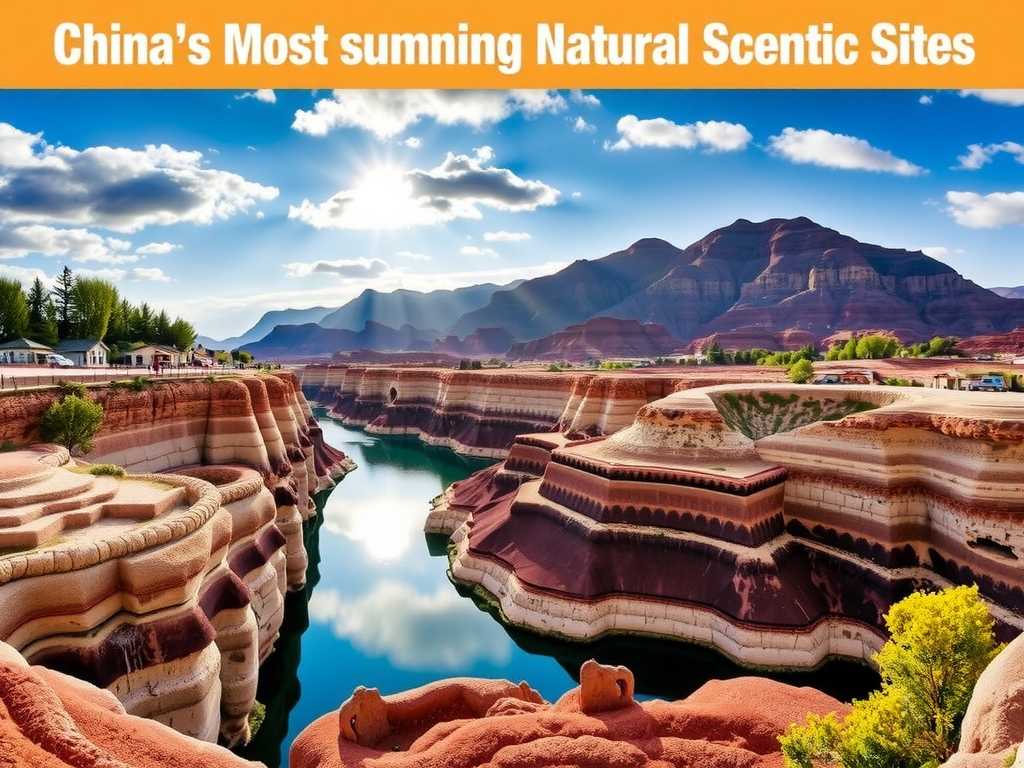
Moving to China's arid northwest, the Zhangye Danxia Landform Geological Park in Gansu province looks like a canvas painted by nature. These mountains are striped with vibrant layers of red, yellow, green, and blue, a result of mineral deposits and sandstone being compressed and oxidized over 24 million years. The best time to visit is at sunrise or sunset when the low-angle light intensifies the colors, creating a truly fiery landscape. For the best photographs, head to the viewing platforms at the fourth stop within the park.
In stark contrast, Jiuzhaigou Valley in Sichuan province is a world of crystalline blues and greens. This UNESCO World Heritage site is a system of tiered waterfalls, multi-colored lakes, and snow-capped peaks. The water, filtered through limestone, is so clear and mineral-rich that it reflects an astonishing spectrum of turquoise and jade hues. Key sights include Five-Flower Lake, Pearl Shoal Waterfall, and Long Lake. Conservation efforts are strict here to preserve the fragile ecosystem, so visitors must follow designated boardwalks.
The Majesty of Tibet's High-Altitude Wonders
The Tibetan Plateau, often called the "Roof of the World," offers landscapes of profound scale and spirituality. Mount Everest Base Camp in Tibet provides a more accessible northern approach to viewing the world's highest peak compared to the Nepal side. The view from Rongbuk Monastery is unparalleled. Remember to acclimatize properly in Lhasa or Shigatse before ascending to prevent altitude sickness.
Equally mesmerizing is Namtso Lake, one of the highest saltwater lakes on Earth. Its sapphire-blue waters meet a shoreline of white crystallized salt, with the Nyenchen Tanglha mountain range in the background. The sheer silence and scale here are humbling. For a truly immersive experience, consider visiting Yamdrok Lake, another sacred turquoise lake, on a road trip from Lhasa.
The Otherworldly Deserts and Grasslands
The Gobi Desert near Dunhuang showcases the power of wind and time. Here, you can climb the singing sand dunes of Mingsha Shan and witness the crescent-shaped oasis of Yueyaquan, a lake that has persisted for thousands of years despite the surrounding desert. A camel trek at sunset is a timeless experience.
For a complete change of scenery, the grasslands of Inner Mongolia offer boundless horizons. The Hulunbuir Grassland is particularly famous for its lush, rolling hills, grazing herds, and traditional Mongolian yurts. Visiting during the Naadam Festival in summer allows you to experience local culture through horse racing, wrestling, and archery.
What is the best time of year to visit these natural sites in China? Spring (April-May) and Autumn (September-October) are generally ideal for most regions, offering pleasant temperatures and clear skies. Summer can be rainy in the south (Guilin, Zhangjiajie) and crowded. Tibet is best visited from May to early October. Winter offers stunning snowy scenes in Jiuzhaigou and Zhangjiajie, though some areas may be less accessible.
How can I travel responsibly in these fragile ecosystems? Always stay on marked paths and boardwalks, carry out all your trash, and avoid touching or disturbing wildlife and water bodies. Use refillable water bottles. Respect local customs, especially in Tibetan areas where lakes and mountains are considered sacred. Choosing accredited tour operators committed to sustainable practices makes a significant difference.
Are these destinations suitable for family travel or travelers with limited mobility? Destinations like Guilin (river cruises) and parts of Zhangye Danxia (with shuttle buses and viewing platforms) are quite accessible. Zhangjiajie and Jiuzhaigou involve considerable walking and stairs, though shuttle buses connect major sights. The high altitude of Tibet requires careful health consideration. It's crucial to research each location's specific infrastructure and consult with travel providers about accessibility needs before booking.
China's most stunning natural sites offer more than just photo opportunities; they provide a direct connection to the earth's artistic and geological history. From the poetic riverscapes of Guilin to the celestial lakes of Tibet, each destination tells a unique story of time and nature's force. By planning thoughtfully and traveling respectfully, you can witness these wonders in a way that is both deeply personal and sustainable, leaving you with memories that resonate long after the journey ends.

发表评论