 admin
admin China’s Natural Scenic Attractions: Explore the Ultimate Guide to Breathtaking Landscapes
Planning a trip to China but overwhelmed by its sheer size and countless options? You’re not alone. Many travelers dream of witnessing China’s legendary natural beauty but struggle to navigate where to go, how to plan, and what truly lives up to the hype. This guide cuts through the confusion, offering a curated journey through China’s most spectacular natural scenic attractions, complete with practical insights to transform your travel dreams into reality.
Why China’s Natural Landscapes Are Unmissable

China’s geography is a masterpiece of dramatic contrasts. From the towering Himalayan peaks in the west to the serene karst rivers in the south, and from the vast deserts in the north to the lush rainforests in the south, the diversity is staggering. According to a report by the China National Tourism Administration, over 60% of international visitors cite natural scenery as their primary motivation for visiting. This isn’t just about sightseeing; it’s about experiencing landscapes that have inspired poets and painters for millennia and that continue to define the country’s natural heritage.
Top Tier Natural Scenic Attractions You Must Explore
To truly explore China’s natural scenic attractions, we’ve categorized them by their defining geological and ecological characteristics. This structure helps you choose based on your personal interests, whether it’s hiking, photography, or cultural immersion.
The Majesty of Mountains and Gorges
China’s mountainous regions offer some of the world’s most iconic vistas.
- Zhangjiajie National Forest Park: Often called the “Avatar Mountains,” these towering sandstone pillars shrouded in mist seem from another planet. The Zhangjiajie Grand Canyon Glass Bridge offers a thrilling perspective. As geologist Dr. Li Wei notes, “This quartz-sandstone formation is a unique geological textbook, formed over 300 million years of erosion.”
- The Yellow Mountains (Huangshan): The classic Chinese mountain landscape of granite peaks, twisted pine trees, and seas of cloud. It’s a UNESCO site and a pilgrimage for photographers, especially at sunrise.
- The Three Gorges of the Yangtze River: A cruise through Qutang, Wu, and Xiling Gorges reveals sheer cliffs, historical sites, and the monumental Three Gorges Dam. It’s a journey through both natural grandeur and human engineering.
The Serenity of Water and Karst Scenery
Water has sculpted some of China’s most ethereal landscapes.
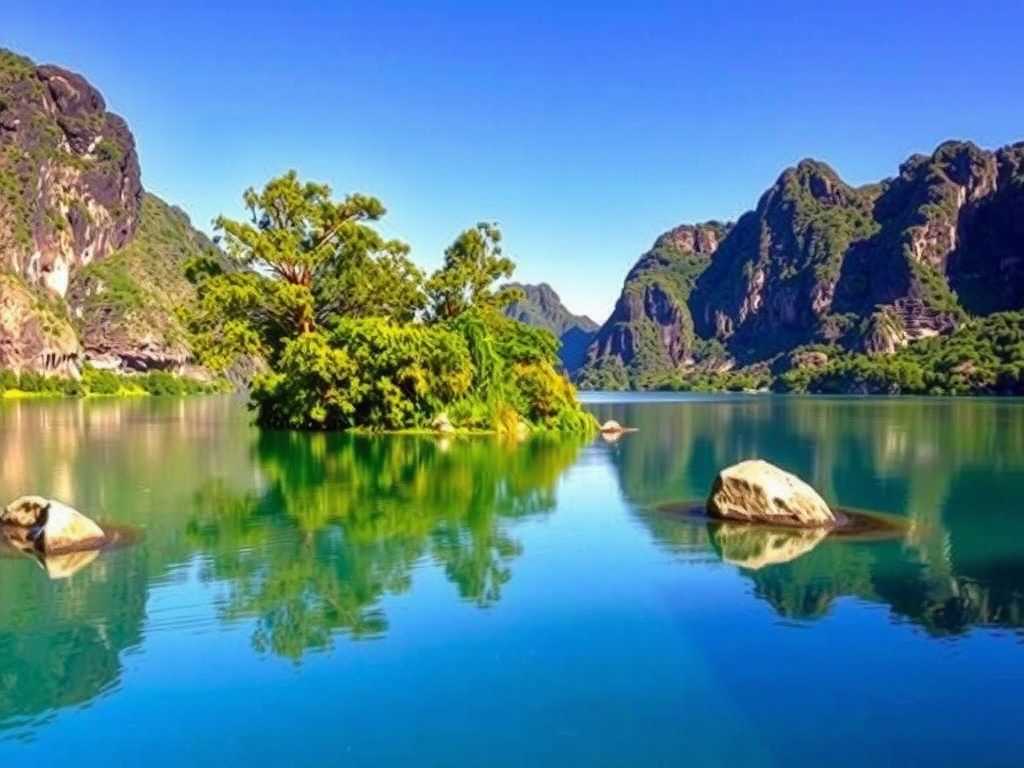
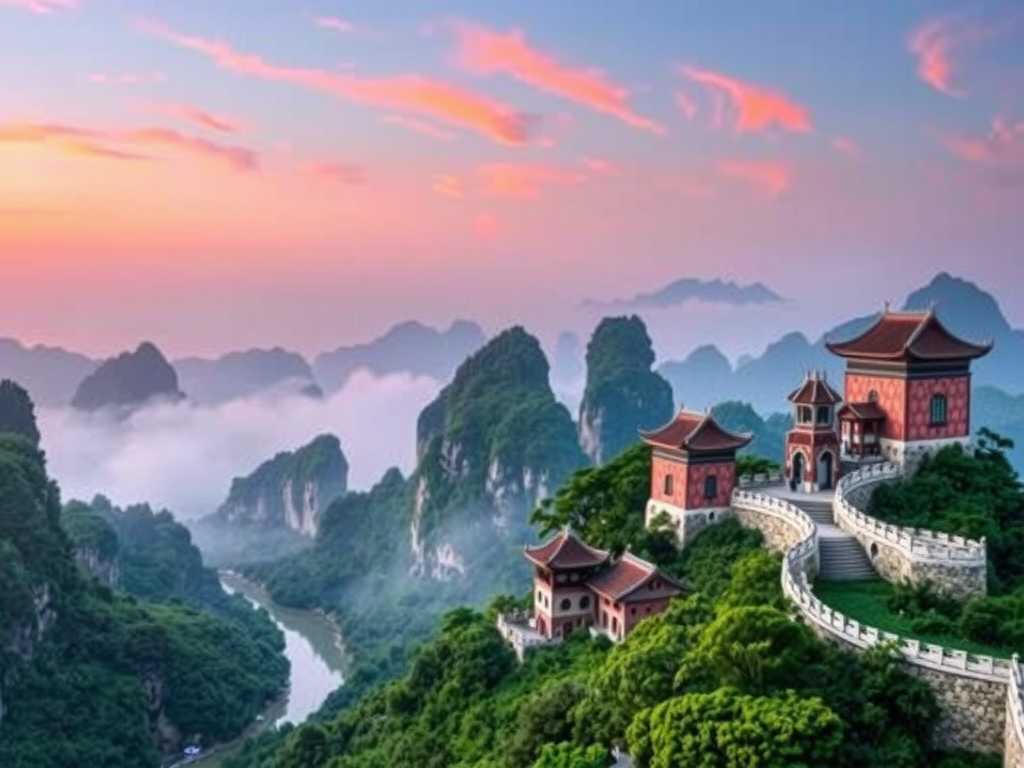
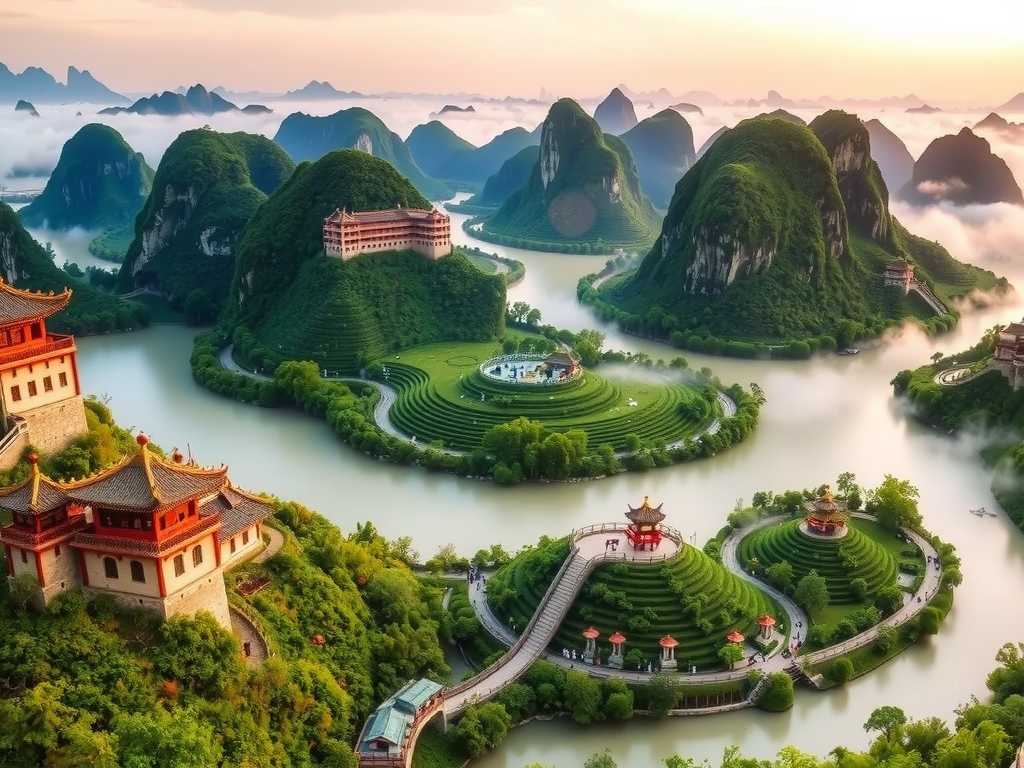
- Li River & Yangshuo: The quintessential karst landscape scenery features limestone peaks rising from emerald-green rivers. A bamboo raft cruise from Guilin to Yangshuo is an unforgettable, peaceful experience.
- Jiuzhaigou Valley: A fairy-tale world of multi-colored lakes, cascading waterfalls, and snow-capped peaks. The crystal-clear, turquoise waters are a result of high mineral content and are protected as a UNESCO World Heritage site.
- West Lake, Hangzhou: A masterpiece of designed nature, where lake, gardens, pagodas, and hills blend seamlessly. It exemplifies the traditional Chinese philosophy of harmony between humans and nature.
The Drama of Deserts and Grasslands
For vast, open skies and a sense of adventure, look north and west.
- The Gobi Desert: Experience the silence and scale of the desert at places like Dunhuang, where you can visit the singing sand dunes and the Crescent Moon Spring oasis.
- Inner Mongolia Grasslands: The Hulunbuir and Xilingol grasslands offer a glimpse into nomadic culture. Visiting during the Naadam Festival allows you to experience horseback riding, wrestling, and boundless green horizons.
The Unique Beauty of Otherworldly Formations
Some landscapes defy easy categorization.
- The Stone Forest (Shilin) in Yunnan: A vast maze of grey limestone pillars that resemble a petrified forest. It’s a fascinating geological wonder destination created by centuries of water erosion.
- Danxia Landform in Zhangye: These mountains look like they’ve been painted with streaks of red, orange, and yellow. The Rainbow Mountains are a photographer’s dream, best viewed at low-angle sunlight.
Practical Tips for Exploring China’s Natural Wonders
Knowing where to go is half the battle. Here’s how to plan effectively.
- Best Time to Visit: Spring (April-May) and Autumn (September-October) generally offer the most pleasant weather nationwide. Avoid national holidays like Golden Week in October due to massive crowds.
- Travel and Permits: For remote areas like Tibet or parts of Sichuan bordering protected zones, foreign travelers often need special travel permits arranged through registered tour operators. Always check requirements well in advance.
- Sustainable Travel Practices: The fragility of these ecosystems demands respect. Stay on marked trails, carry out all trash, use refillable water bottles, and support local eco-friendly tour companies. Your actions help preserve these natural scenic attractions for future generations.
How can I avoid huge crowds at popular sites like Zhangjiajie or Jiuzhaigou? Visit during shoulder seasons (late April-early June or September-early November), avoid Chinese public holidays, and arrive at park openings right at 7 AM. Consider exploring lesser-known sections of the parks, as many tours stick to the same main routes.
What is the best way to travel between these natural attractions? China’s high-speed rail network is efficient for connecting major cities near scenic areas. For remote locations, domestic flights are time-savers. Once near a park, hiring a private car with a driver or joining a small local tour offers the most flexibility.
Are these natural sites suitable for families with children or older travelers? Absolutely, but choose wisely. Sites like the Li River cruise or the paved paths around West Lake are very accessible. For mountainous areas, check if cable cars are available (like in Huangshan or Zhangjiajie) to reduce strenuous hiking. Always prioritize comfort and acclimatize to altitude in places like Jiuzhaigou.
From the dreamlike pillars of Zhangjiajie to the vibrant stripes of the Zhangye Danxia, China’s natural scenic attractions offer a journey through Earth’s most artistic creations. This diversity provides not just a visual feast but a profound connection to the planet’s geological history and ecological richness. With thoughtful planning that considers timing, permits, and sustainable practices, your exploration will be as smooth as it is spectacular. Start mapping your itinerary to these unforgettable landscapes—your adventure into the heart of China’s natural beauty awaits.

发表评论