 admin
admin Scenic China: Best Scenic Spots to Visit
Planning a trip to China can feel overwhelming. With a landmass so vast and a history spanning millennia, how do you possibly choose where to go? You want to see the iconic, must-visit sights, but also yearn for authentic, breathtaking experiences beyond the crowded tourist trails. This guide is designed to solve that exact problem. We’ll navigate through Scenic China, highlighting the absolute best scenic spots that cater to diverse interests—from ancient wonders and cultural heartlands to surreal natural landscapes. Our goal is to transform your planning from a daunting task into an exciting journey, ensuring you witness the very essence of this magnificent country.
Iconic Landmarks: China's Must-See Wonders
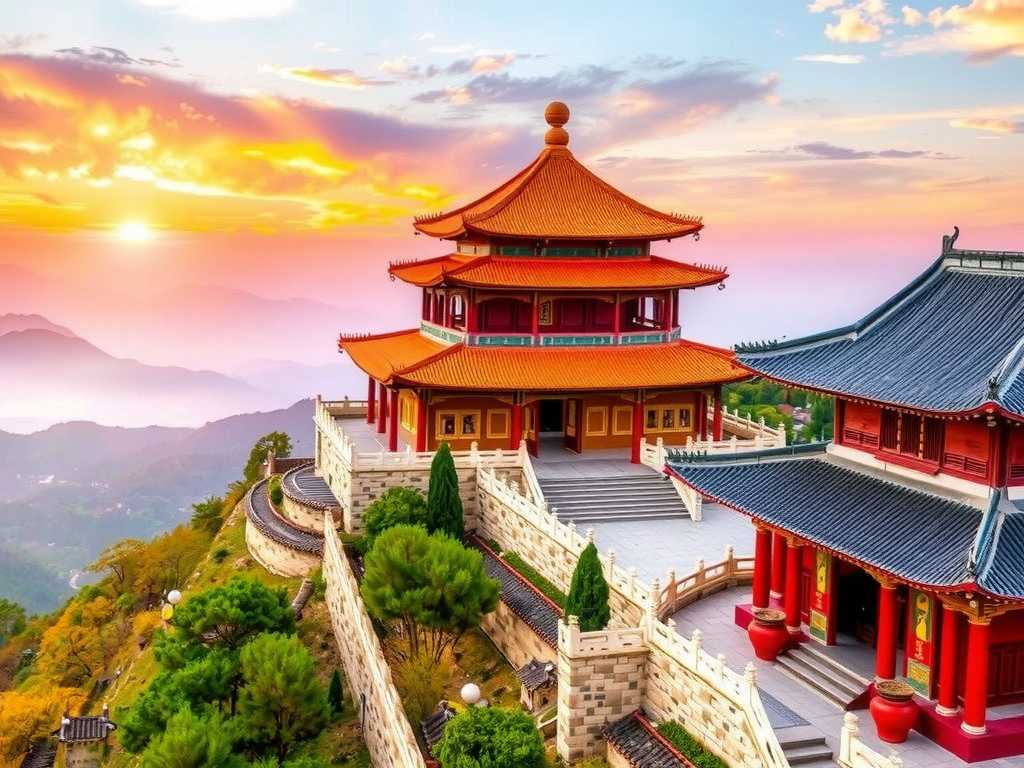
No visit to Scenic China is complete without experiencing its world-famous symbols. These sites offer unparalleled historical depth and visual grandeur.
The Great Wall of China Stretching over 13,000 miles, the Great Wall is more than a wall; it's a testament to human perseverance. While the Badaling section is most famous, consider Mutianyu for its stunning forested views and cable car access, or Jinshanling for a more rugged, photogenic hike. Early mornings are key to avoiding the largest crowds. As historian Dr. William Lindesay notes, "Walking the Wall is a physical dialogue with history; each step traces the ambition of empires."
The Terracotta Army, Xi'an Discovered in 1974, this subterranean army of over 8,000 life-sized soldiers, horses, and chariots guards the tomb of China's first emperor, Qin Shi Huang. Standing before the pits in Xi'an, the scale and individual detail of each figure are humbling. It’s recommended to hire a local guide at the site to fully appreciate the archaeological significance and the stories behind the different ranks and facial expressions.
The Forbidden City & Tiananmen Square, Beijing Once the exclusive domain of Ming and Qing emperors, the Forbidden City is the world's largest palace complex. Spend a half-day exploring its series of halls, courtyards, and gates, each leading deeper into the heart of imperial power. Combine this with a visit to the vast Tiananmen Square to grasp the scale of China's historical and political narrative.
Natural Masterpieces: Where Landscape Becomes Art
China's geographical diversity creates some of the planet's most dramatic scenery. These destinations prioritize the raw beauty of the natural world.
Zhangjiajie National Forest Park The inspiration for the floating Hallelujah Mountains in Avatar, Zhangjiajie's landscape defies belief. Thousands of quartz-sandstone pillars rise like stone giants from a sea of mist and lush greenery. Take the Bailong Elevator (the world's tallest outdoor lift) for a panoramic view, and walk the glass-bottomed skywalks for a thrilling perspective. According to a recent report by National Geographic Traveler, it ranks among the top ten geological wonders in Asia.
Jiuzhaigou Valley Located in Sichuan province, Jiuzhaigou is a fairy-tale world of multi-colored lakes, cascading waterfalls, and snow-capped peaks. The water is so clear and vividly blue-green due to high mineral content and ancient calcified deposits. Autumn is the prime time to visit when the surrounding forests explode in fiery hues of red, orange, and gold, reflecting perfectly in the tranquil lakes.
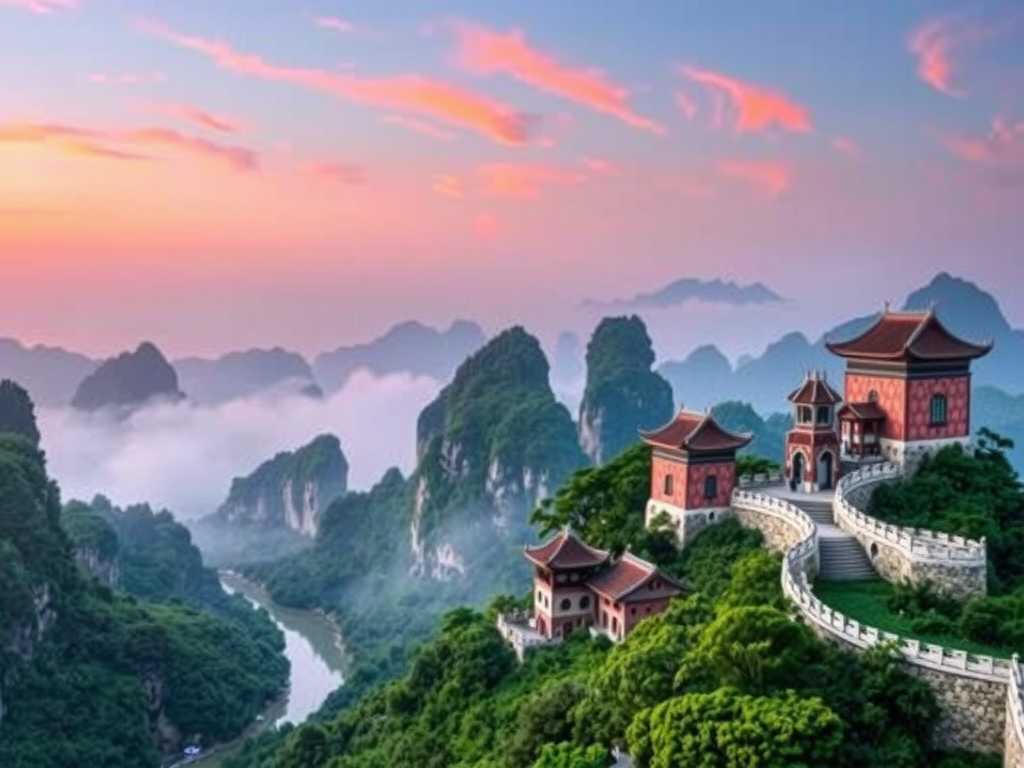
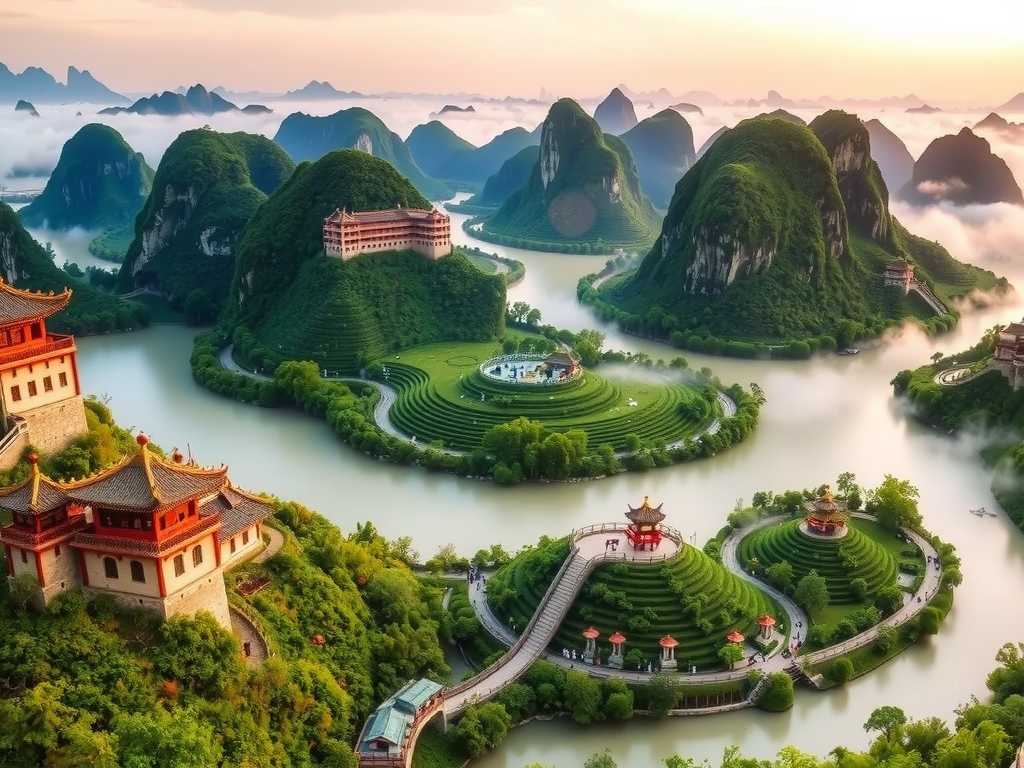
The Li River & Yangshuo The classic Chinese painting comes to life along the Li River. A cruise from Guilin to Yangshuo offers 50 miles of serene beauty, with karst limestone peaks draped in greenery rising from the riverbanks and water buffalo wading in the shallows. Upon arrival in Yangshuo, rent a bicycle and explore the rural pathways through rice paddies and small villages for an intimate experience of this timeless scenery.
Cultural & Scenic Fusion: Landscapes Steeped in History
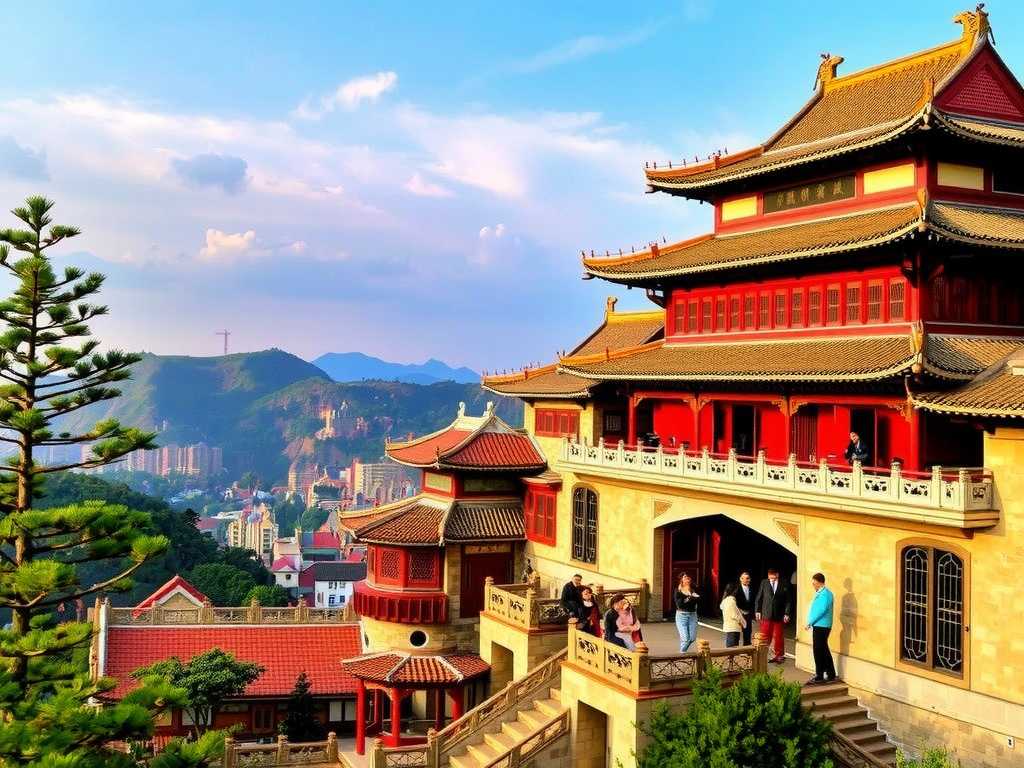
Some places in China offer a perfect blend of stunning visuals and profound cultural heritage.
The Yellow Mountains (Huangshan) More than just mountains, Huangshan is a pinnacle of Chinese artistic and spiritual inspiration. Famous for its "four wonders"—grotesque granite peaks, hot springs, seas of cloud, and uniquely shaped pine trees—hiking here feels like moving through a traditional ink wash painting. Stay overnight at a summit hotel to witness a breathtaking sunrise over the cloud ocean.
The Potala Palace, Lhasa Towering over the city of Lhasa, the Potala Palace is not only an architectural marvel but the spiritual heart of Tibetan Buddhism. Its white and red walls, built against the backdrop of stark Himalayan peaks, create a scene of awe-inspiring power and serenity. The interior is a labyrinth of chapels, tombs, and prayer halls filled with ancient scriptures and artifacts. Visiting requires acclimatization to the high altitude and respect for local customs.
West Lake, Hangzhou Celebrated by poets and artists for centuries, West Lake exemplifies the classical Chinese garden aesthetic of harmonious beauty. Stroll or cycle around the lake, crossing ancient causeways, visiting pagodas, and viewing carefully designed vistas that change with the seasons. It’s a masterpiece of landscape design that integrates human artistry seamlessly with nature.
Beyond the Beaten Path: Hidden Gems of Scenic China
For travelers seeking solitude and unique vistas, these lesser-known spots deliver unforgettable moments.
Kanas Lake, Xinjiang In the far north of Xinjiang, Kanas Lake is known as the "Oriental Switzerland" of China. Its turquoise waters, surrounded by dense Siberian taiga forests and the snow-capped Altai Mountains, are home to local Tuvan communities. Legends of a giant lake monster add to its mystique. The area is perfect for multi-day hiking and experiencing distinct ethnic culture.
Xiapu Mudflats, Fujian A paradise for photographers, Xiapu is not about mountains but about the interplay of light, sea, and land. During low tide, the mudflats create mesmerizing patterns, while bamboo poles used for seaweed farming form geometric forests. Sunrise and sunset here paint the sky and reflections in stunning colors, offering a completely different, minimalist side of China's coastal beauty.
Frequently Asked Questions
What is the best time of year to visit for scenery? Spring (April-May) and Autumn (September-October) are generally ideal across most of Scenic China. These seasons offer mild temperatures, less rainfall, and, in autumn, spectacular foliage. Summer can be hot and crowded, while winter offers stark beauty in places like the Great Wall or Harbin's ice festival.
How can I manage crowds at popular scenic spots? Always start your day as early as possible, ideally arriving at opening time. Book tickets online in advance wherever available. Consider visiting popular sites on weekdays rather than weekends or Chinese public holidays. For places like the Great Wall, choosing a less-visited section (like Jinshanling over Badaling) makes a significant difference.
Are these scenic spots accessible for families or older travelers? Many top sites have improved accessibility with cable cars, shuttle buses, and paved pathways (e.g., Zhangjiajie, Jiuzhaigou, parts of the Great Wall). However, some areas involve significant walking, stairs, or uneven terrain. It's crucial to research each location specifically, choose the most suitable routes, and allow plenty of time to explore at a comfortable pace.
From the imperial grandeur of Beijing to the ethereal peaks of Zhangjiajie, the serene waters of Jiuzhaigou to the cultural majesty of Lhasa, China presents a tapestry of scenic wonders that is virtually unmatched. By balancing iconic landmarks with natural masterpieces and cultural gems, your journey will move beyond simple sightseeing to become a deep engagement with the soul of the landscape. Careful planning around timing and crowd management will ensure your experience is as smooth as it is spectacular, leaving you with memories that define a lifetime of travel.

发表评论