 admin
admin China’s Natural Scenic Sites: Must-Visit Destinations for Every Traveler
Planning a trip to China can feel overwhelming. With a landmass so vast and diverse, how do you choose where to go beyond the famous cities? You want to experience breathtaking natural beauty, authentic landscapes, and unforgettable scenery, but sifting through endless information is a challenge. This guide cuts through the noise, directly addressing that pain point by curating the most spectacular and must-visit natural scenic sites across China. We provide clear, actionable insights to help you plan an awe-inspiring journey into the heart of this country’s incredible geography.
From the iconic karst mountains to the remote Tibetan plateaus, China’s natural scenic sites offer a staggering variety of experiences. These destinations are not just visually stunning; they are places of profound cultural and ecological significance. Whether you seek serene lakes, towering peaks, or surreal geological formations, understanding what each region offers is the first step to a transformative trip. Let’s explore the essential natural wonders that should be on your itinerary.
Discover the Diverse Beauty of China’s Landscapes
China’s terrain is a dramatic tapestry woven over millennia. To truly appreciate it, we can categorize the must-visit natural scenic sites into several distinct geographical marvels, each with its own unique character and appeal.
The Ethereal Karst Landscapes of Guilin and Zhangjiajie
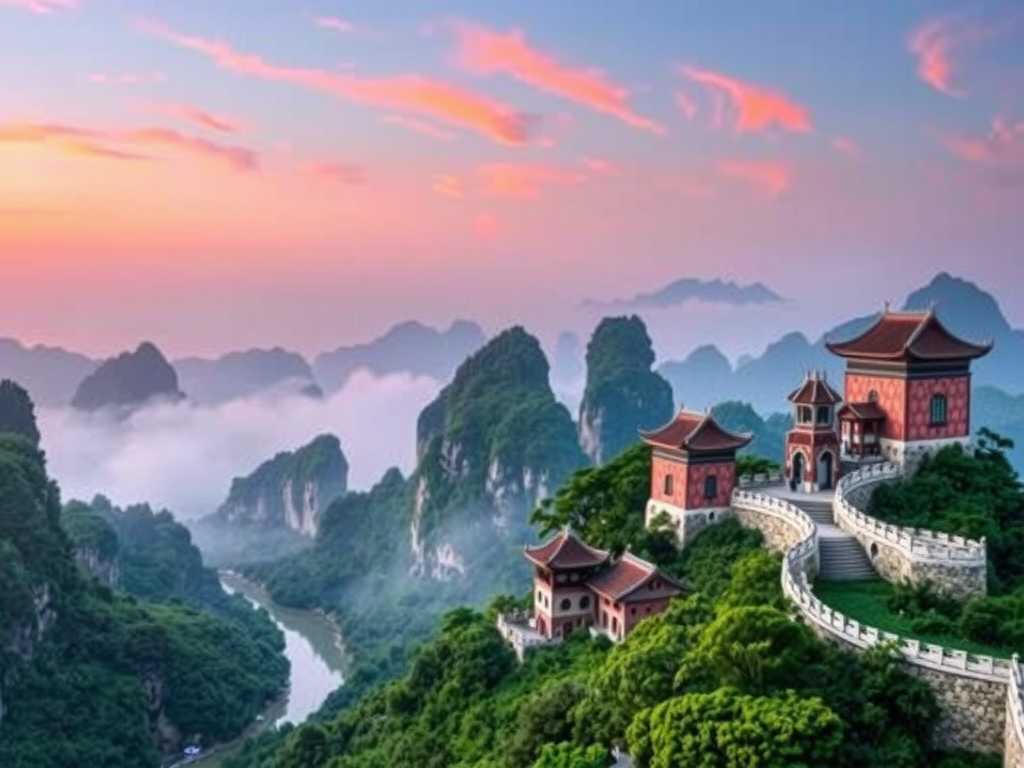
When one thinks of China’s classic natural beauty, the karst topography of South China immediately comes to mind. This region is home to some of the world’s most photographed and revered natural scenic sites.
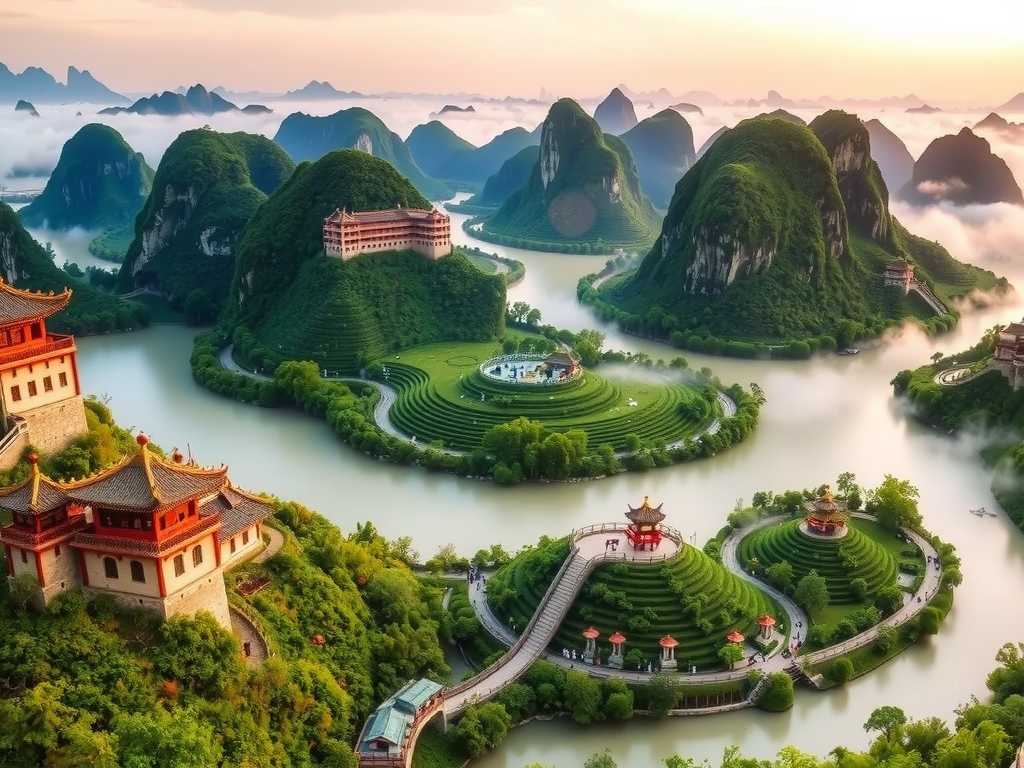
The Li River in Guilin, Guangxi, is the quintessential example. A cruise from Guilin to Yangshuo is a journey through a living Chinese painting. The river winds silently past sheer limestone peaks shrouded in mist, with water buffalo grazing along the banks and fishermen using traditional cormorant birds. It’s a scene of timeless, poetic beauty. As noted by geologist Dr. Li Wen in a 2022 report on Asian karst systems, “The Guilin karst represents a mature stage of tower karst formation, offering an unparalleled aesthetic landscape that has inspired art and literature for centuries.”
North of Guilin, Zhangjiajie National Forest Park in Hunan province presents a more dramatic and vertical world. Here, over 3,000 quartz-sandstone pillars rise hundreds of meters into the air, often piercing through layers of cloud. These towering formations, which famously inspired the floating “Hallelujah Mountains” in the film Avatar, are best viewed from the park’s glass-bottomed skywalks or the Bailong Elevator built into the side of a cliff. Hiking the trails amidst these pillars is a humbling experience, showcasing nature’s monumental architecture.
The Majestic Peaks and Spiritual Sanctuaries
Mountains hold a sacred place in Chinese culture, and several ranges are not just natural scenic sites but also profound spiritual destinations.
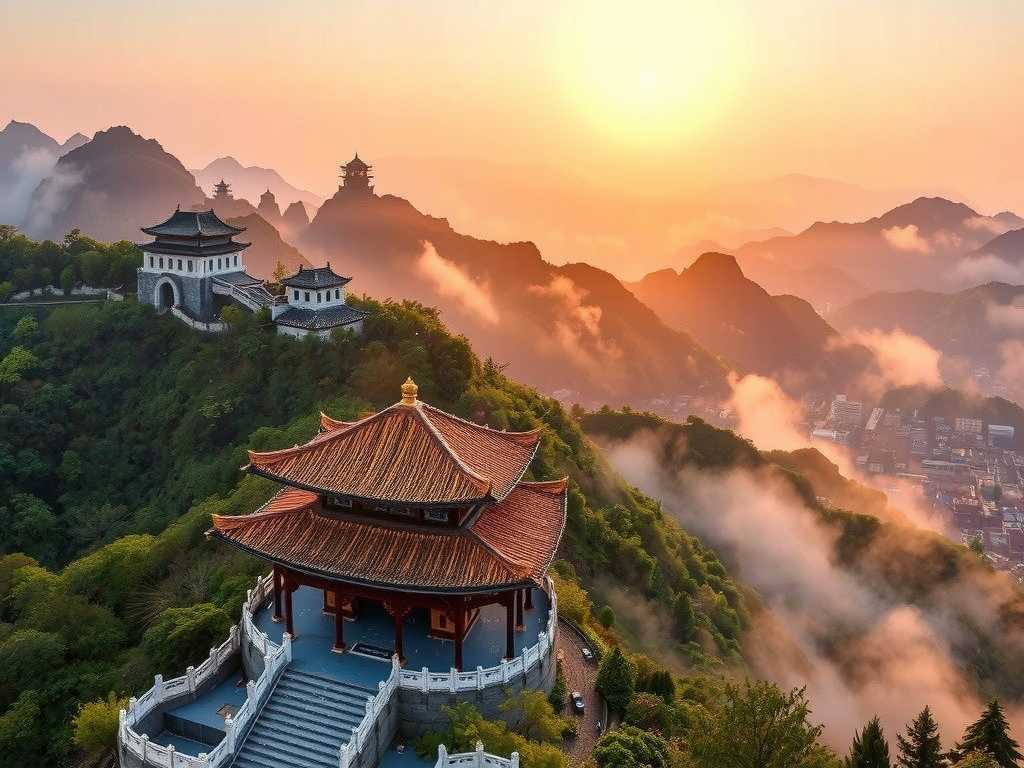
Mount Huangshan (the Yellow Mountains) in Anhui is arguably the most celebrated mountainscape in Chinese art. Its beauty is defined by four key elements: peculiarly shaped granite peaks, ancient, gnarled pine trees, seas of cloud that envelop the ridges, and hot springs. A predawn hike to witness the sunrise from a summit like Bright Top Peak is a ritual for visitors, offering a moment of sublime tranquility. The experience is both a physical challenge and a visual feast, with every turn revealing a new, misty vista worthy of an ink-wash painting.
In the far west, the Himalayas present a different scale of majesty. Mount Everest Base Camp in Tibet offers an accessible (relative to climbing) way to stand in the shadow of the world’s highest peak. The journey there across the Tibetan Plateau, past turquoise lakes like Yamdrok and ancient monasteries, is as impactful as the destination itself. The sheer altitude and raw, powerful landscape make it one of the most awe-inspiring natural scenic sites on the planet.
The Colorful Pools and Alpine Valleys of Jiuzhaigou and Huanglong
For a spectacle of vibrant color and pristine water, look to the valleys of Sichuan province. These sites are masterpieces of hydrological beauty.
Jiuzhaigou Valley, a UNESCO World Heritage Site, is a fairy-tale world of multi-level waterfalls, crystal-clear lakes (known locally as “Haizi”), and snow-capped peaks. The water’s stunning shades of turquoise, blue, and green are caused by high mineral content and aquatic plant life. Lakes like Five-Flower Lake and Mirror Lake perfectly reflect the surrounding forests, creating dreamlike symmetry. The area is also a biodiversity hotspot, home to endangered species like the giant panda and Sichuan golden snub-nosed monkey.
A short distance away, Huanglong (Yellow Dragon) Valley is famous for its extensive travertine formations. Thousands of calcified pools, cascading down a mountain valley like golden dragon scales, are filled with brilliantly blue water. Walking the boardwalks that snake through this geological wonder feels like traversing an alien, yet beautifully serene, landscape.
The Otherworldly Deserts and Danxia Landforms
China’s natural scenic sites also include vast, arid landscapes and uniquely colorful geology that seem from another planet.
The Gobi Desert, particularly around Dunhuang in Gansu province, offers the iconic sight of the Singing Sand Dunes and Crescent Moon Spring. Here, a delicate, spring-fed oasis sits miraculously at the base of a massive, roaring dune—a stunning contrast of life and arid expanse. A camel ride at sunset across the dunes is a timeless, peaceful experience.
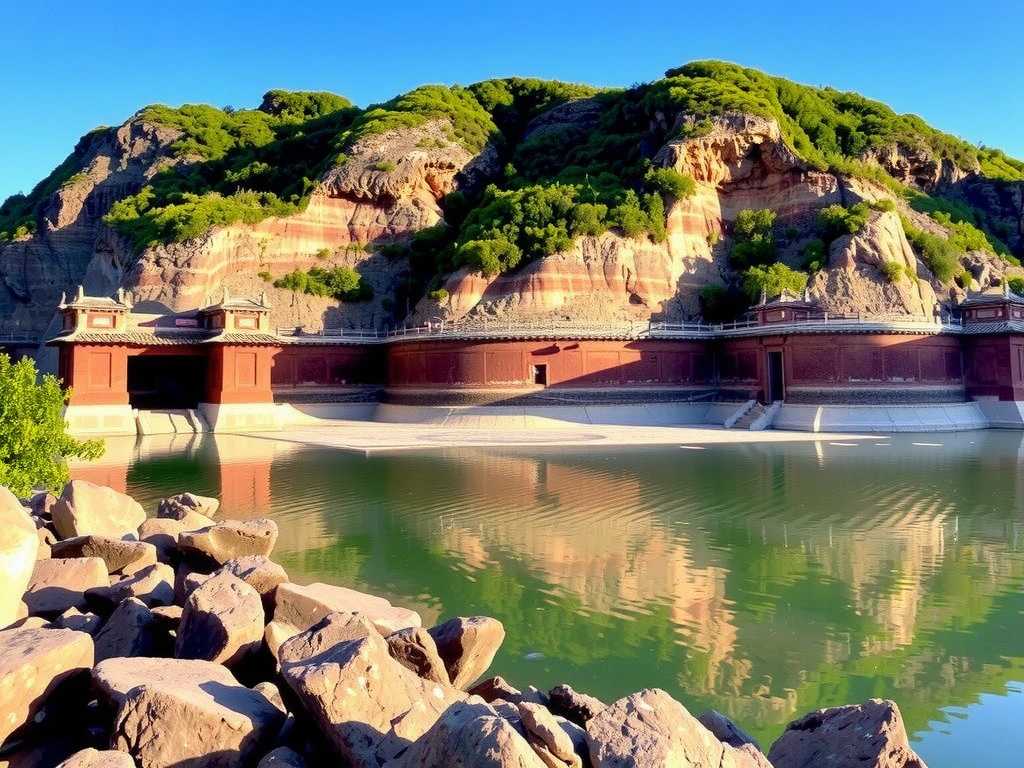
Meanwhile, the Zhangye Danxia National Geological Park showcases the “Rainbow Mountains.” These are not traditional peaks but rolling hills striped in vivid reds, yellows, oranges, and greens. This rainbow-like effect is the result of mineral deposits and sandstone layers being exposed by tectonic uplift and erosion over 24 million years. The best time to visit is at sunrise or sunset when the low angle of the sun intensifies the colors, making the hills look as if they are on fire.
Practical Guide to Planning Your Visit
To ensure your trip to these natural scenic sites is smooth and rewarding, consider these essential tips.
- Best Times to Visit: Generally, spring (April-May) and autumn (September-October) offer the most comfortable weather and clearest skies. Summer can be rainy and crowded, while winter brings stark beauty and fewer tourists to places like Huangshan or Jiuzhaigou, though some areas may be inaccessible.
- Travel and Accessibility: Major sites like Guilin, Zhangjiajie, and Huangshan are well-connected by high-speed rail and domestic flights from cities like Beijing, Shanghai, and Chengdu. More remote locations like Jiuzhaigou or Tibet require longer bus journeys or flights to regional airports. Always check local travel requirements.
- Respectful and Sustainable Tourism: These are fragile ecosystems. Always stay on marked paths, carry out all trash, and avoid disturbing wildlife. When visiting culturally significant mountains or Tibetan areas, dress and behave modestly, asking permission before photographing locals.
Frequently Asked Questions
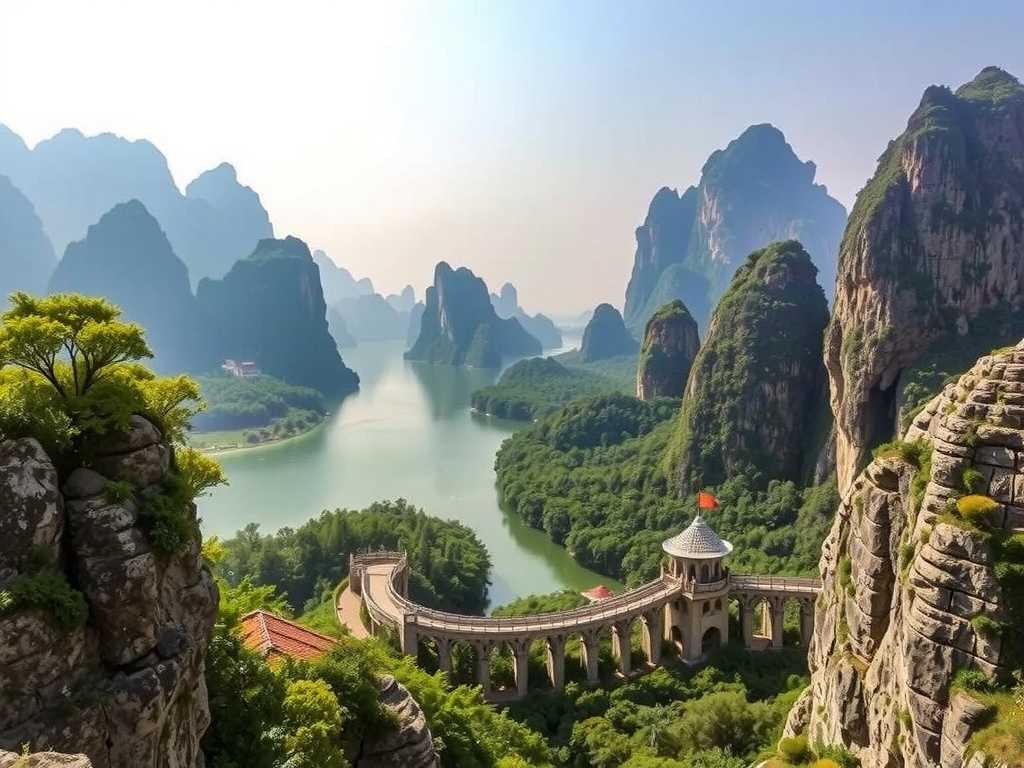
What is the single most iconic natural scenic site in China for first-time visitors? While subjective, the Li River cruise from Guilin to Yangshuo offers the most accessible and quintessentially “Chinese” landscape, immortalized in art for generations. It perfectly encapsulates the serene, painterly beauty many travelers envision.
Are these natural destinations suitable for families with children or older travelers? Yes, but with planning. Destinations like Jiuzhaigou and the Li River cruise involve manageable walking and boardwalks. Huangshan or Everest Base Camp, however, are physically demanding due to altitude and hiking. Always assess the specific activities at each site and choose accordingly. Many parks offer cable cars to reduce strenuous climbing.
How can I avoid the large crowds at these popular sites? To experience these must-visit natural scenic sites with more tranquility, aim for the shoulder seasons (late spring or early autumn), visit on weekdays, and enter the parks as soon as they open. For places like Zhangjiajie or Jiuzhaigou, consider staying inside or near the park gates for early access, and explore lesser-known trails rather than the main headline viewpoints.
China’s natural scenic sites are far more than a checklist; they are invitations to witness the planet’s artistic diversity. From the watercolor dreams of Guilin to the rainbow ridges of Zhangye, each destination tells a unique geological and cultural story. By venturing beyond the urban centers, you connect with the ancient, powerful, and beautiful forces that have shaped this land. Start planning your journey with this guide in hand, and prepare to be humbled by landscapes that will redefine your understanding of natural wonder. Your adventure into the heart of China’s breathtaking scenery awaits.

发表评论