 admin
admin Discover China: Top Scenic Wonders Awaits
Planning a trip to China can feel overwhelming. With a landmass rivaling a continent and thousands of years of history, how do you even begin to choose where to go? You want more than just a checklist of famous sites; you seek profound experiences, breathtaking landscapes, and authentic cultural immersion. The challenge is sifting through endless information to find those truly unmissable scenic wonders that promise unforgettable memories. This guide is crafted to solve that exact problem, leading you to the heart of China’s most spectacular natural and cultural treasures.
Your journey to discover China starts here. We’ve curated a selection of iconic destinations that showcase the incredible diversity and beauty of this ancient land, from jagged mountain peaks and serene rivers to ancient engineering marvels.
The Great Wall: A Serpentine Marvel Across Mountains
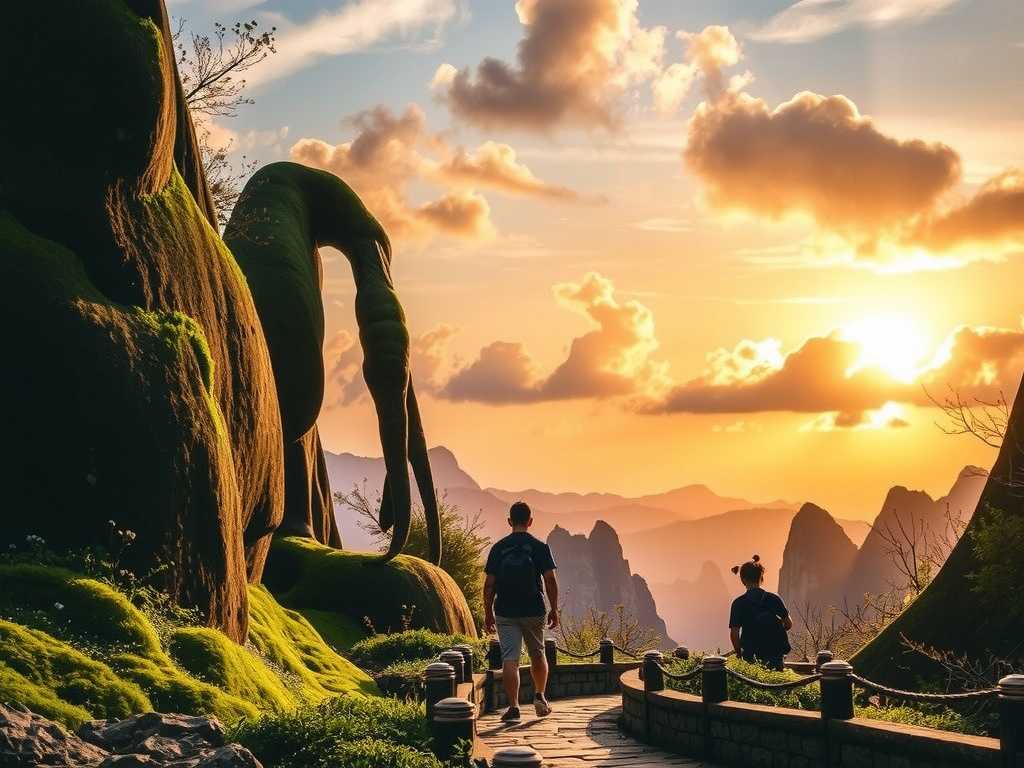
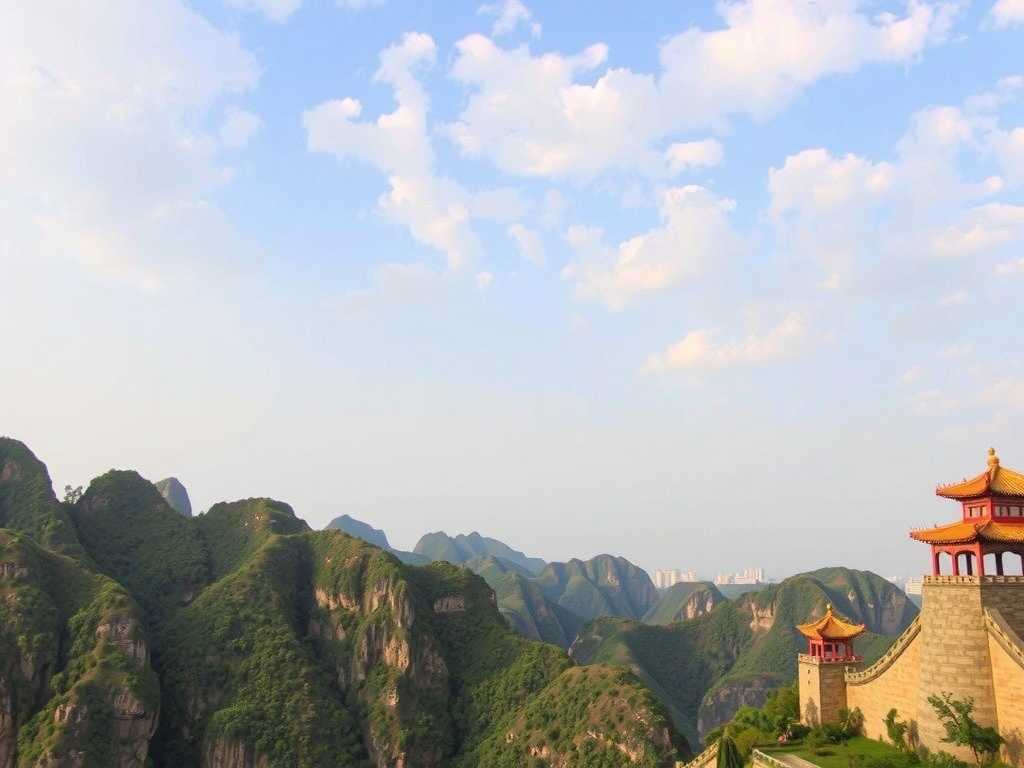
No visit to China is complete without witnessing the Great Wall. Stretching over 13,000 miles, it’s not just a wall but a symbol of perseverance. Forget the crowded sections near Beijing. For a more authentic and photogenic experience, head to Jinshanling or Simatai. Here, the wall follows the razor-backed ridges of mountains in a state of elegant decay, offering rugged hiking and stunning, crowd-free vistas. Historian Dr. Ming Chen notes, "The Great Wall's true power is felt in its remote sections, where you can literally touch history and hear the whispers of the past in the wind." Walking its ancient stones as the sun sets is a moment that truly encapsulates the grandeur of China.
The Li River & Karst Peaks: A Painting Come to Life
The landscape of Guilin and Yangshuo is the classic Chinese scroll painting made real. A Li River cruise from Guilin to Yangshuo is the quintessential way to experience this serene beauty. As your boat glides down the jade-green water, you’ll pass by countless limestone karst peaks shrouded in mist, water buffalo grazing along the banks, and fishermen using traditional cormorant birds. It’s a scene of timeless, pastoral beauty. For active travelers, renting a bicycle and riding through the countryside, past rice paddies and small villages with those dramatic peaks as a constant backdrop, is an absolute must-do. This region perfectly represents China’s harmonious and poetic natural scenery.
The Terracotta Army: An Underground Empire in Xi'an
In 1974, farmers in Shaanxi province stumbled upon one of the greatest archaeological discoveries of the 20th century: the Terracotta Army. This vast collection of life-sized, meticulously crafted soldiers, chariots, and horses was built to guard China’s First Emperor, Qin Shi Huang, in the afterlife. Standing in Pit 1, facing thousands of unique figures arranged in battle formation, is an awe-inspiring experience. Each statue has distinct facial features, hairstyles, and armor, revealing an astonishing level of craftsmanship from over 2,200 years ago. This site isn’t just a sight; it’s a direct portal into the ambition and power of ancient China, making it a cornerstone for any traveler seeking profound cultural wonders.
The Zhangjiajie National Forest: Avatar's Floating Mountains
Have you ever dreamed of visiting another planet? The Zhangjiajie National Forest Park in Hunan province is the closest thing on Earth. Its towering sandstone pillars, some over 1,000 meters high, rise dramatically from the forest floor, often wrapped in clouds. These surreal formations famously inspired the floating "Hallelujah Mountains" in the film Avatar. Explore the park via its dizzying glass-bottomed walkways clinging to cliff faces, or ride the Bailong Elevator—the world's tallest outdoor lift—for panoramic views. For the most iconic perspective, hike to the viewing platform at Yuanjiajie to see the pillars from above. It’s a testament to nature’s unparalleled artistic power.
The Forbidden City & Imperial Majesty in Beijing
Step into the heart of imperial China at the Forbidden City in Beijing. This vast palace complex, with its 980 buildings and sprawling courtyards, was the home of Chinese emperors for nearly 500 years. Walking through the Meridian Gate and across the grand squares, you follow in the footsteps of emperors and court officials. The architecture is a masterpiece of symbolism and power, with yellow glazed-tile roofs representing the emperor and intricate mythical animal statues guarding the halls. To fully appreciate its scale and history, consider a guided tour that explains the court intrigues and rituals that took place within these red walls. It remains the world’s largest and best-preserved ancient wooden structure complex.
The Yellow Mountains (Huangshan): A Sea of Clouds and Pines
The Yellow Mountains, or Huangshan, are the quintessential Chinese mountains of legend and art. Renowned for their peculiarly shaped granite peaks, hot springs, winter snowscapes, and especially the "sea of clouds" that often envelops them, they offer a different breathtaking view with every step. The hardy, twisted Huangshan pine trees growing from the rocks add to the mystical scenery. A sunrise from the summit, watching the peaks emerge like islands from a rolling white cloud ocean, is a life-list experience for many photographers and nature lovers. Hiking the trails here is challenging but immensely rewarding, connecting you with the landscape that has inspired poets and painters for centuries.
The Potala Palace: A Spiritual Beacon in Tibet
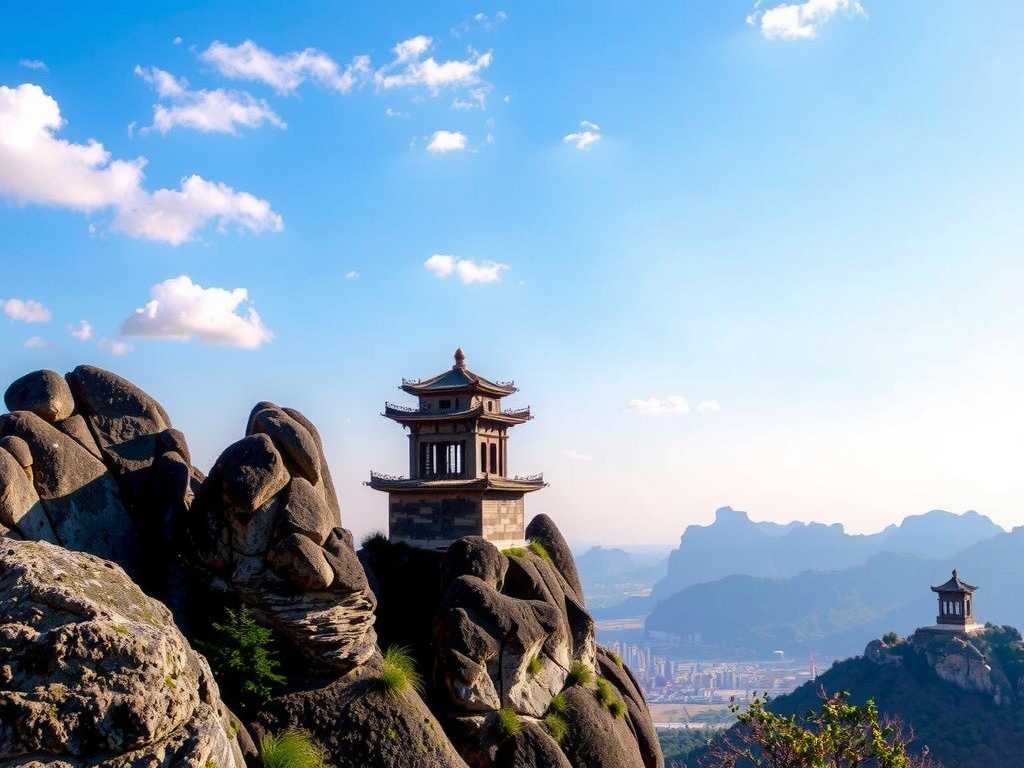
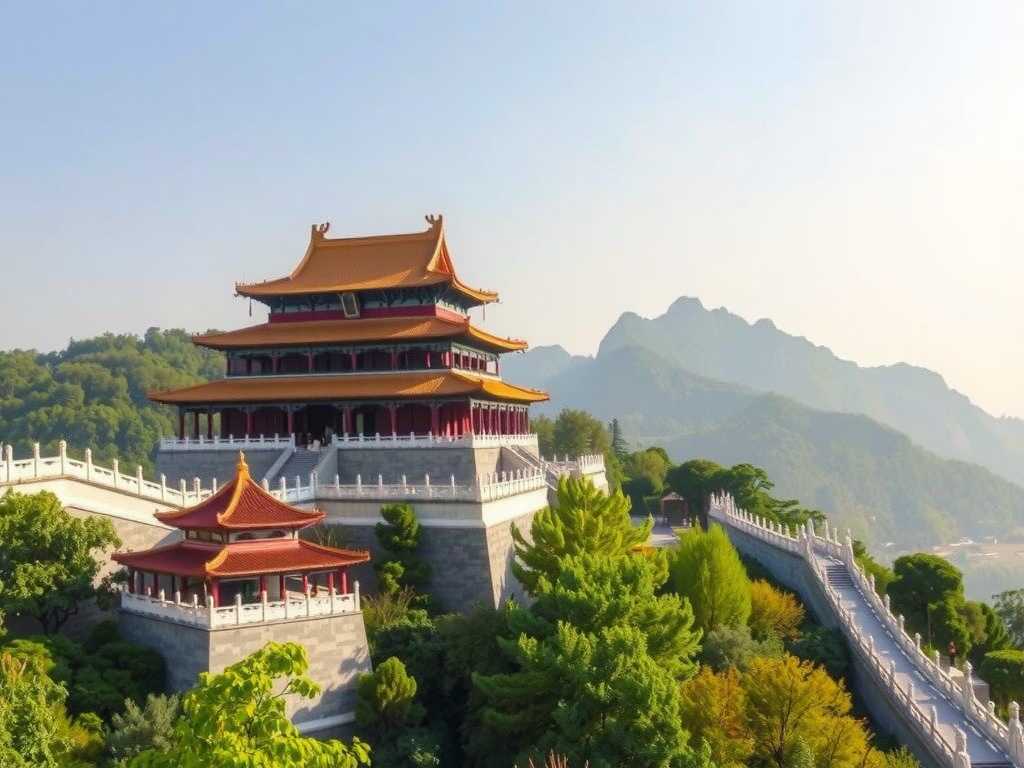
Perched high atop Red Hill in Lhasa, the Potala Palace is an architectural wonder and the spiritual heart of Tibetan Buddhism. This massive, fortress-like structure with its iconic white and red walls contains over 1,000 rooms, including sacred stupas, meditation caves, and countless priceless artifacts. The climb up the long stairway is a physical and spiritual ascent. Inside, the atmosphere is thick with devotion, as pilgrims murmur prayers and the scent of yak butter lamps fills the air. Visiting the Potala is more than sightseeing; it’s an immersion into a deeply spiritual culture and offers a perspective on China’s immense regional diversity.
How many days do I need for a good trip to China? A minimum of 10-14 days is recommended to comfortably visit two to three major regions (e.g., Beijing-Xi'an-Shanghai). For a more in-depth exploration including scenic areas like Zhangjiajie or Guilin, consider 3 weeks or more.
What is the best time of year to visit China's scenic spots? Spring (April-May) and Autumn (September-October) are generally ideal nationwide, with pleasant temperatures and clear skies. However, destinations like Harbin's Ice Festival are best in winter, and the Yellow Mountains are spectacular after a fresh snow.
Is it difficult to travel between these wonders independently? China's high-speed rail network is extensive, efficient, and connects most major cities and tourist hubs, making independent travel very feasible. For remote natural parks, joining a local tour or hiring a private driver is often the most convenient option.
China’s scenic wonders offer a journey through time, art, and nature on an epic scale. From the man-made majesty of the Great Wall to the ethereal beauty of Zhangjiajie’s peaks, each destination provides a unique window into the soul of this vast country. These landscapes and monuments are not just places to see, but experiences that stir the imagination and create lasting impressions. With careful planning focused on these iconic sites, your trip will move beyond simple tourism to become a true discovery of some of the most awe-inspiring wonders on the planet.
发表评论